

DESTINATION GUIDES
Best Time to Visit the Dominican Republic: Month-by-Month Guide
Month-by-month guide to visiting the Dominican Republic. Weather, prices, events and whale watching season. Plan your DR holiday with confidence.
The Short Answer
The Dominican Republic is a year-round destination, but the sweet spot for most UK travellers is December to April, dry skies, warm temperatures hovering around 28-30°C, and calm seas along every coast. If you are after lower prices and fewer crowds, the shoulder months of May, early June, and November offer excellent value with perfectly swimmable weather.
That said, the "best" time depends entirely on what you want from your trip. Whale watching, kiteboarding, carnival, and hiking each have their own ideal windows. This month-by-month guide breaks it all down so you can book with confidence. For a broader look at what to see and do, read our Dominican Republic Travel Guide.
Month-by-Month Calendar
January
Weather: Dry and pleasant. Daytime highs of 28-29°C, cooler evenings around 20°C. Trade winds keep the north coast refreshing.
Crowds & Prices: Peak season. Hotels in Punta Cana and Samaná fill up quickly, and prices reflect demand. Book well ahead.
Highlights: Humpback whale season begins in Samaná Bay, thousands of whales migrate here to breed from mid-January through March. New Year festivities carry into the first week.
February
Weather: Similar to January, dry, sunny, and warm. The driest month in many coastal areas.
Crowds & Prices: Still peak season. Valentine's week pushes prices higher at romantic resorts.
Highlights: Dominican Carnival runs throughout February, with the grandest celebrations in La Vega and Santiago. Expect colourful costumes, diablo cojuelo masked dancers, and street parades every Sunday. Whale watching in Samaná is in full swing. If culture and wildlife interest you, our Cultural Gateway itinerary covers both.
March
Weather: Warm and dry. Temperatures nudge up to 29-30°C. The last reliable month of low rainfall before the spring transition.
Crowds & Prices: Gradually easing from peak. Easter timing (when it falls in March) can push prices back up briefly.
Highlights: Last month for whale watching in Samaná Bay before the humpbacks head north. Carnival wraps up on the first Sunday with the National Carnival Parade in Santo Domingo. Spring-break energy along the east coast.
April
Weather: Transitional. Temperatures rise to around 30°C and brief afternoon showers begin, particularly on the north coast. The south and east stay largely dry.
Crowds & Prices: A quieter month with softer pricing, excellent value if you do not mind an occasional shower.
Highlights: Easter (Semana Santa) is a major Dominican holiday. Local beaches buzz with Dominican families. A great month to experience authentic local culture beyond the resort bubble.
May
Weather: The wet season begins. Expect short, heavy afternoon downpours that clear quickly, followed by sunshine. Average rainfall increases, particularly in the mountains and north coast. Temperatures sit around 30-31°C.
Crowds & Prices: Shoulder season, one of the best months for value. Hotel rates drop significantly. Flights from the UK are cheaper too.
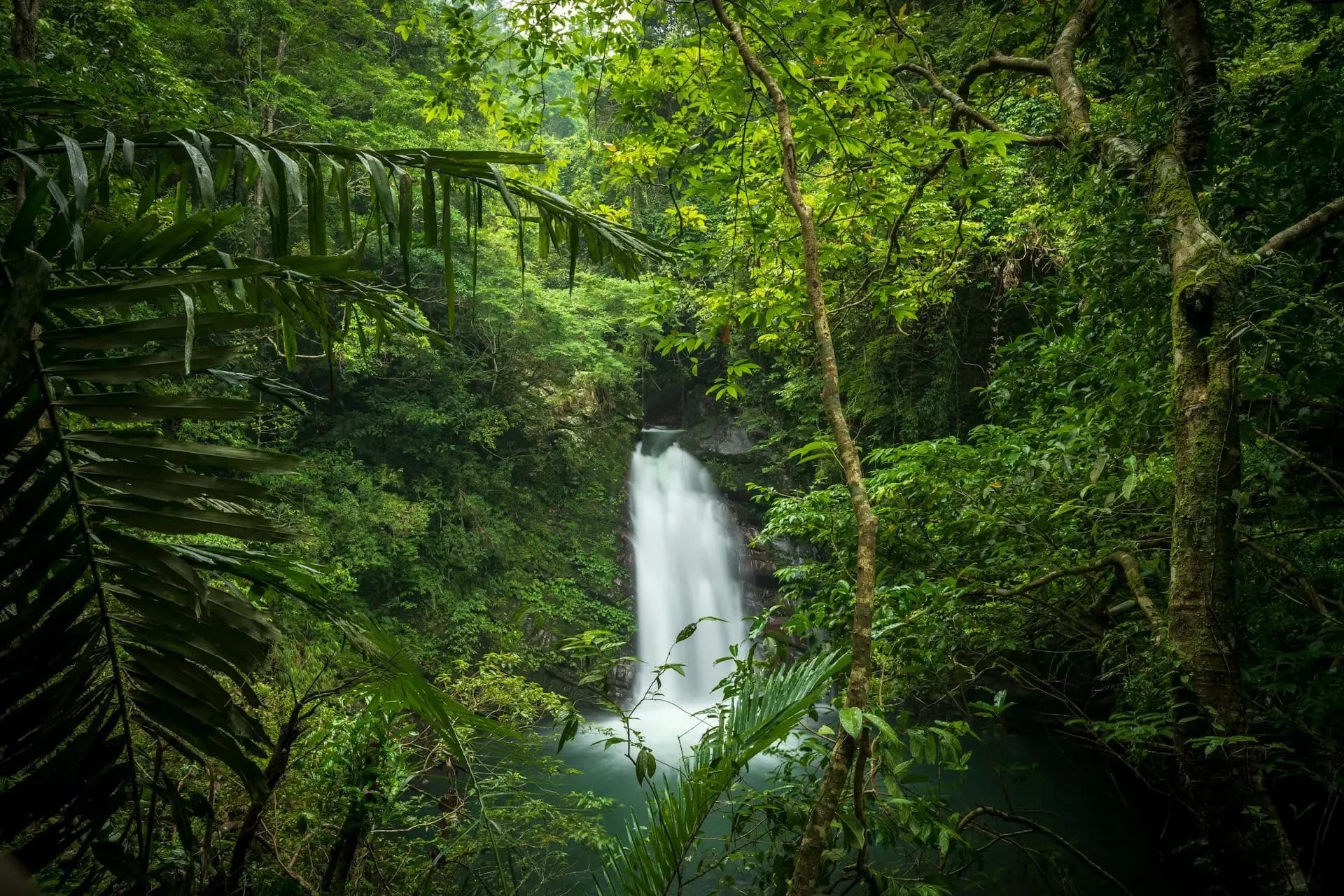
Highlights: The landscape turns lush and green. Waterfalls in the Cibao Valley and Jarabacoa run at their most impressive. Fewer tourists mean more personal service at smaller hotels and lodges.
June
Weather: Warm and humid. Rainfall picks up further, though mornings are usually sunny. Temperatures peak around 31-32°C.
Crowds & Prices: Low season prices continue. Resorts offer generous promotions.
Highlights: Kiteboarding season begins in Cabarete on the north coast, consistent trade winds make June through September the best window for wind sports. Early June is a sweet spot: lower prices, reliable wind, and the hurricane threat is still minimal.
July
Weather: Hot and humid. Afternoon showers are common but rarely last more than an hour. Temperatures around 31-32°C.
Crowds & Prices: A mini-peak as Dominican summer holidays begin and some European families arrive. Prices nudge up from the May-June lows.
Highlights: The Festival del Merengue y Bachata in Santo Domingo (typically late July) is the biggest music festival in the Caribbean, live stages along the Malecón, international artists, and spontaneous street dancing. Our Merengue Circuit holiday is timed around this event.
August
Weather: Peak heat. The hottest month, with highs of 32-33°C. Afternoon storms are frequent. Statistically, hurricane activity in the wider Caribbean increases from August.
Crowds & Prices: Low season. Dominican summer holidays keep some domestic tourism alive, but international visitor numbers are low. Strong discounts at most hotels.
Highlights: Kiteboarding in Cabarete is superb. The festival of La Restauración (16 August) celebrates the restoration of Dominican independence from Spanish re-annexation, with parades and fireworks. Santo Domingo's nightlife is buzzing with locals.
September
Weather: The heart of the Atlantic hurricane season. Rainfall is at its highest, particularly on the north coast. That said, days often start sunny. Temperatures remain around 31-32°C.
Crowds & Prices: The quietest month for tourism. Rock-bottom prices. Some smaller boutique hotels close for maintenance.
Highlights: Ideal for budget-conscious kiteboarding holidays in Cabarete. The south coast (Bayahibe, Juan Dolio) is noticeably drier than the north. Diving conditions at Catalina Island are good.
October
Weather: Still within hurricane season, though the statistical window narrows by late October. Rainfall begins to taper. Temperatures ease to around 30°C.
Crowds & Prices: Low season continues. Hotels start preparing for the winter season with refurbished rooms and updated menus.
Highlights: The Dominican Republic Jazz Festival (typically November) takes place in Cabarete, Sosua and Puerto Plata, a laid-back event that draws international talent. Whale sharks are occasionally spotted off the south coast.
November
Weather: Rainfall drops noticeably in the second half of the month. Temperatures settle around 29-30°C. Hurricane risk is effectively over by late November.
Crowds & Prices: Another excellent shoulder month. Prices have not yet jumped to winter rates, but the weather is improving rapidly. Smart travellers book November for the best balance of value and conditions.
Highlights: The tail end of the jazz festival. Holiday decorations begin appearing in Santo Domingo's Zona Colonial. It is a peaceful, uncrowded window to explore the country's interior, from the Cibao Valley cigar country to the coffee mountains of Jarabacoa.
December
Weather: Dry season returns. Clear skies, low humidity, 28-29°C. Trade winds keep the coast comfortable.
Crowds & Prices: Peak season kicks in from mid-December. Christmas and New Year weeks are the most expensive of the year. Flights from the UK sell out early.
Highlights: Santo Domingo's Christmas traditions are infectious, merengue parties, festive street food, and fireworks at midnight on 31 December. Resorts put on lavish celebrations. Whale watching boats in Samaná start taking bookings for mid-January departures.
Best Time for Specific Activities
Beach Holidays
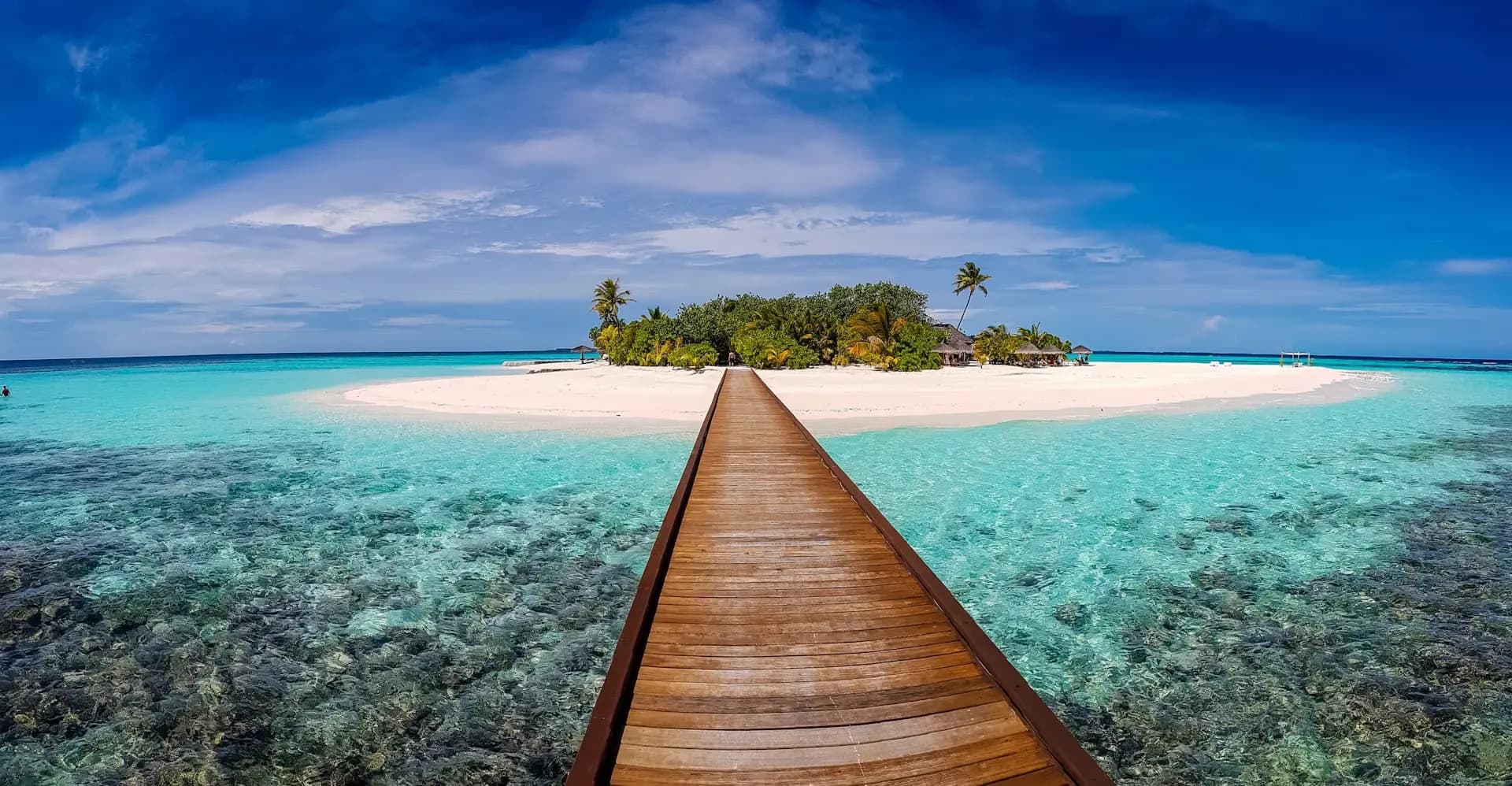
December to April. The dry season delivers consistent sunshine, calm seas, and water temperatures around 26-28°C. Punta Cana, Bayahibe, and Las Terrenas are at their best. Our All-Inclusive Guide covers the main resort areas and what to expect.
Whale Watching (Samaná)
Mid-January to late March. North Atlantic humpback whales congregate in the warm, shallow waters of Samaná Bay to breed and calve, estimates put the number in the low thousands each season. Boat excursions depart from the town of Samaná and the fishing village of Las Galeras. Late February tends to offer the highest concentration of whales.
Kiteboarding & Wind Sports (Cabarete)
June to September. Consistent easterly trade winds of 15-25 knots keep Cabarete busy with kiteboarders from around the world. Kite Beach has schools, rental shops, and a lively après-kite scene. June and September bookend the season with lower prices.
Hiking & Eco-Tourism (Jarabacoa & Constanza)
Year-round, but November to April is driest. The Dominican Alps, the Cordillera Central, sit above 1,000 metres, keeping temperatures pleasantly cool (18-24°C). Trek to Pico Duarte, the Caribbean's highest peak, raft the Río Yaque del Norte, or visit hidden waterfalls. The wet season means muddier trails but more dramatic cascades.
Cultural Tours & City Exploration
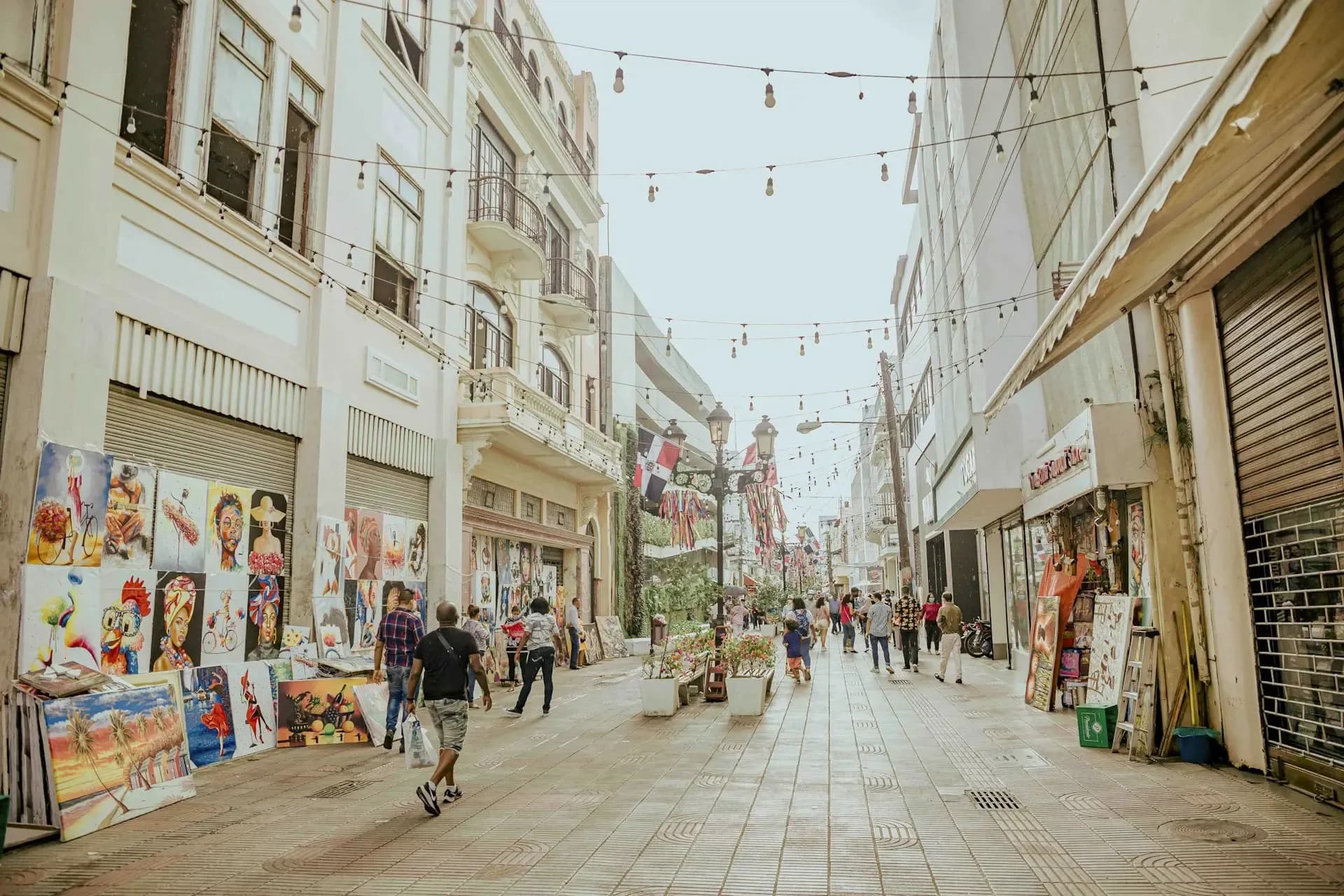
Any month works, but February and July stand out. February's Carnival is the cultural highlight of the year, while July's Merengue Festival captures the soul of Dominican music. Santo Domingo's Zona Colonial, the oldest European settlement in the Americas, is fascinating year-round. Our Cultural Gateway itinerary threads these highlights together.
Diving & Snorkelling
April to November. Visibility is best from May to September on the south and east coasts. Catalina Island, Bayahibe's reef system, and the underwater sculpture museum at Bayahibe are the headline sites. Water temperatures stay above 27°C through the summer months.
Hurricane Season: An Honest Assessment
The Atlantic hurricane season officially runs from 1 June to 30 November, but the Dominican Republic's actual risk is concentrated in August to early October. Statistically, a direct hurricane hit is rare, the country averages a significant tropical cyclone roughly once every five to ten years. Most seasons pass without incident.
When storms do occur, the north coast (Puerto Plata, Samaná) and mountain regions tend to experience more impact than the drier south coast. Punta Cana's position on the southeastern tip means it occasionally catches the edge of tropical systems.
Practical advice for UK travellers:
Travel insurance is essential regardless of season. Ensure your policy covers hurricane-related disruption, including flight delays and hotel closures.
Most international hotel chains have robust storm protocols and will relocate guests if necessary.
If you are travelling June to November, the south coast (Bayahibe, Juan Dolio, Santo Domingo) tends to be drier and more sheltered than the north.
Monitor the UK FCDO travel advice page in the weeks before departure.
Do not let hurricane season put you off entirely, millions of tourists visit the Caribbean safely every summer, and DR hotel pricing reflects the minimal actual risk.
Booking Tips for UK Travellers
When to Book
Peak season (Dec-Apr): Book four to six months ahead for the best flight prices and hotel availability, especially over Christmas, half-term, and Easter.
Shoulder months (May, Nov): Two to three months ahead is usually sufficient. You will find strong promotions from hotels keen to fill rooms before or after peak season.
Low season (Jun-Oct): Last-minute deals can be excellent, but popular kiteboarding hotels in Cabarete book up in advance during summer.
Flight Timing
Direct flights from London Gatwick to Punta Cana operate year-round (approximately 9.5 hours). Services to Santo Domingo and Puerto Plata may route through a connection. Midweek departures (Tuesday or Wednesday) are typically cheaper than weekend flights.
Get More for Your Budget
Shoulder season is the smart choice. May and November give you 80% of the peak-season weather at 60% of the price.
Consider a tailor-made itinerary rather than a standard package. Combining two or three regions (say, Santo Domingo, the Cibao Valley, and a beach stay) lets you see more of the country without the premium of peak-season resort rates. Browse our DR holiday itineraries for inspiration.
All-inclusive is not always cheapest. For active trips involving multiple destinations, a bed-and-breakfast or half-board basis with local restaurants often works out better value, and you eat far more interesting food.
Frequently Asked Questions
September and October typically offer the lowest flight and hotel prices. May and November are better bets if you want good weather combined with low-season pricing.
Book Your Dominican Republic Holiday
Tell us when you want to travel and we'll recommend the best itinerary. Tailor-made, ATOL-protected holidays, priced on enquiry.
MORE FROM TRAVELFAB
Holidays you might like
DESTINATIONS
Explore these places
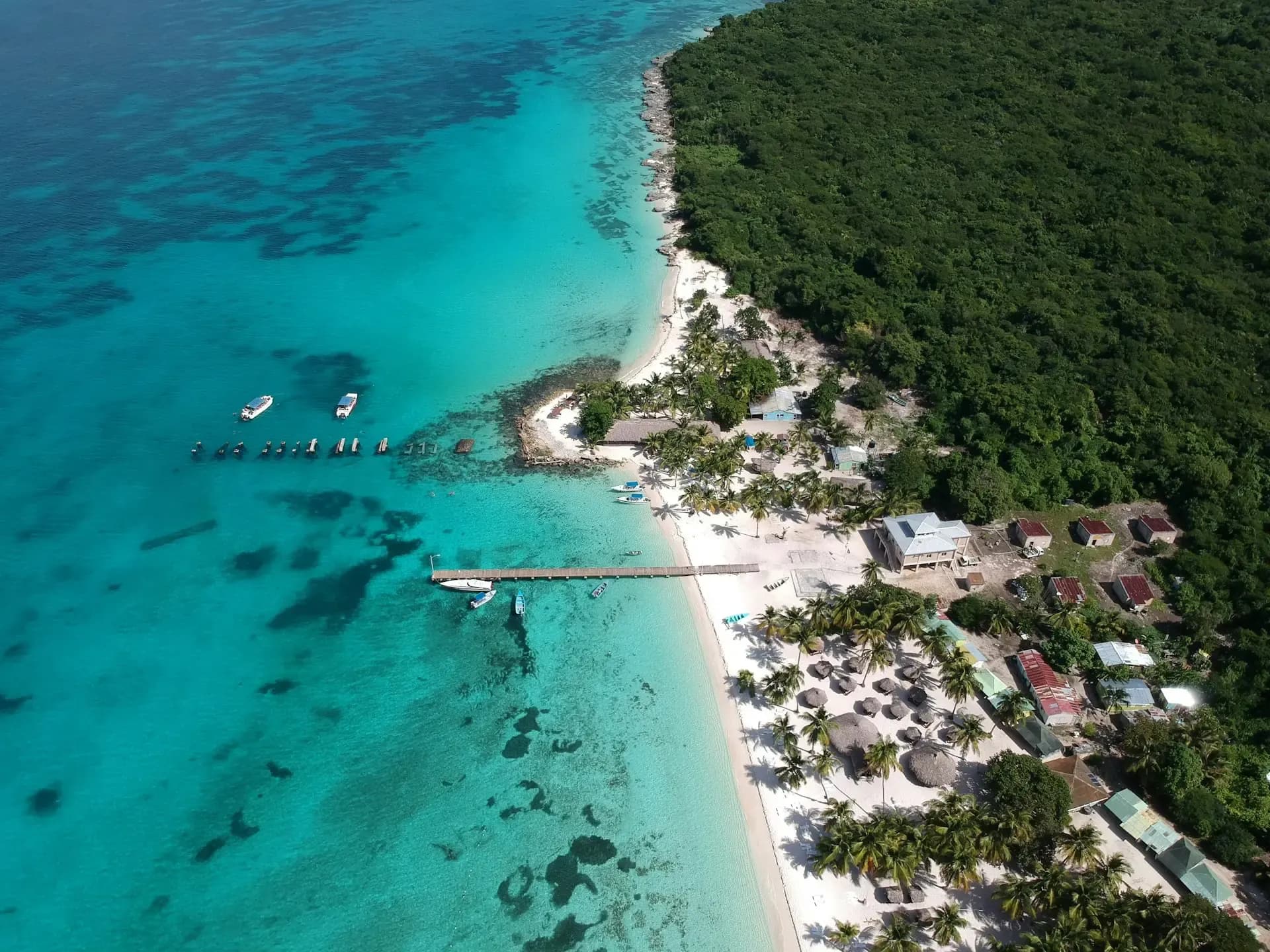
KEEP READING
More stories
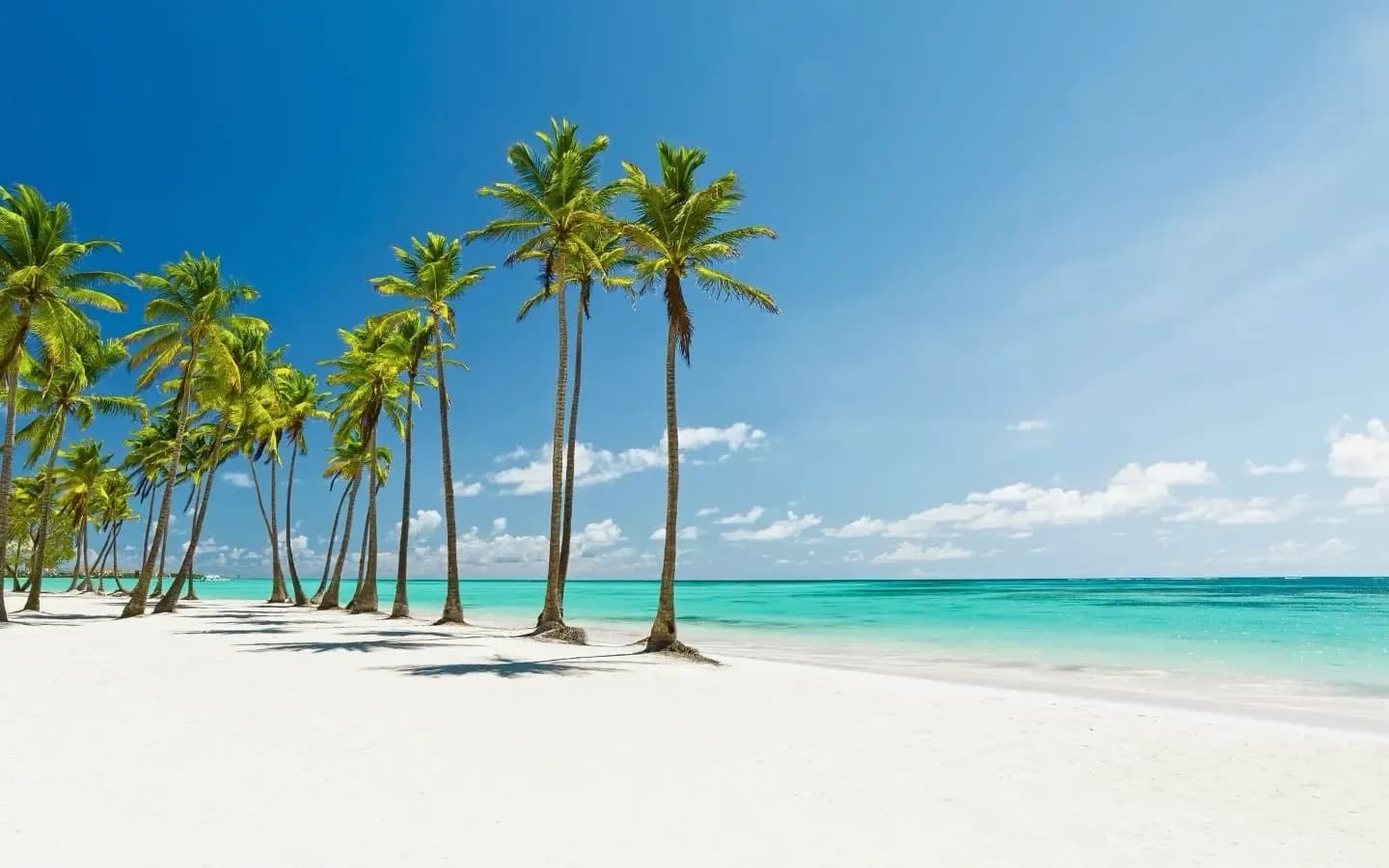
Dominican Republic All-Inclusive Holidays: A UK Buyer's Guide for 2026
Honest UK buyer's guide to all-inclusive Dominican Republic holidays. Punta Cana, Bavaro, Bayahibe and Samaná compared.
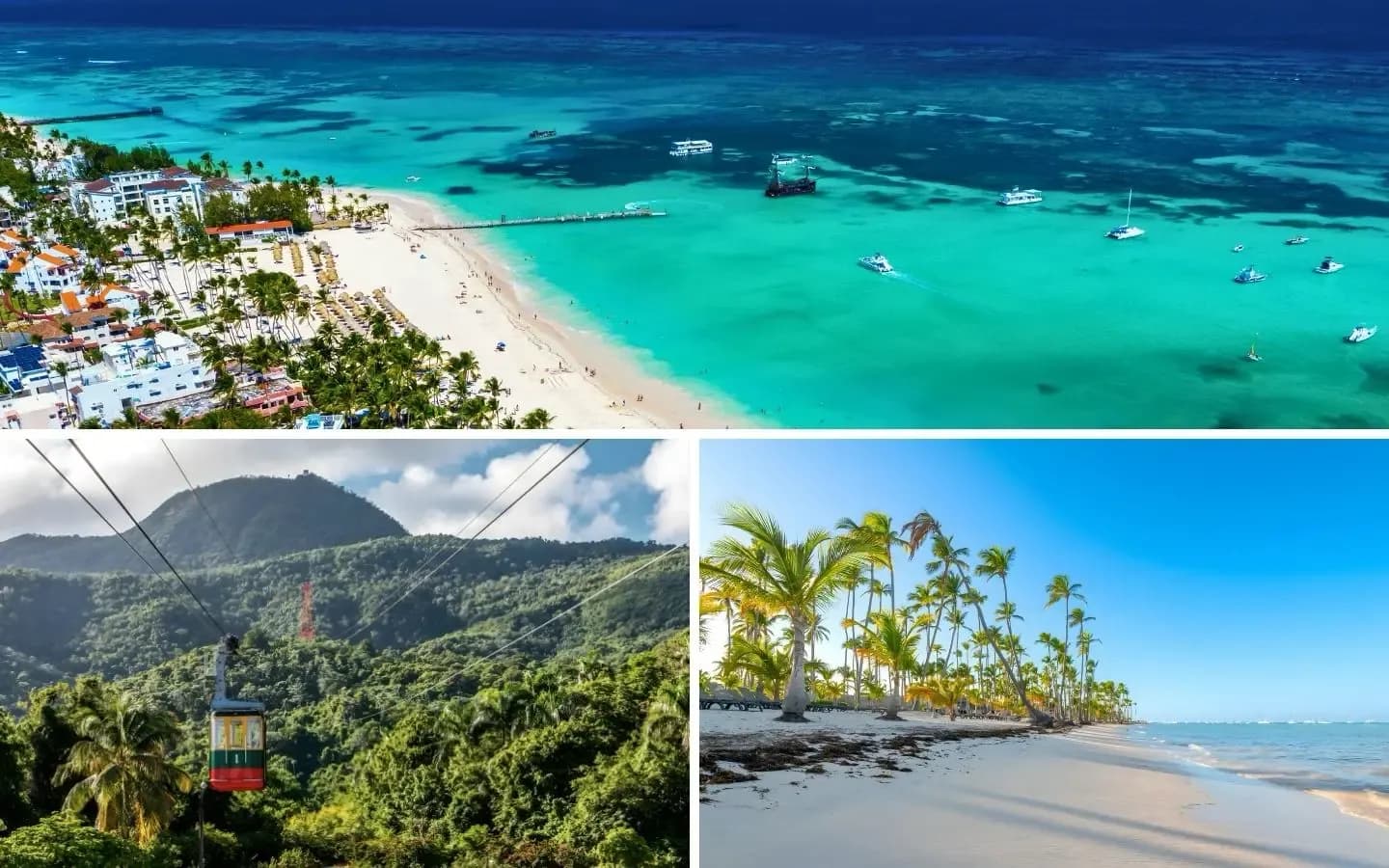
Dominican Republic Travel Guide 2026
The Dominican Republic beyond the resort: the oldest European city in the Americas, mountain white-water, and humpback whales in Samana every winter.