







The Samana Peninsula is the Dominican Republic's wild side. It juts out from the northeast coast into the Atlantic, and from mid-January to mid-March, thousands of humpback whales gather in its protected bay to breed and calve. Whale-watching boat trips leave from the town of Samana daily during the season, and sightings are almost guaranteed.
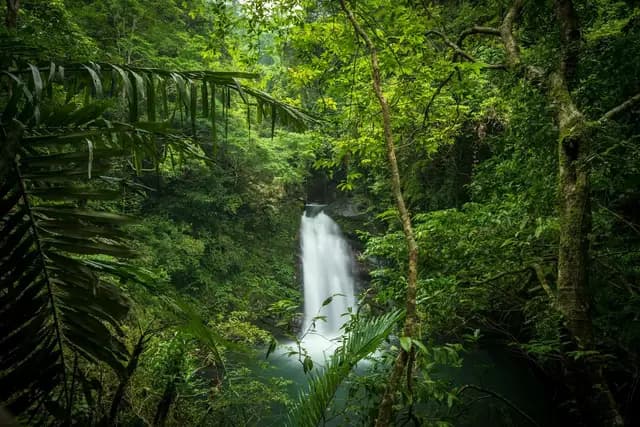
Outside whale season, Samana still delivers. Los Haitises National Park is a maze of mangrove-fringed inlets, karst hills, and sea caves once used by the Taino people. Kayak tours through the park are quiet and atmospheric. Inland, the mountain town of Jarabacoa is the base for white-water rafting, canyoning, and hikes to the 27 Waterfalls of Damajagua, where you jump, slide, and swim through a chain of natural rock pools. This region suits travellers who want more than a sunbed.
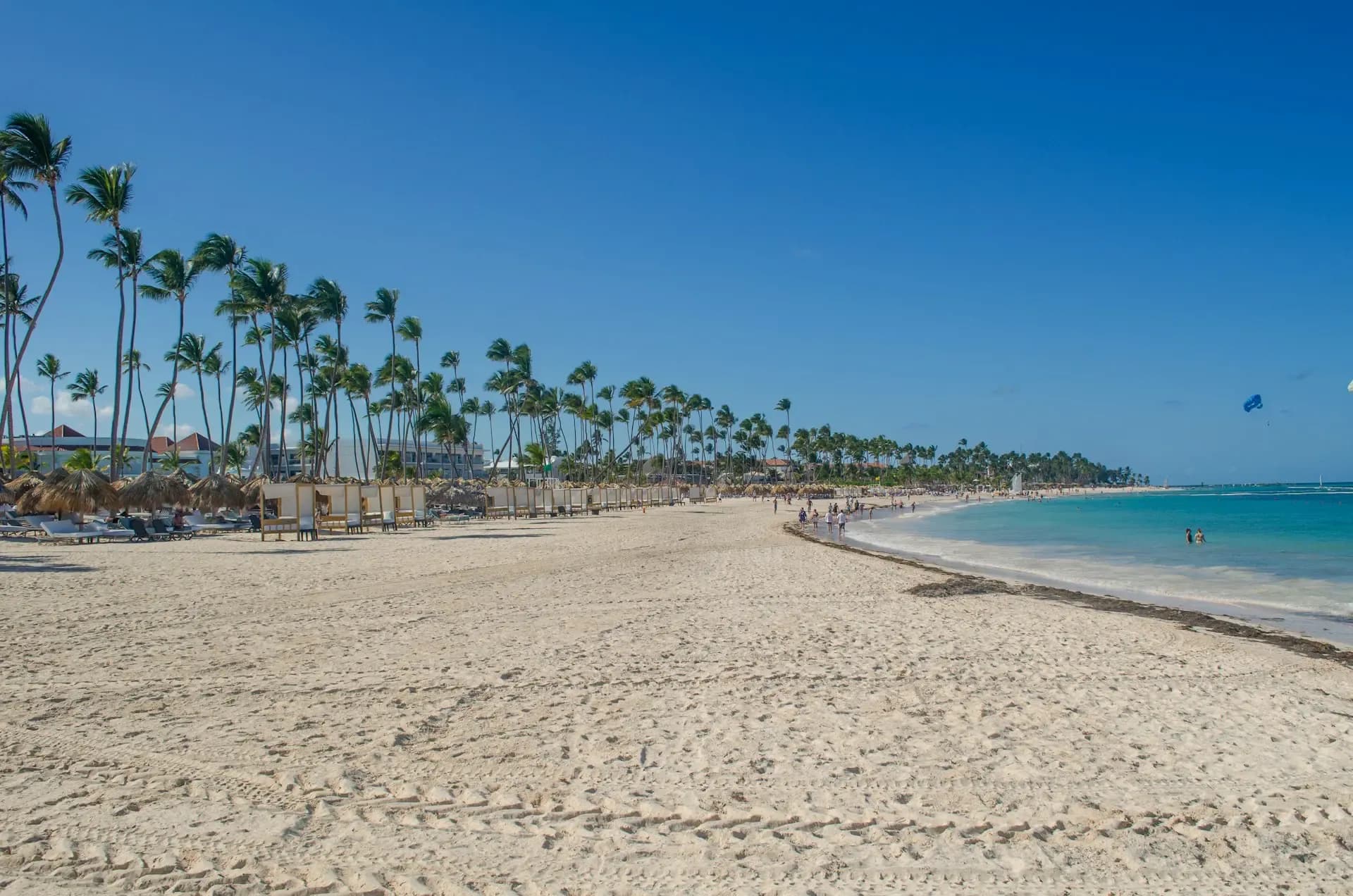
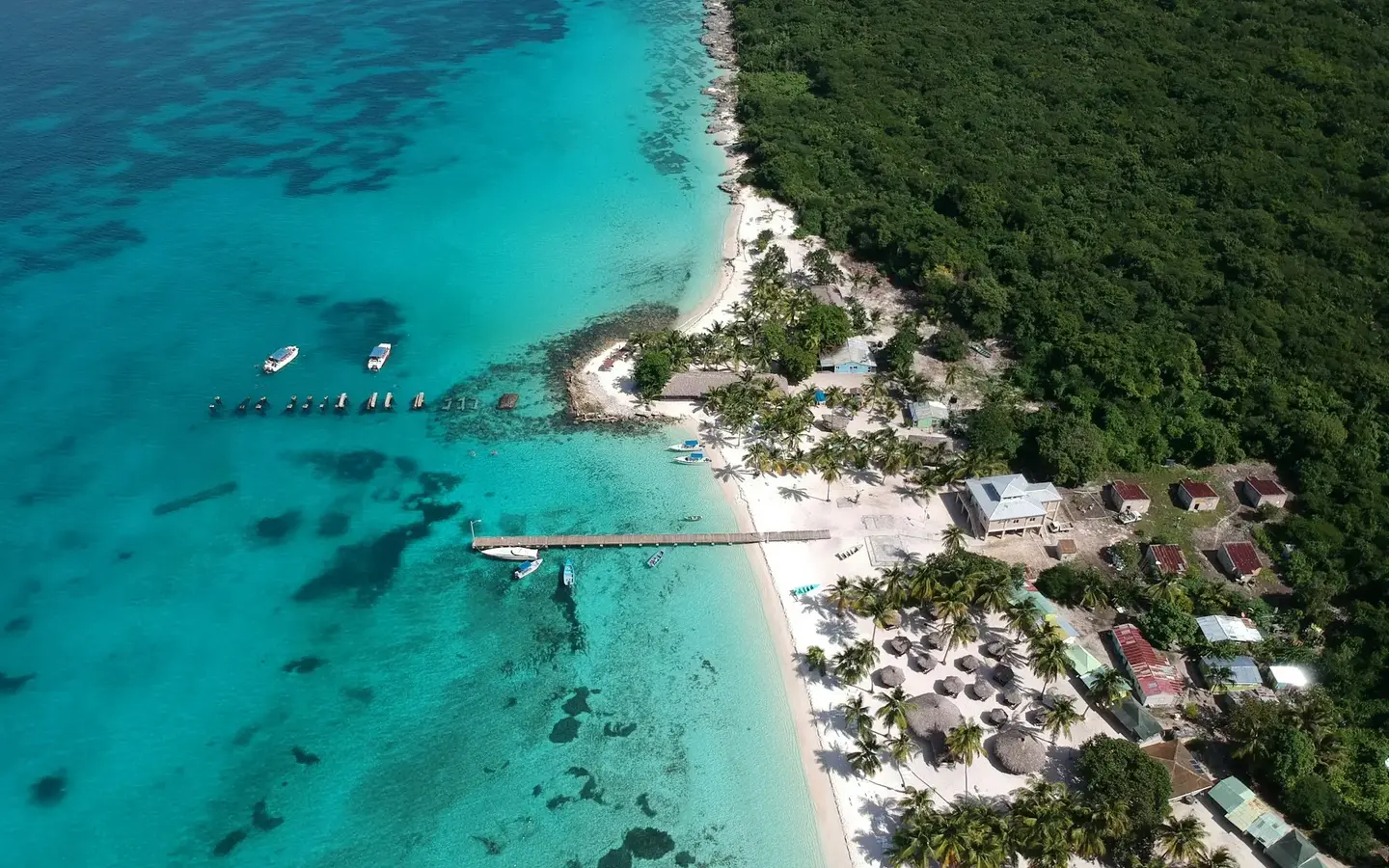
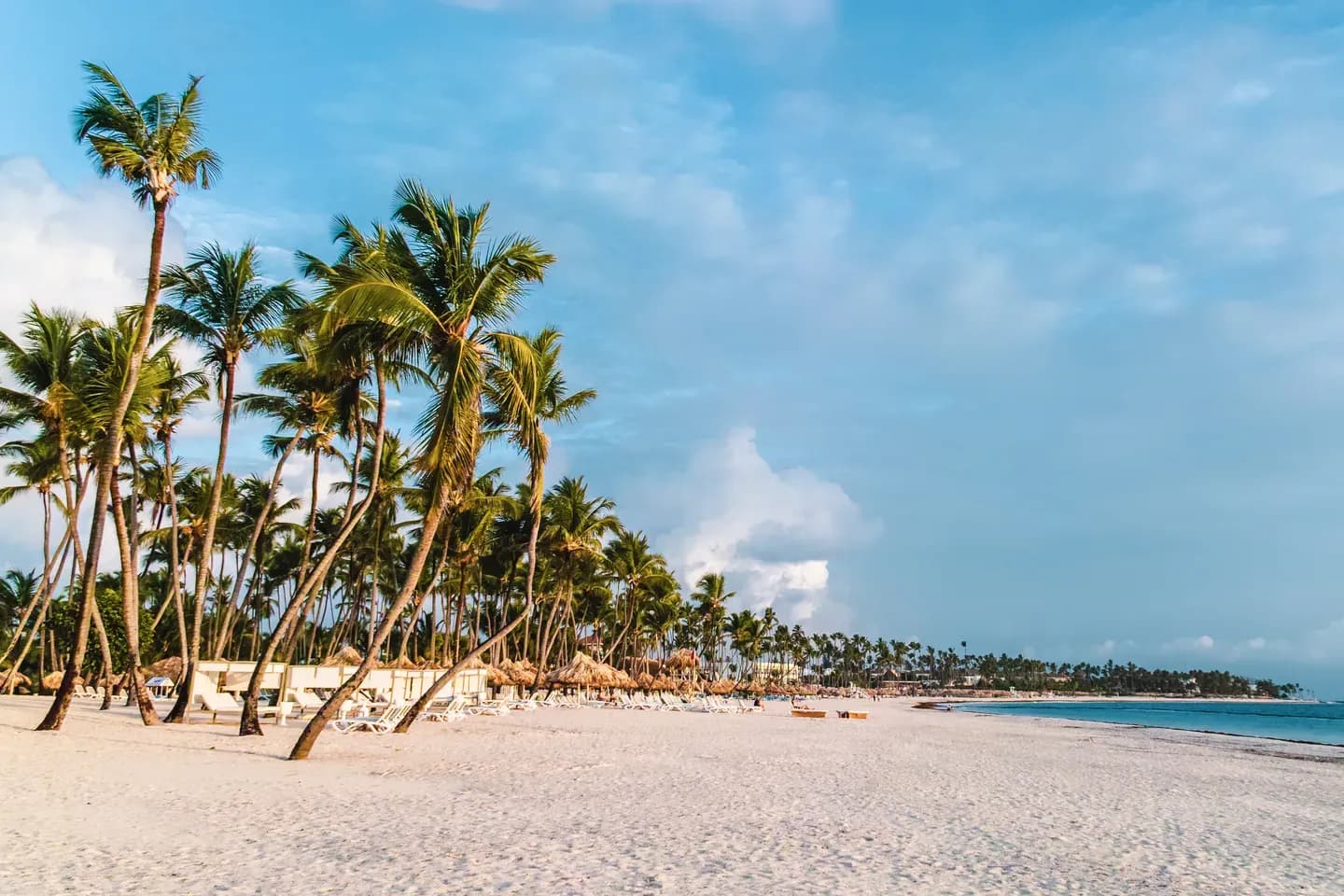
Between 1,500 and 2,000 humpback whales migrate to the warm waters of Samaná Bay each year to breed and give birth, making it one of the largest whale-watching concentrations in the world. Boat excursions run from Samaná town throughout the season. Inland, the El Limón waterfall drops 40 metres into a natural swimming pool, reachable by horseback ride or jungle hike. The beaches here are a different class, Playa Rincón and Las Galeras are routinely ranked among the Caribbean's finest, accessible only by boat or rough road, which keeps them blissfully uncrowded. Los Haitises National Park, across the bay, contains the highest biodiversity in the Caribbean, limestone karst formations rising from mangrove channels, with Taíno cave paintings dating back over 2,000 years.