DESTINATION GUIDES
Best Time to Visit the Galápagos: A Month-by-Month Wildlife Guide
A Galápagos specialist's month-by-month guide to weather, wildlife and calm seas. Find the best time to visit for snorkelling, whale sharks and baby sea lions.

The short answer
Here is the freeing thing about the Galápagos: there is no bad time to go. The wildlife that makes these islands extraordinary, giant tortoises, marine iguanas, sea lions, the boobies and the penguins, lives here all year. Nothing migrates away in low season. So unlike most wildlife destinations, you are not choosing between a good month and a wasted one. You are choosing between two different versions of a brilliant trip.
The islands run on two seasons. The warm season (roughly December to May) brings calmer, warmer seas, sunnier skies and the easiest snorkelling, the gentle option, and the one we steer most first-timers and families towards. The cool, dry season (June to November) brings choppier water, grey "garúa" mornings and a wetsuit, but in exchange you get the islands at their most alive underwater: whale sharks at the far north, dancing boobies, fat sea-lion pups and penguins darting past your mask.
If you want a single specialist's pick, April is the most reliable all-rounder. But the honest answer is that the right month depends entirely on what you came to see, so here is how the year actually breaks down.
The Galápagos's two seasons
The islands sit on the equator, but two ocean currents, not the calendar you would expect, set the weather.
Warm & wet season (December to May). The Panama Current pushes warm water down from the north. Days are hot and bright, around 26–30°C, with occasional short, heavy afternoon downpours that green the islands. Crucially, the sea is calmest and warmest now (low-to-mid 20s°C, warmest February to April), with the best underwater visibility of the year. This is prime snorkelling weather.
Cool & dry season (June to November). The cold Humboldt Current sweeps up from the south, dropping sea temperatures to around 19–22°C and draping the highlands in garúa, a fine grey mist. It rarely properly rains, but skies are often overcast and the seas get choppier, roughest from August to October. The pay-off is that the cold water is rich in nutrients, so the marine life goes into overdrive.
That second point is the one most people miss. The "worse" weather season is the better wildlife season underwater. Cold, grey and lumpy on the surface means plankton-rich and teeming below it.
Month by month
December to February
Weather & sea: The warm season settles in. Hot, bright days, the odd heavy shower, calm warm seas. Visibility underwater is excellent.
Crowds & prices: Mid-December to mid-January is peak season, Christmas, New Year and the southern-hemisphere summer holidays. Book the good small ships a long way ahead. Late January and February are quieter.
Wildlife: Green sea turtles begin nesting on the beaches. Marine iguanas on Española flush red and green for breeding, the so-called "Christmas iguanas". Land birds and Darwin's finches start their breeding season as the rains bring food. Sea lions are pupping into the new year.
March to April
Weather & sea: The warmest water of the year and the calmest seas, the sweet spot for snorkelling and for anyone prone to seasickness. The odd downpour, but plenty of sun.
Crowds & prices: A genuine shoulder window. Quieter and better value than the December peak, before the June rush.
Wildlife: This is why April is our all-rounder. Waved albatross return to Española towards the end of March and begin their extraordinary courtship dance through April. Blue-footed boobies are nesting, land birds are at their most active, green turtles are still nesting and the snorkelling is as good as it gets. A lot of the headline events overlap here.
May to June
Weather & sea: The transition. Seas begin to cool and firm up as the Humboldt Current arrives; skies turn greyer through June.
Crowds & prices: May is one of the quietest, best-value months of the year. June starts to fill as the northern-hemisphere summer holidays approach.
Wildlife: A wonderful overlap month. Albatross courtship continues on Española, blue-footed boobies begin their comical mating dance, and the first whales and dolphins appear offshore as the cold water moves in. Sea lions are increasingly active.
July to August
Weather & sea: Full cool season. Cooler air, garúa mornings, cooler water and choppier crossings. A wetsuit makes snorkelling comfortable.
Crowds & prices: The busiest stretch alongside Christmas, as European and North American families travel. Book early.
Wildlife: Peak seabird drama. Blue-footed boobies are in full courtship, flightless cormorants and Galápagos penguins are highly active in the nutrient-rich water, and whales and dolphins are regular offshore. For divers, whale sharks begin arriving at the remote northern islands of Darwin and Wolf, accessible only on specialist liveaboard dive trips, not standard cruises.
September to October
Weather & sea: The coolest, greyest, choppiest part of the year, and, underwater, the richest. Water can drop to around 19–21°C, so a wetsuit is essential.
Crowds & prices: The quietest and best-value window after the summer rush. You will share the sites with far fewer people.
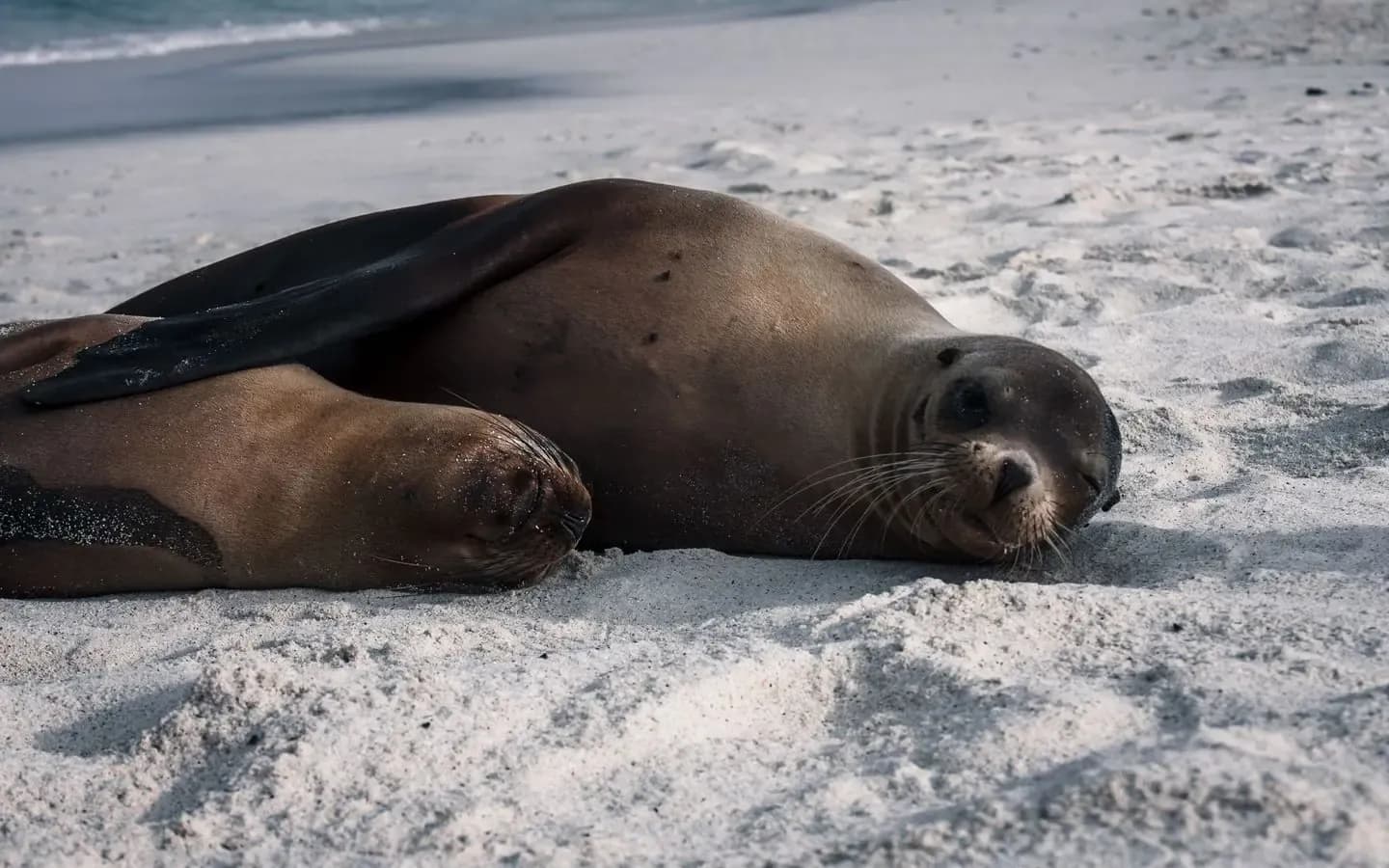
Wildlife: The wildlife-lover's secret season. Sea-lion pupping peaks, so the beaches are full of comical, curious pups. Penguins and cormorants are at their most active, seabird colonies are busy, and the whale-shark season at Darwin and Wolf is at its peak for divers. If you came for sheer animal activity and you do not mind cool water and grey skies, this is the one.
November
Weather & sea: The cool season eases. Seas begin to calm and warm again towards the end of the month, an underrated transition window.
Crowds & prices: Quiet and good value before the December peak returns. A smart month to travel.
Wildlife: Sea-lion pups are everywhere and still tiny, the seas are settling for easier snorkelling, and the islands are between their two busy seasons. A lovely, calm time to go.
The Galápagos wildlife calendar: when to see what
Most of the famous animals are here every day of the year. But a handful of the real showpieces run to a schedule, and timing your trip around them is the difference between seeing wildlife and witnessing something unforgettable.
Waved albatross (Española): Present roughly April to December, with the courtship dance at its best from April to June. They are entirely absent January to March, so if the albatross is on your list, do not go in late winter.
Whale sharks (Darwin & Wolf): June to November, peaking August to October. These are remote northern dive sites reached only by liveaboard dive boats, a trip for certified divers, not a standard cruise.
Blue-footed booby courtship: The famous foot-waving dance peaks roughly June to August, though you will see boobies year-round across the islands.
Sea-lion pupping: Pups appear across the year but peak August to November, when the beaches fill with playful youngsters.
Green sea turtle nesting: December to April, on the warm-season beaches.
Giant tortoises: Visible year-round in the Santa Cruz highlands and on San Cristóbal; nesting runs roughly June to November.
Galápagos penguins & flightless cormorants: Most active in the cool season (June to November), when the cold, nutrient-rich Humboldt water suits them. The Galápagos penguin is the only penguin found north of the equator.
If a specific encounter is the whole point of your trip, tell us what it is and we will build the dates around it.
Cruise or land, and how the season changes the choice
How you travel changes how much the season matters, and it is worth deciding early. A Galápagos expedition cruise reaches the wildest, most remote islands and sails between sites overnight, so you wake up somewhere new each morning, but in the choppy August-to-October months, a smaller boat will feel the swell, so calmer December-to-May seas suit nervous sailors. A land-based, island-hopping trip keeps you on dry land each night and is gentler on the seasickness-prone in any month, though you cover less ground. We weigh the two up properly in our guide to Galápagos cruise versus land-based travel.
For cruises, our Galápagos Western Islands Discovery aboard the Evolution focuses on the dramatic, wildlife-rich western islands of Isabela and Fernandina, while the Galápagos Eastern Islands Expedition aboard the Santa Cruz III takes in the central and eastern islands and their seabird colonies.
Best time for your kind of trip
Snorkellers & first-timers: February to April, the warmest, clearest, calmest water of the year.
Divers (whale sharks): July to October at Darwin and Wolf, on a specialist liveaboard.
Birdwatchers: April to June, when albatross courtship, booby nesting and active land birds overlap.
Families: July and August line up with the school holidays and lively seabird activity, just book early, as it is peak season.
Best value & fewest crowds: May, September and October–November.
Calmest seas: December to May, if you or your travelling companions are prone to seasickness.
Our verdict: April for most, September for the wildlife obsessive
Ask ten operators and you will get ten answers, because they are all right. But if you are standing at the calendar with no fixed wildlife target, go in April. It threads the needle: the warm season's calm, clear water for snorkelling, the returning waved albatross beginning their courtship on Española, nesting boobies, active land birds and green-season green islands, all before the June crowds and the cool-water chop arrive.
The contrarian pick, and the one seasoned wildlife travellers quietly prefer, is September. The water is cold and grey and you will live in a wetsuit, but the islands are at their most alive: sea-lion pups everywhere, penguins and cormorants busy, the seabird colonies in full swing, whale sharks at the northern dive sites, and the lowest prices and smallest crowds of the year. It is not the postcard-weather trip. It is the wildlife trip. If you can tell which of those two travellers you are, you have your month.
Getting there, the park fee, and when to book
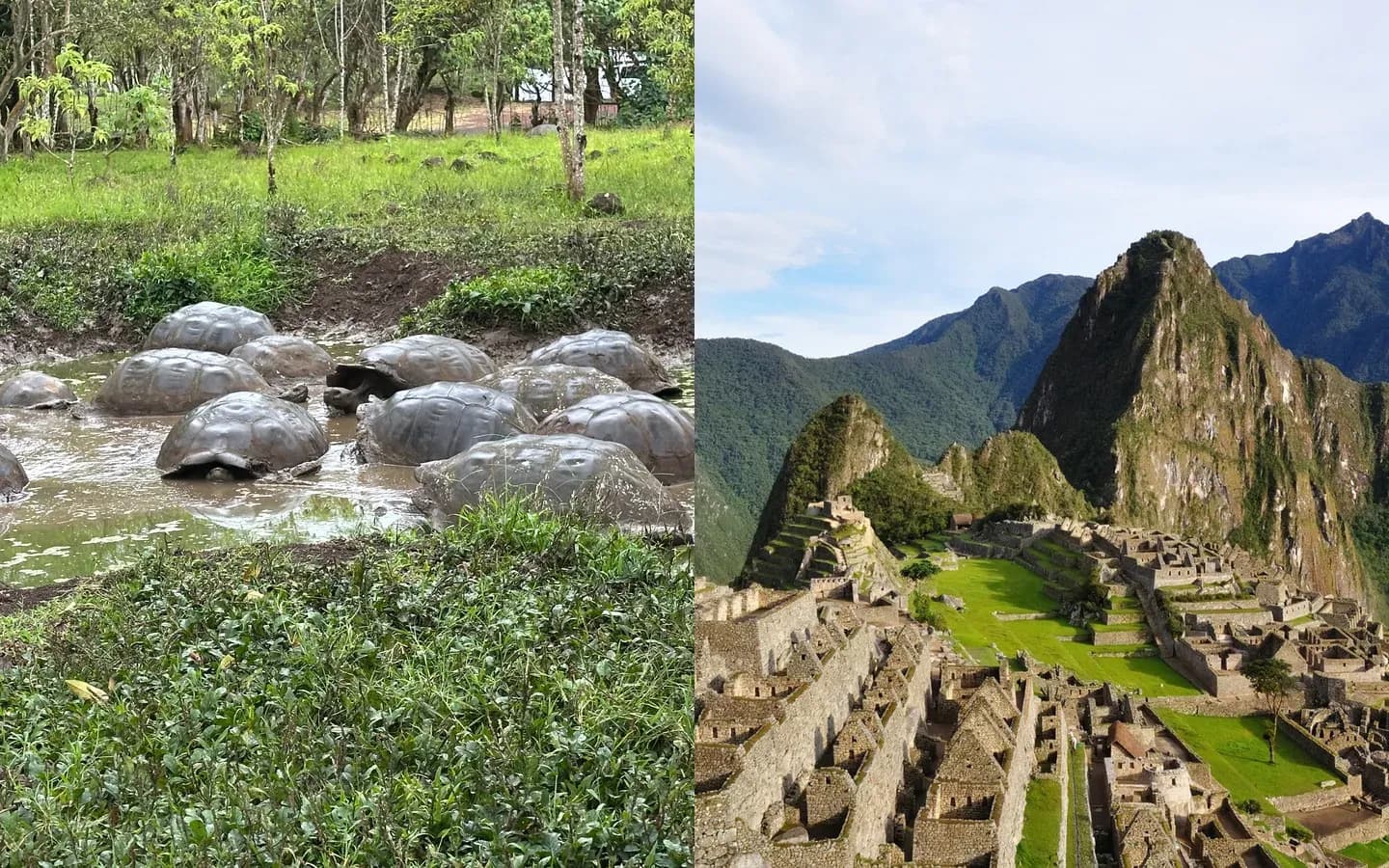
There are no direct flights from the UK to the Galápagos. You fly first to mainland Ecuador, Quito or Guayaquil, usually via Madrid, Amsterdam or the US, stay a night, then take a roughly two-hour domestic flight to the islands (Baltra, for Santa Cruz, or San Cristóbal). It is part of why the Galápagos pairs so naturally with the rest of Ecuador, or with Peru, our Galápagos and Machu Picchu twin-centre holiday builds both into one trip, and there is a luxury honeymoon version too.
Budget for the Galápagos National Park entrance fee, which rose to US$200 per adult (US$100 for children under 12) in August 2024, plus a roughly US$20 Transit Control Card. Both are paid in cash, in US dollars, on arrival.
And book earlier than feels necessary. The best small expedition ships carry only 16 to 100 guests, specific cabins and departure dates sell out, and the park caps visitor numbers, so six to twelve months ahead is normal, not cautious, especially for peak windows. When you have a rough idea of your dates and what you most want to see, tell us and we will line up the islands, the boat and the timing around it. You can also browse our full range of tailor-made Galápagos holidays to see how a trip comes together.
For official guidance on park rules and fees, the Galápagos Government Council is the authoritative reference alongside this guide.
Frequently Asked Questions
April is the best all-rounder: calm, warm, clear water for snorkelling, returning waved albatross beginning their courtship, nesting boobies and green islands, before the June crowds. But there is no bad month, the wildlife is here year-round, so the "best" time depends on whether you want calm warm seas (December to May) or peak underwater activity and lower prices (June to November).
Plan Your Galápagos Trip
Tell us what you most want to see, and roughly when, and our specialists will shape a cruise or island-hopping itinerary around the wildlife calendar. ATOL protected.
MORE FROM TRAVELFAB
Holidays you might like
DESTINATIONS
Explore these places
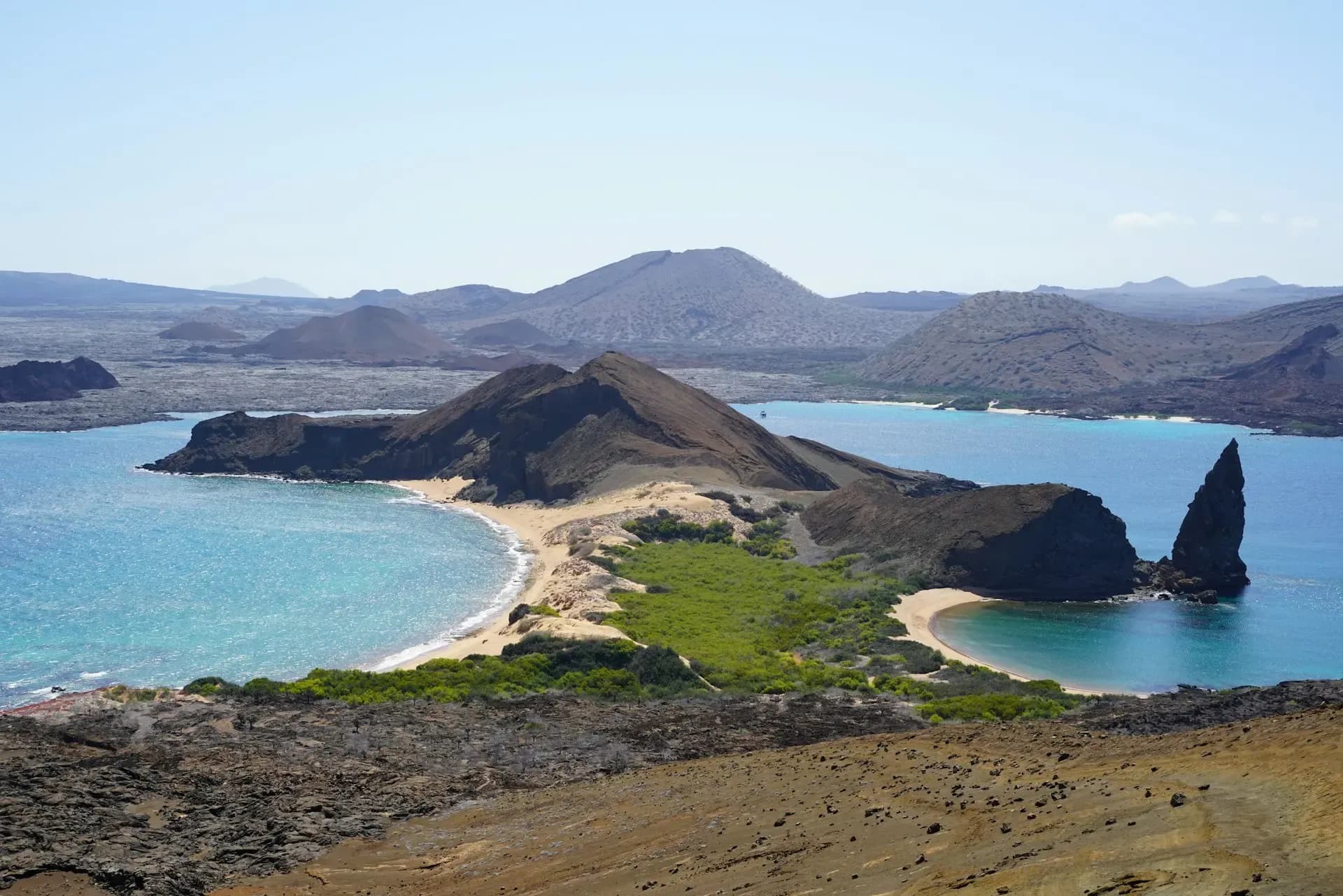
Galapagos Islands
Galapagos Islands expedition cruises with expert naturalist guides. Giant tortoises, marine iguanas, blue-footed boobies. ATOL-protected UK specialist.
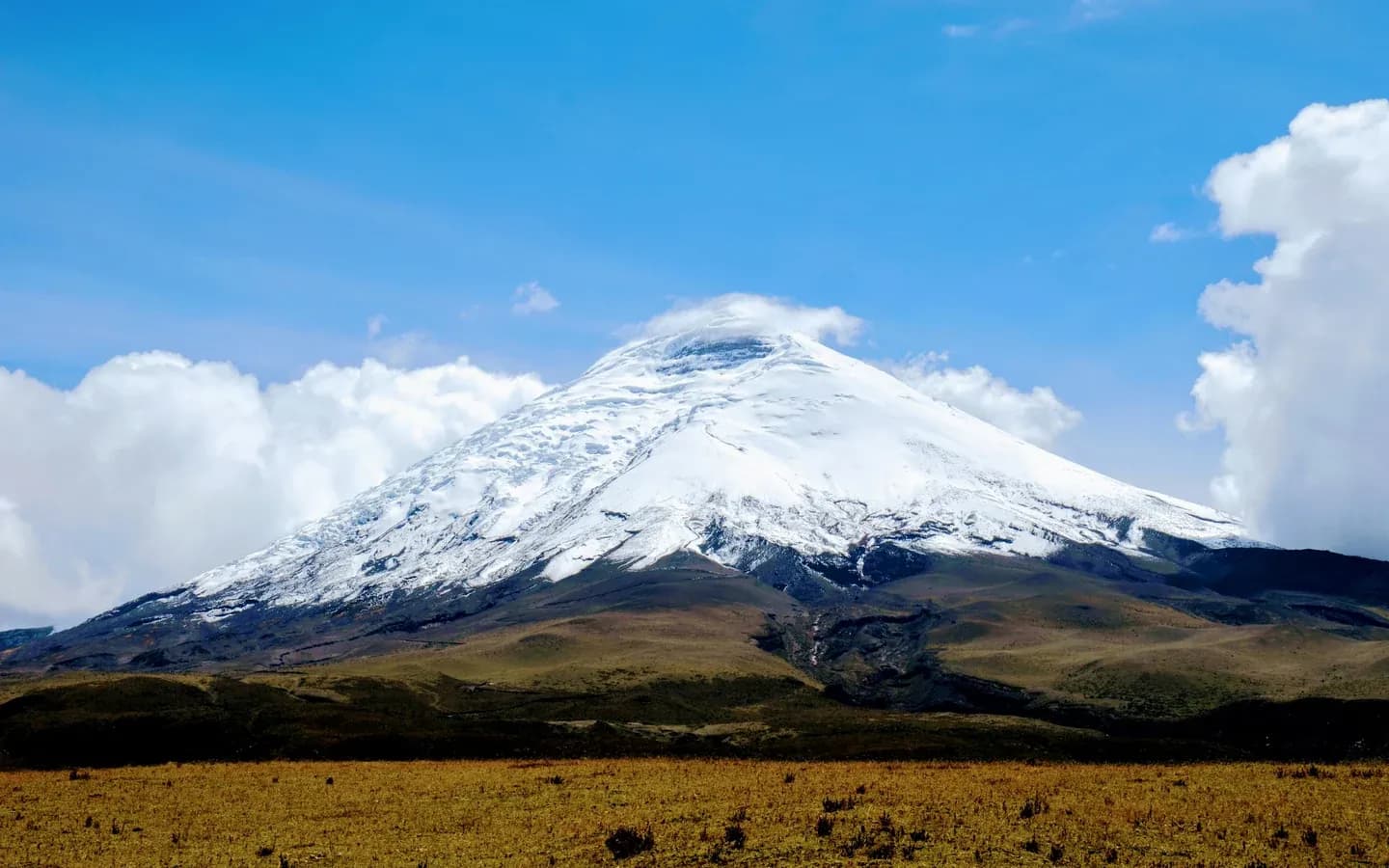
Ecuador
Tailor-made Ecuador and Galapagos holidays from the UK. Andean volcanoes, Amazon lodges and island wildlife, planned around you. ATOL protected.