DESTINATION GUIDES
Best Time to Visit Peru: Machu Picchu, the Andes & When to Go
A Peru specialist's month-by-month guide, the dry season, and the surprising best time for Machu Picchu, the Inca Trail, the Amazon and the Lima coast.

The short answer
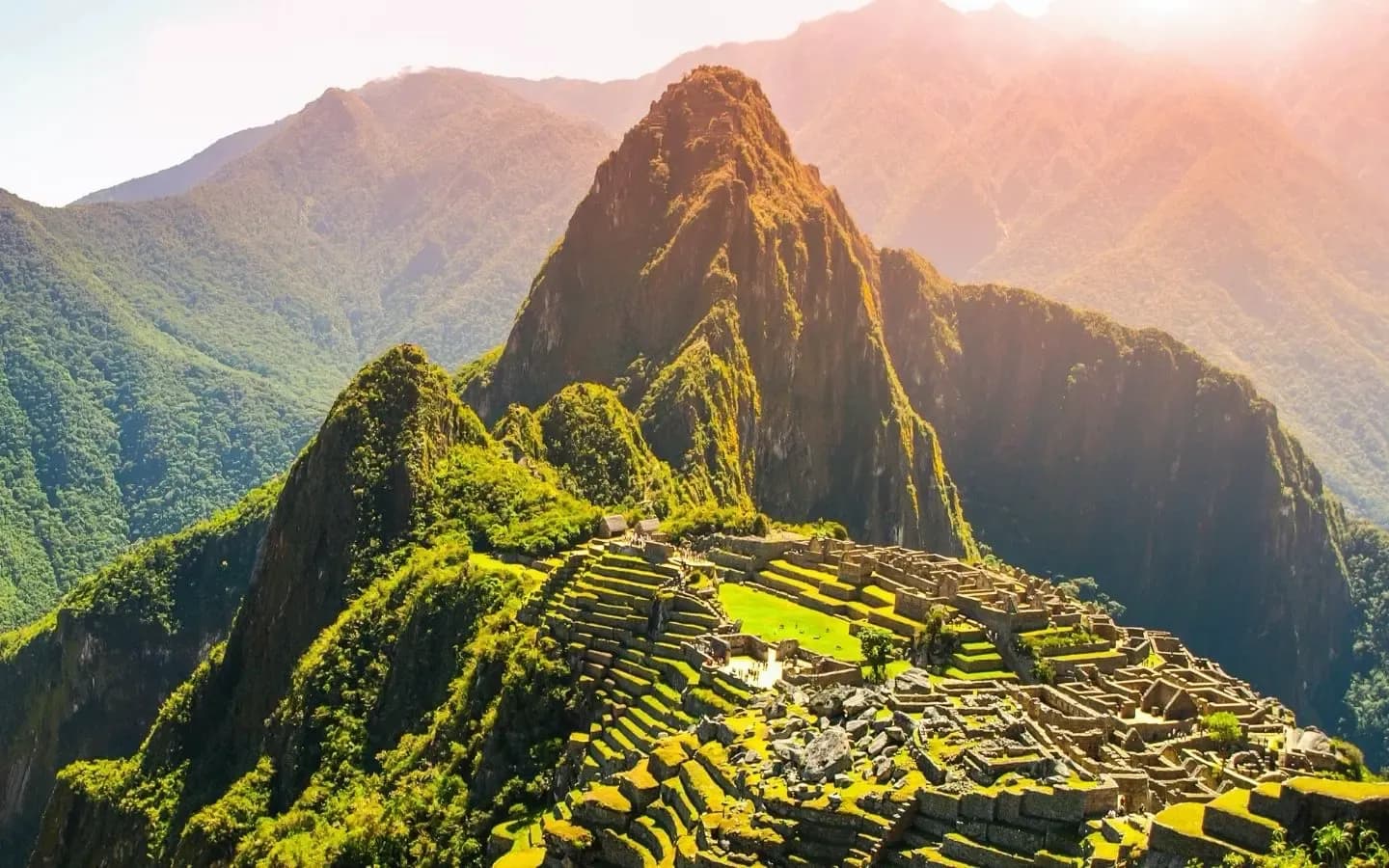
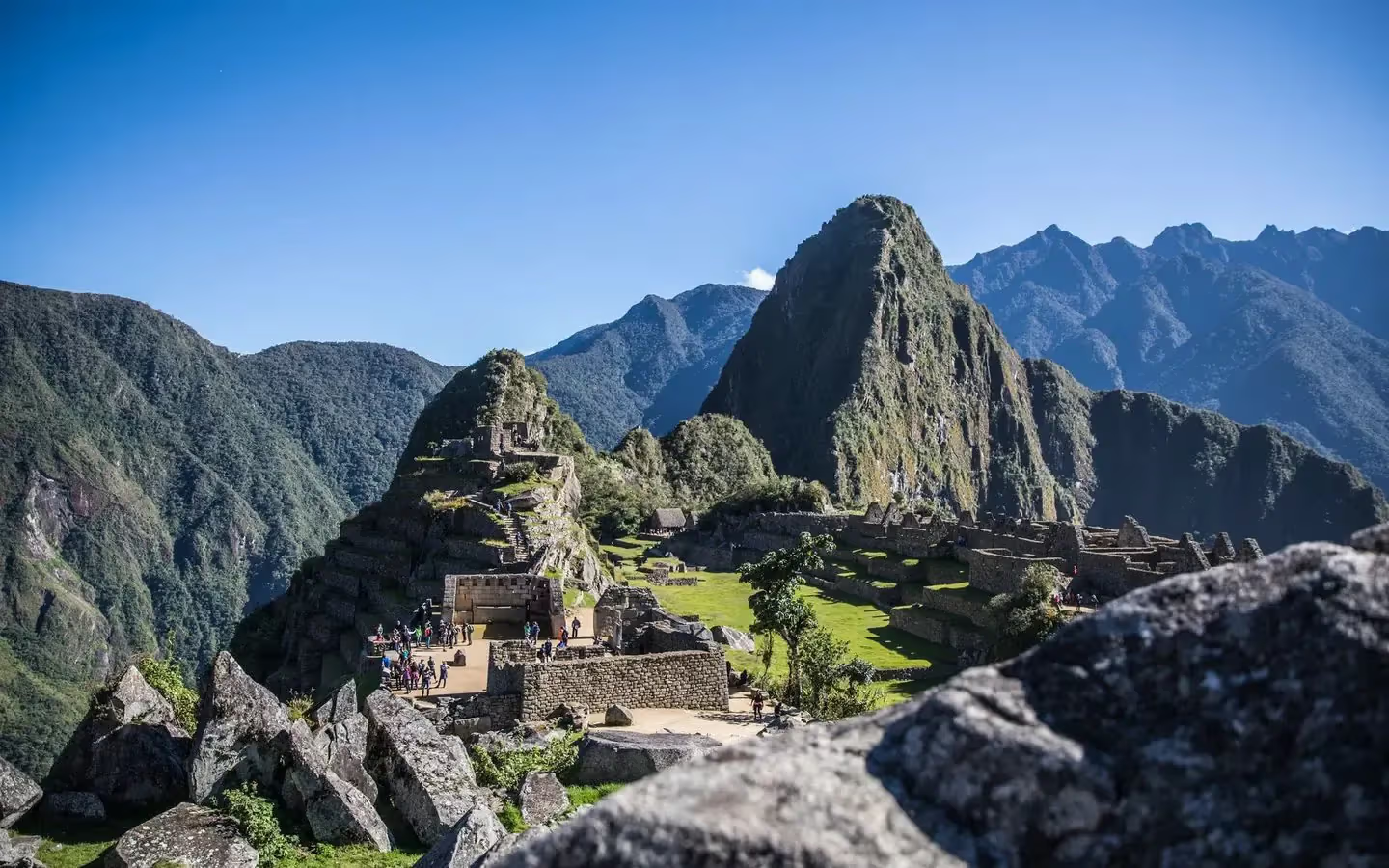
For the trip most people picture, Cusco, the Sacred Valley, Machu Picchu, the Inca Trail and Lake Titicaca, the best time to visit Peru is the dry season, May to September. Clear Andean skies, sunny days, dry trails open for trekking. The peak is June to August: the busiest and priciest stretch, when Inca Trail permits and the best hotels sell out months ahead.
But "best" depends entirely on where you're going, because Peru runs on several calendars at once. The Andes are dry when the Amazon and the Pacific coast are at their wettest or greyest, and the reverse. Once that clicks, the whole map of when to go changes.
And there's one hard rule to plan around: the Inca Trail closes every February for maintenance. If trekking it is the point of your trip, February is out. Here's how the rest of the year breaks down.
Peru's seasons (and why the coast disagrees)
In the Andean highlands, Cusco, Machu Picchu, Lake Titicaca, the year splits cleanly:
- Dry season (May to October). Bright, dry days, cold clear nights, and safe, open trails. This is the trekking and Machu Picchu season. June to August is the peak.
- Wet season (November to April). Green and quiet, with afternoon downpours that get heaviest in January and February. The Inca Trail closes for all of February.
Here's the part that catches people out. The Amazon and the Pacific coast ignore that calendar. Lima and the southern coast (Paracas, Nazca) are sunny and warm from December to April, then vanish under a grey sea mist called the garúa from May to October, exactly when the highlands are at their sunny best. The Amazon, meanwhile, is hot and humid year-round, but has a high-water season (roughly November to April, more boat travel) and a low-water season (roughly May to October, better for hiking and wildlife). A "bad" month for one region is the best of the year in another.
Month by month
May–June
Weather: The dry season opens, and it's lovely. The land is still green from the rains, the skies clear, the trails dry out. Some of the best conditions of the year for the Andes.
Crowds & prices: May is a quiet, excellent-value shoulder month before the peak. June fills as the high season begins.
Highlights: Inti-Raymi, the Inca Festival of the Sun, fills Cusco on 24 June, one of South America's great spectacles. The Inca Trail and Machu Picchu are at their clearest.
July–August
Weather: Peak dry season. Reliably sunny days, cold nights, dusty trails. The most dependable weather for trekking and Machu Picchu views.
Crowds & prices: The busiest and most expensive window, coinciding with European and North American summer holidays. Inca Trail permits for these months sell out five to seven months ahead, book early or miss out.
Highlights: Prime time for the Inca Trail, the Sacred Valley and Lake Titicaca, if you can plan well in advance.
September–October
Weather: The dry season holds through September, with the first occasional showers creeping in by mid-October. Clear, warm, and a touch greener.
Crowds & prices: September is the standout value month, dry-season conditions, far fewer people than August, easier permits. A specialist's favourite.
Highlights: Excellent for trekking and Machu Picchu with breathing room. The Amazon is still in its low-water wildlife season.
November–December
Weather: The wet season begins. Mornings are often clear, with rain building in the afternoons. The highlands turn lush and green.
Crowds & prices: Quiet and good value (outside the Christmas/New Year fortnight). You'll have the Sacred Valley and Machu Picchu far more to yourself.
Highlights: Green landscapes, fewer crowds, and the coast comes into its sunny season, a good time to add Lima, Paracas and the Nazca Lines.
January–February
Weather: The wettest months in the highlands, with heavy afternoon rain. Trails are muddy and views cloudier. The Inca Trail is closed for all of February for annual maintenance.
Crowds & prices: The quietest, cheapest time in the Andes. Machu Picchu stays open year-round (by timed ticket) and is at its most atmospheric in the mist, with hardly anyone there.
Highlights: This is the coast and Amazon's moment, Lima is warm and sunny, and the rainforest is in its high-water season for deeper boat exploration.
March–April
Weather: The rains ease through March and the dry season returns by April. A green, uncrowded transition window, and one of the prettier times in the highlands.
Crowds & prices: A smart, quiet shoulder before the May–August rush. Good value, and the Inca Trail reopens in March.
Highlights: Lush scenery, returning sunshine, and Semana Santa (Holy Week) processions in Cusco and Ayacucho around Easter.
Best time by region
- Cusco, the Sacred Valley, Machu Picchu & the Inca Trail: May to September. Shoulders (May, September) for the best balance of weather, value and space.
- Lake Titicaca & the southern Andes: May to September, dry and clear, though nights are very cold.
- The Amazon (Iquitos, Tambopata): hot and humid all year. Low water (roughly May to October) is best for jungle hiking and wildlife on the riverbanks; high water (roughly November to April) suits deeper boat travel.
- Lima & the Pacific coast (Paracas, Nazca): December to April for sun. From May to October the coast sits under the grey garúa mist, the opposite of the highlands.
For how these link into a route, our tailor-made Peru holidays map out the most popular combinations.
Best time for your kind of trip
- Inca Trail trekkers: May to September for dry, open trails. Avoid wet January, and remember the trail is closed every February. Permits are capped and sell out months ahead, the full how-to is in our Inca Trail to Machu Picchu guide.
- Machu Picchu by train (no trek): any time of year. The dry season is clearer; the rainy season is greener, mistier and far quieter.
- Amazon wildlife: May to October, in the low-water season.
- Festival-goers: late June for Inti Raymi in Cusco; Easter for Semana Santa.
- Best value & fewest crowds: May, September to early October, and November.
Our verdict: go in May or September
Almost everyone is told June to August. We'd point you at the shoulders instead, May or September. You get the same dry-season skies and open trails, but with noticeably thinner crowds, far better Inca Trail permit availability, and lower prices. May, just after the rains, is at its greenest; September is reliably clear and settled. The trade-off, a marginally higher chance of a passing shower, is small against what you gain in space, value and ease of booking. If your heart is set on the absolute clearest skies and you can plan a long way ahead, July and August deliver them; for everyone else, the shoulders are the smarter trip.
Getting there, altitude, and when to book
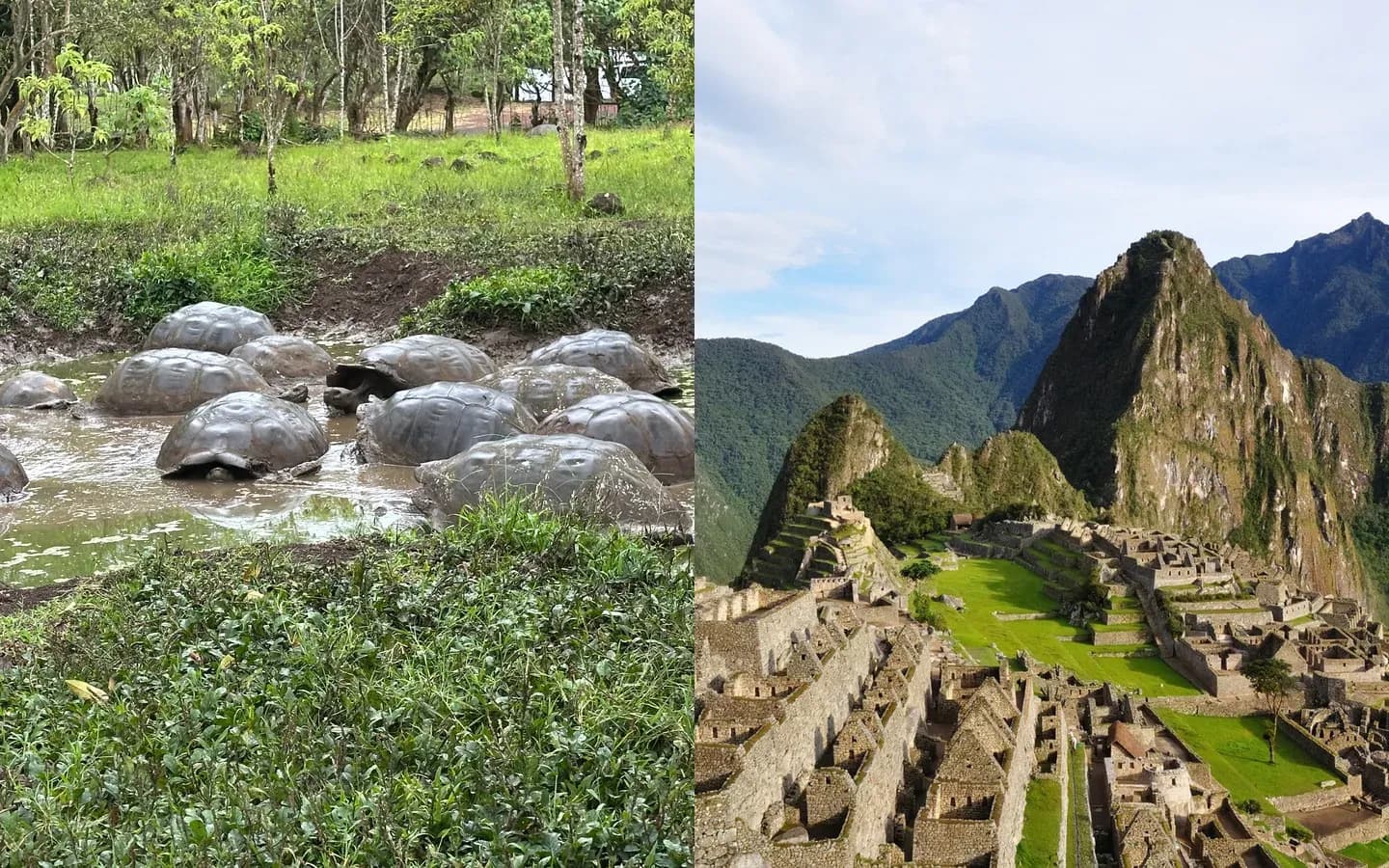
There are no direct flights from the UK to Peru. You fly to Lima, usually via Madrid, Amsterdam or the US, then take a short domestic hop up to Cusco. Altitude is the thing to plan around: Cusco sits at 3,400 m, and the Inca Trail's highest pass tops 4,200 m, so build in time to acclimatise. A night or two first in the lower Sacred Valley (around 2,800 m) is gentler than heading straight up to Cusco. Peru also pairs beautifully with Ecuador's islands, our Galápagos & Machu Picchu twin-centre holiday builds both into one trip.
And book earlier than feels necessary. Inca Trail permits are strictly capped and sell out for the dry-season months five to seven months ahead; Machu Picchu's timed-entry tickets and the best Sacred Valley hotels are limited too. When you have a rough idea of your dates and what you most want to do, tell us and we'll line the seasons, the permits and the route up around it.
Frequently Asked Questions
May or September. Both sit in the dry season (May–September) that's ideal for Machu Picchu, the Inca Trail and the Andes, but with fewer crowds, easier permits and better value than the July–August peak. Bear in mind the coast (best December–April) and the Amazon run on different calendars to the highlands.
Plan Your Peru Trip
Tell us what you want to see, and roughly when, and our specialists will shape a tailor-made Peru itinerary around the seasons and the Inca Trail permit calendar. ATOL protected.
MORE FROM TRAVELFAB
Holidays you might like
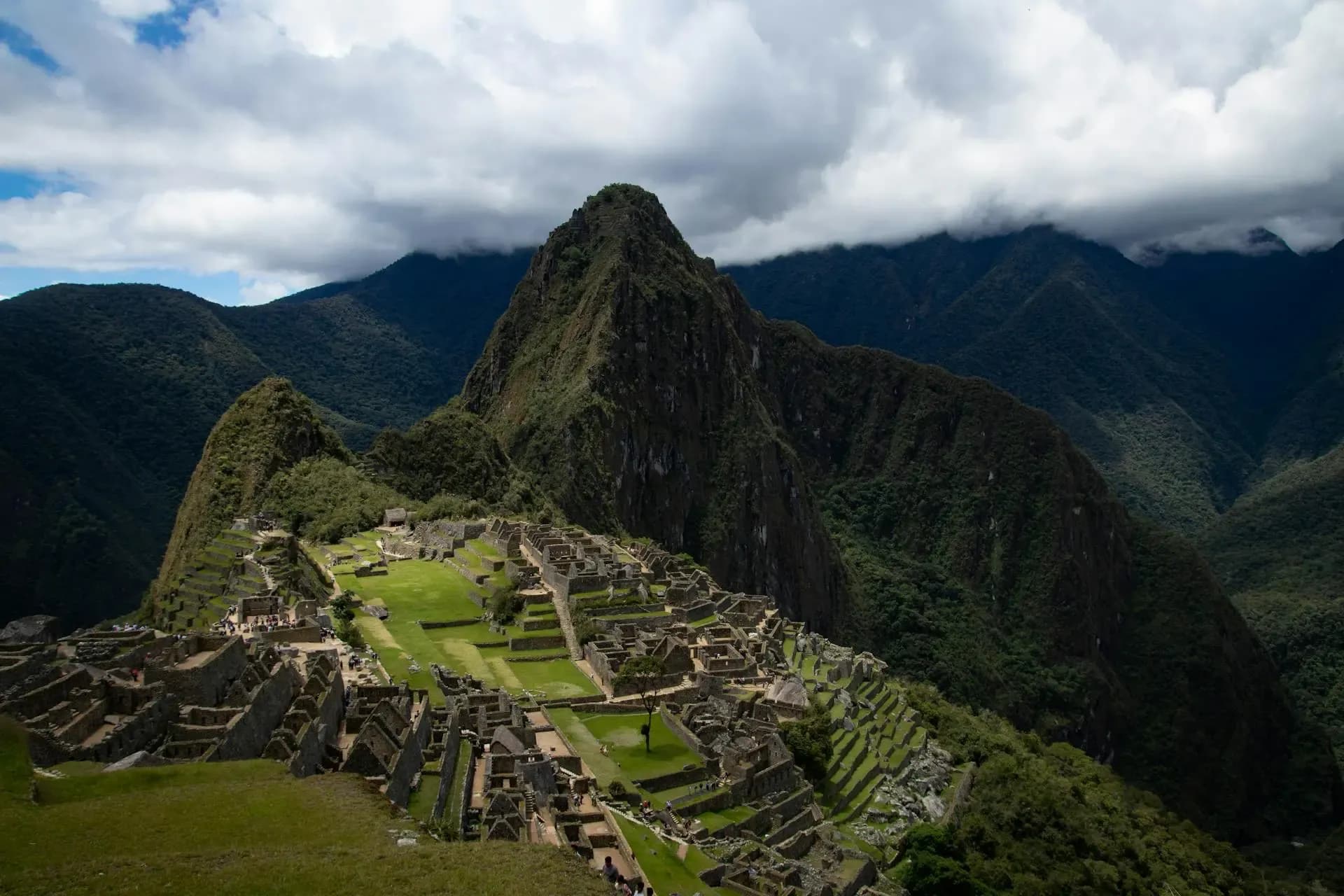
DESTINATIONS
Explore these places
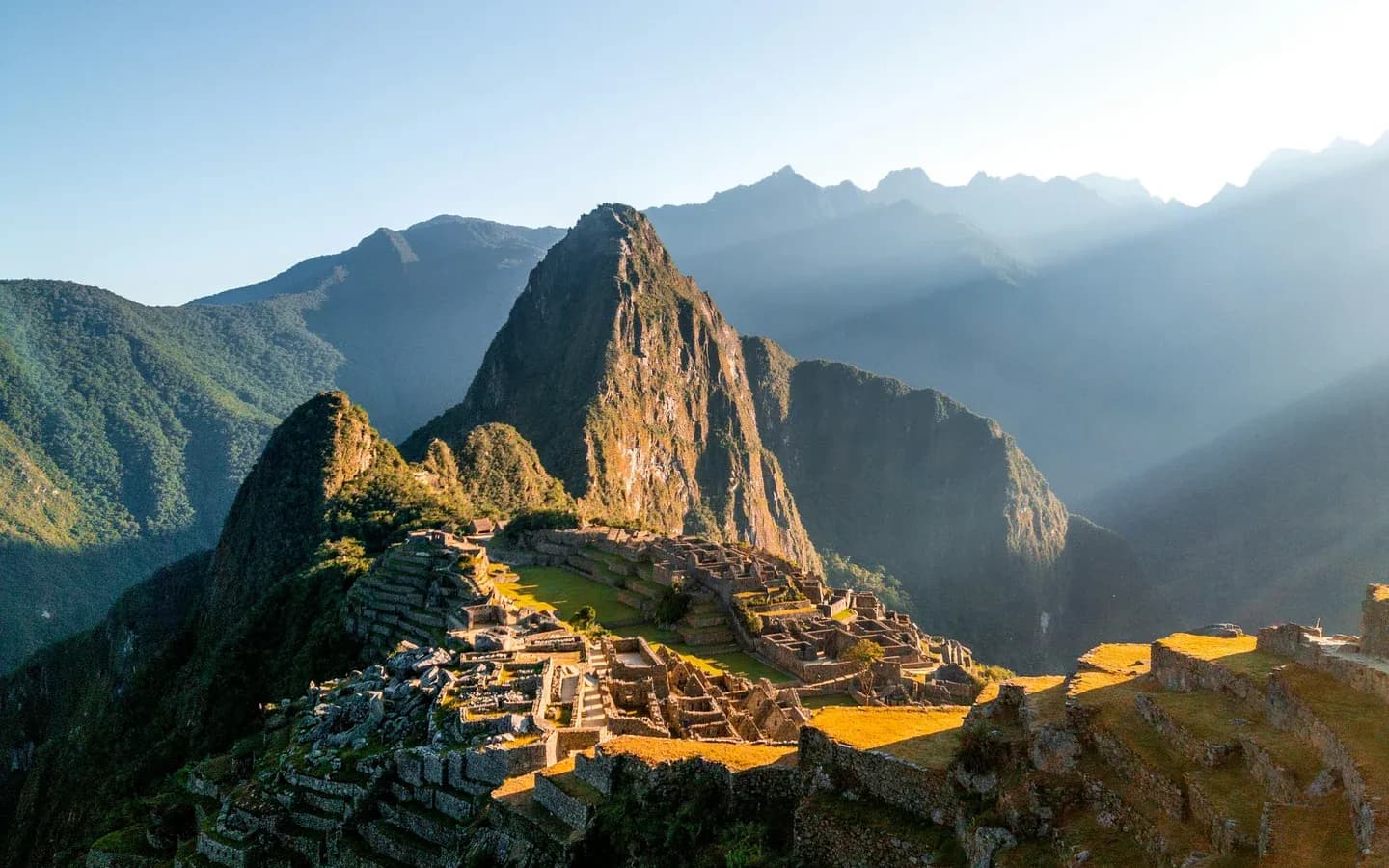
Peru
Discover Peru with Travelfab. Trek the Inca Trail to Machu Picchu, explore the Amazon and hike the Andes. ATOL-protected active holidays from the UK.
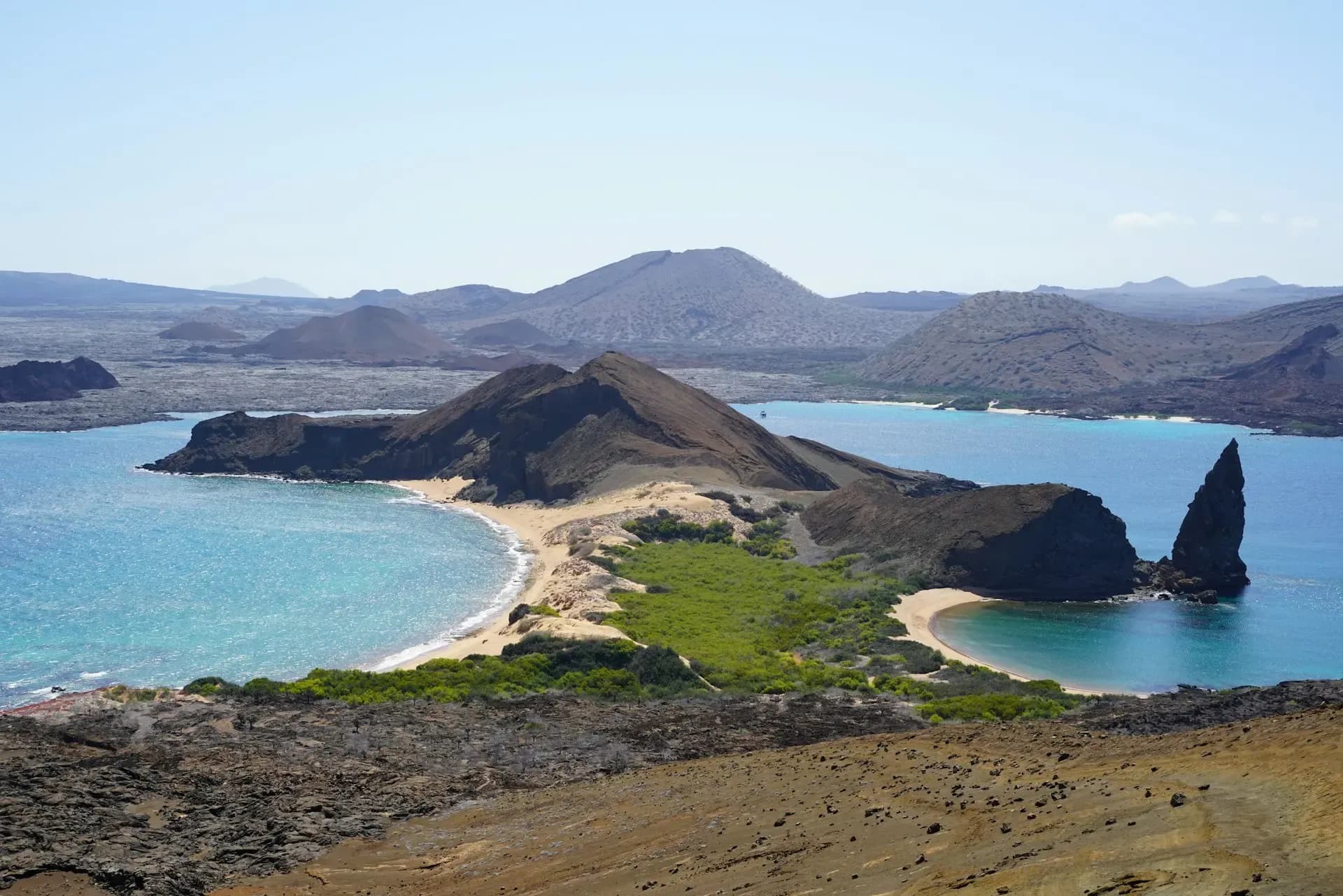
Galapagos Islands
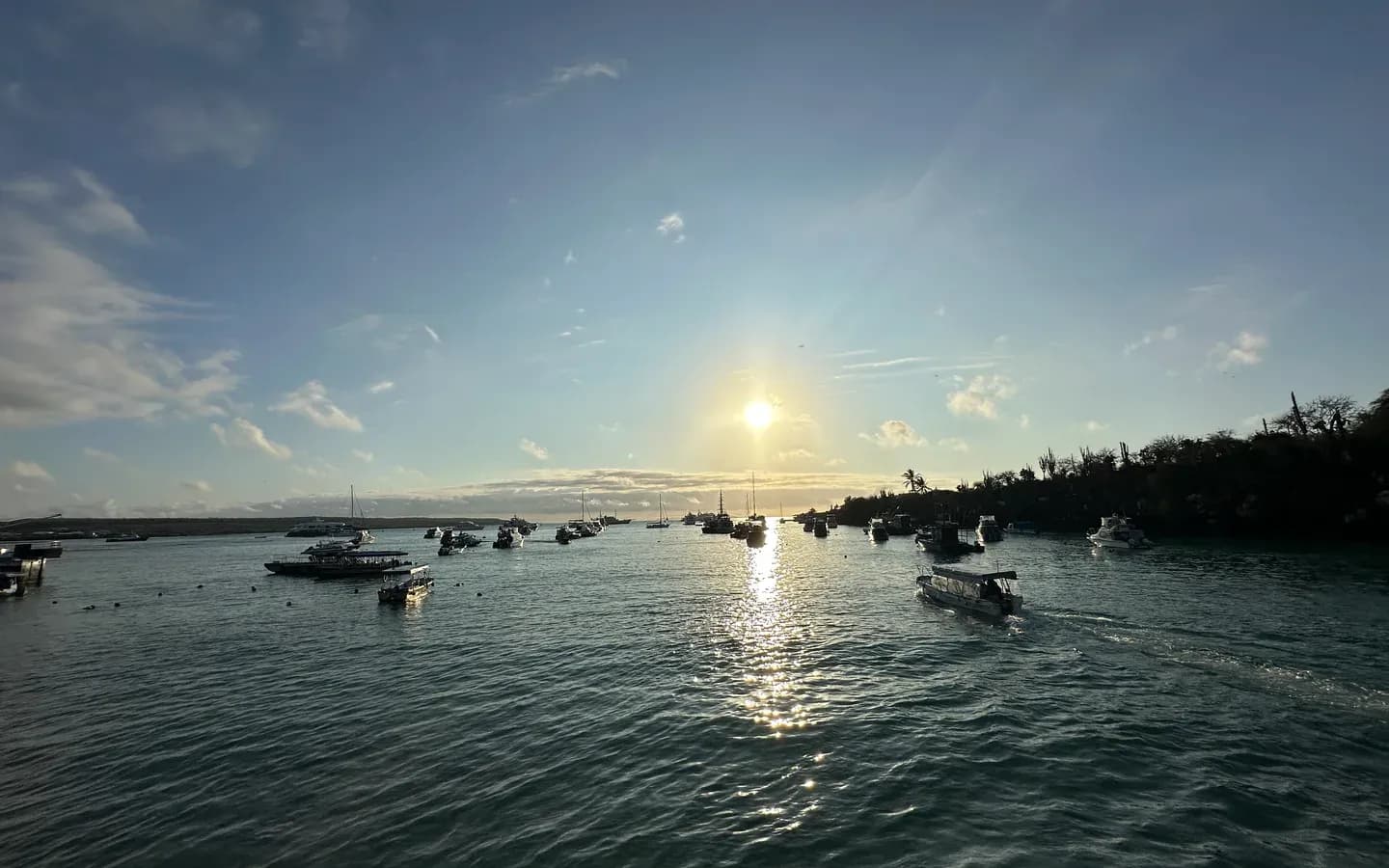
Galapagos Islands expedition cruises with expert naturalist guides. Giant tortoises, marine iguanas, blue-footed boobies. ATOL-protected UK specialist.