
DESTINATION GUIDES
The Inca Trail to Machu Picchu: A UK Traveller's Guide
How to walk the Inca Trail to Machu Picchu: permits, the 4-day route, difficulty, best time to go, and alternatives if it's sold out.

The short answer
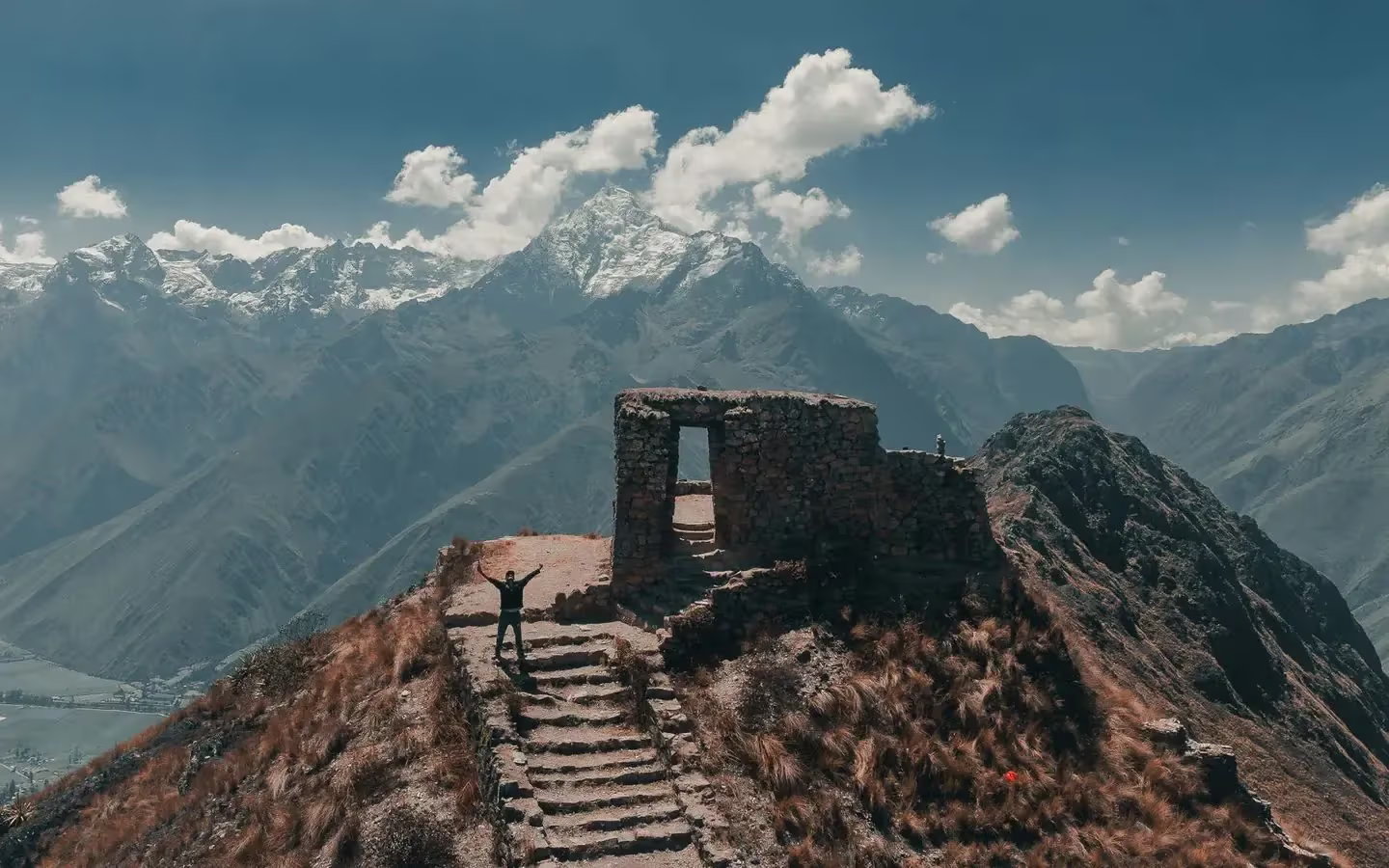
The classic Inca Trail is a four-day, three-night trek of around 40–43 km that climbs from Km 82 in the Sacred Valley, through cloud forest and a string of Inca ruins, to the Sun Gate, where Machu Picchu finally opens up below you at dawn on the last morning. It is the only route that reaches Machu Picchu on foot through the Sun Gate, and the only one that needs a permit.
It is moderately challenging, the altitude is the real test, and two things will shape your planning above all else: permits are strictly capped and sell out months ahead, and the trail closes for the whole of February every year. Here is everything a UK traveller needs to plan it properly.
Permits: sort this first
Everything else follows from the permit, so start here.
They are capped. The authorities cap total Inca Trail permits at roughly 500 per day, but that figure includes guides, porters and cooks, so only around 200 are available to trekkers. They go quickly.
You cannot trek it independently. Permits are issued only to licensed operators, are tied to your passport, and are non-transferable. You must book through an authorised tour operator (this is exactly what we handle).
Book early. For the dry-season months (May–September), permits typically sell out five to seven months ahead, and popular dates, around Inti Raymi in late June, can go sooner. Permits for the whole year are released in the latter half of the previous year, typically around October.
Closed February. The classic trail shuts for all of February each year for maintenance and conservation.
The classic four-day route
Here is what the trek actually involves, day by day.
Day 1, Km 82 to the first camp. Gentle valley walking to ease you in, past the ruins of Llactapata, ending at a riverside camp.
Day 2, the hard day. The long climb to Dead Woman's Pass (Warmiwañusca), the trek's highest point at around 4,200 m, then a steep descent. This is where the altitude bites; it's the toughest few hours of the trip.
Day 3, the beautiful day. A longer but easier day on a spectacular cloud-forest trail, past the ruins of Sayacmarca, Phuyupatamarca and Wiñay Wayna.
Day 4, Machu Picchu. A pre-dawn start to reach the Sun Gate (Inti Punku) for sunrise over Machu Picchu, then the walk down into the citadel for your guided tour.
How hard is it? Altitude and fitness
The distance, around 40–43 km over four days, is manageable for anyone reasonably fit and used to a few days of walking. The altitude, not the mileage, is the real challenge.
The single most important thing you can do is acclimatise before you start. Spend two or three days in Cusco (3,400 m) or, gentler still, the lower Sacred Valley (around 2,800 m) before the trek. Don't fly in and set off the next morning. Porters carry the camp and most of the gear, you walk with a light daypack, and good operators (ours included) cap porter loads and look after their crews properly.
When to go
The dry season, May to September, is the best time to walk the Inca Trail: dry, safe trails and clear Andean skies, though it's also the busiest. April and October are quieter shoulder months with generally decent conditions. Avoid January, the wettest month, and remember the trail is closed in February. For the best balance of weather, crowds and permit availability, aim for May or September, there's a full breakdown in our best time to visit Peru guide.
If the Inca Trail is sold out, or not for you
If permits have gone, or four days of camping isn't your idea of a holiday, you still have excellent options:
Salkantay Trek, the top alternative. No permit cap, higher and wilder, usually five days, with glacier and high-mountain scenery. Many seasoned trekkers prefer it.
Lares Trek, gentler and more cultural, passing traditional Andean weaving villages, finishing with the train up to Machu Picchu.
The short Inca Trail, typically a two-day, one-night route from Km 104 that still walks the final, scenic stretch through the Sun Gate. A shorter commitment, and usually easier to get a permit for than the four-day trail. Ideal if you want the iconic arrival on foot without the full camp.
The train, no trekking at all. The scenic train to Aguas Calientes, then a bus up to the citadel. Comfortable, year-round and family-friendly.
How we put it together
Our Inca Trail to Machu Picchu holiday (14 days, from £6,099 per person) wraps the trek into a full Peru trip, Lima, Cusco, the Sacred Valley for acclimatisation, the trail itself, Machu Picchu, and the option to add the Amazon or pair it with the Galápagos. We secure the permits in your name, sort the timed Machu Picchu tickets, and pace the whole route around the altitude. Browse our tailor-made Peru holidays, or tell us your dates and we'll start with the permit.
Frequently Asked Questions
Only through a licensed tour operator, you cannot buy one independently or trek without one. Permits are issued in your passport name, are non-transferable, and are capped at around 200 trekkers a day. They sell out five to seven months ahead for the dry season, so book early through your operator.
Plan Your Inca Trail Trek
We secure the permits, build in acclimatisation and handle every detail, so you can focus on the trail. Tell us your dates, ATOL protected.
MORE FROM TRAVELFAB
Holidays you might like
DESTINATIONS
Explore these places
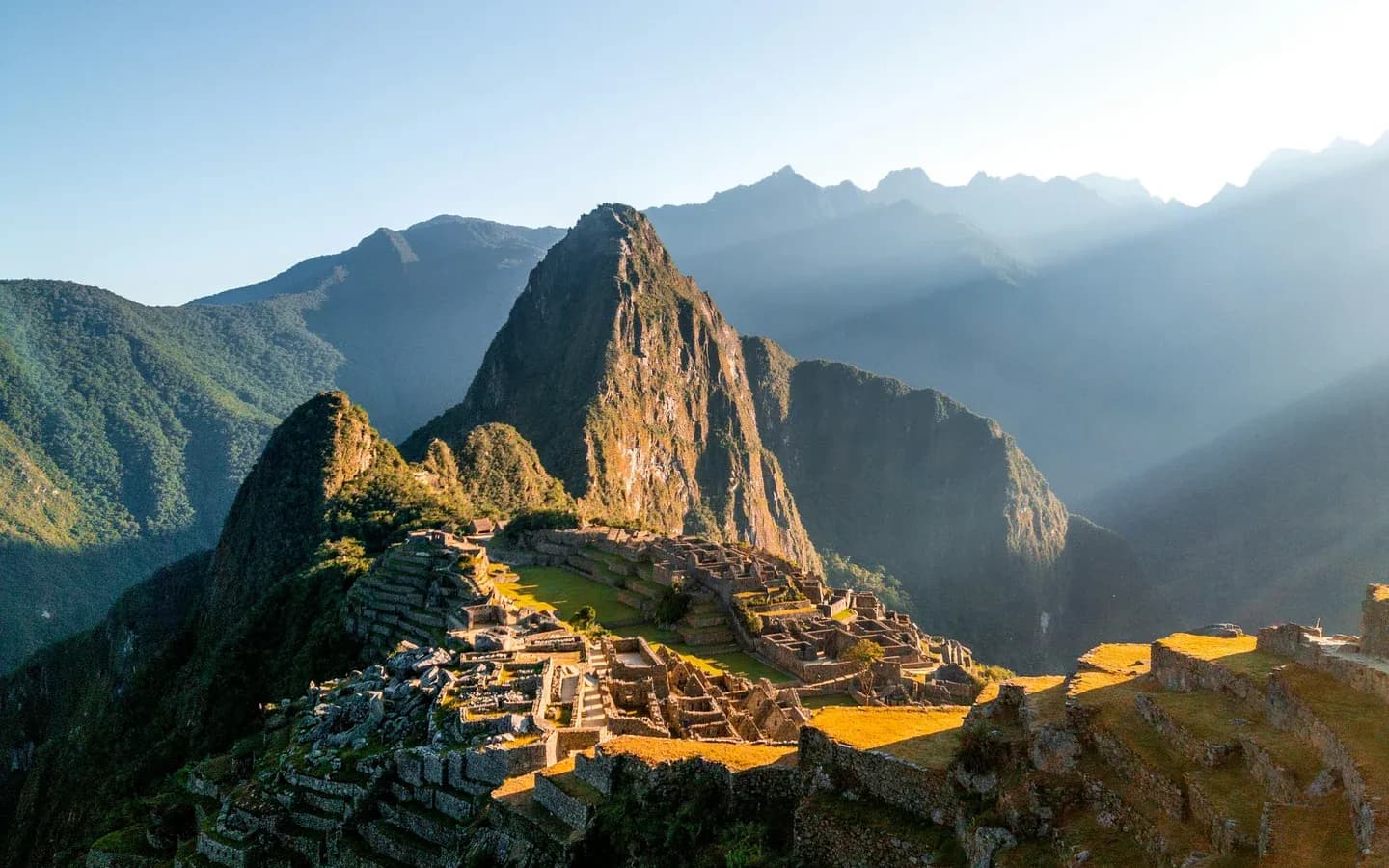
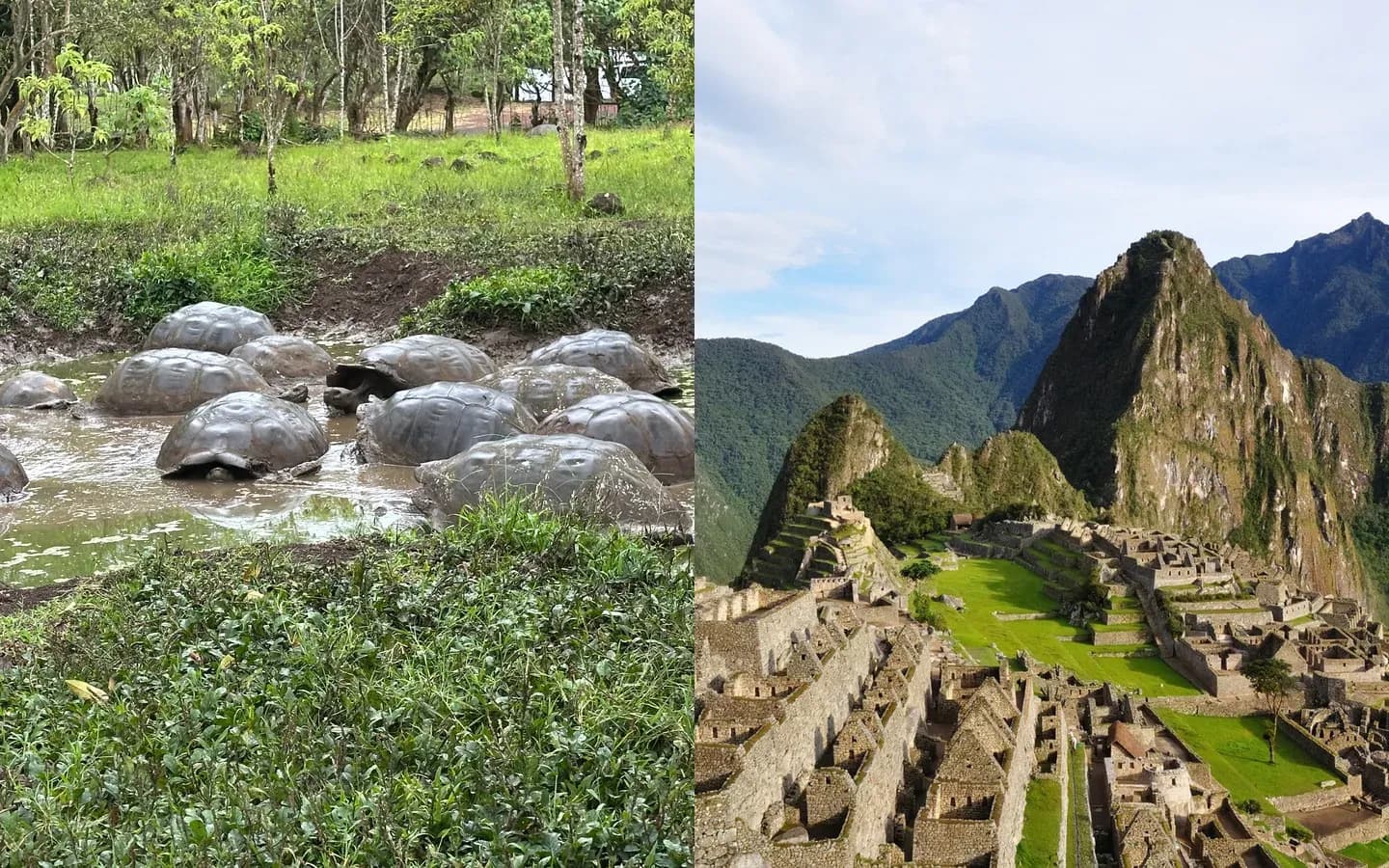
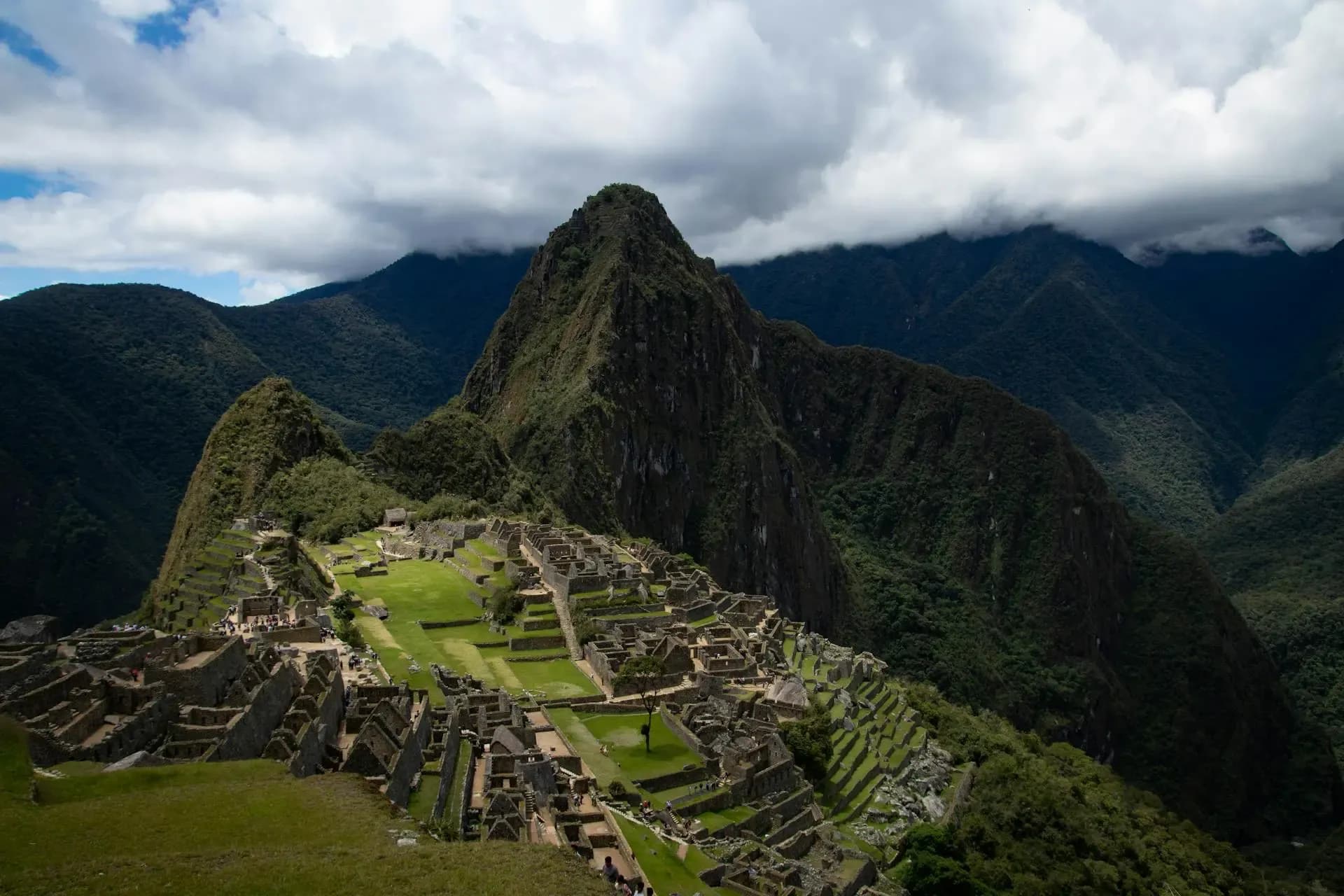
Peru
Discover Peru with Travelfab. Trek the Inca Trail to Machu Picchu, explore the Amazon and hike the Andes. ATOL-protected active holidays from the UK.
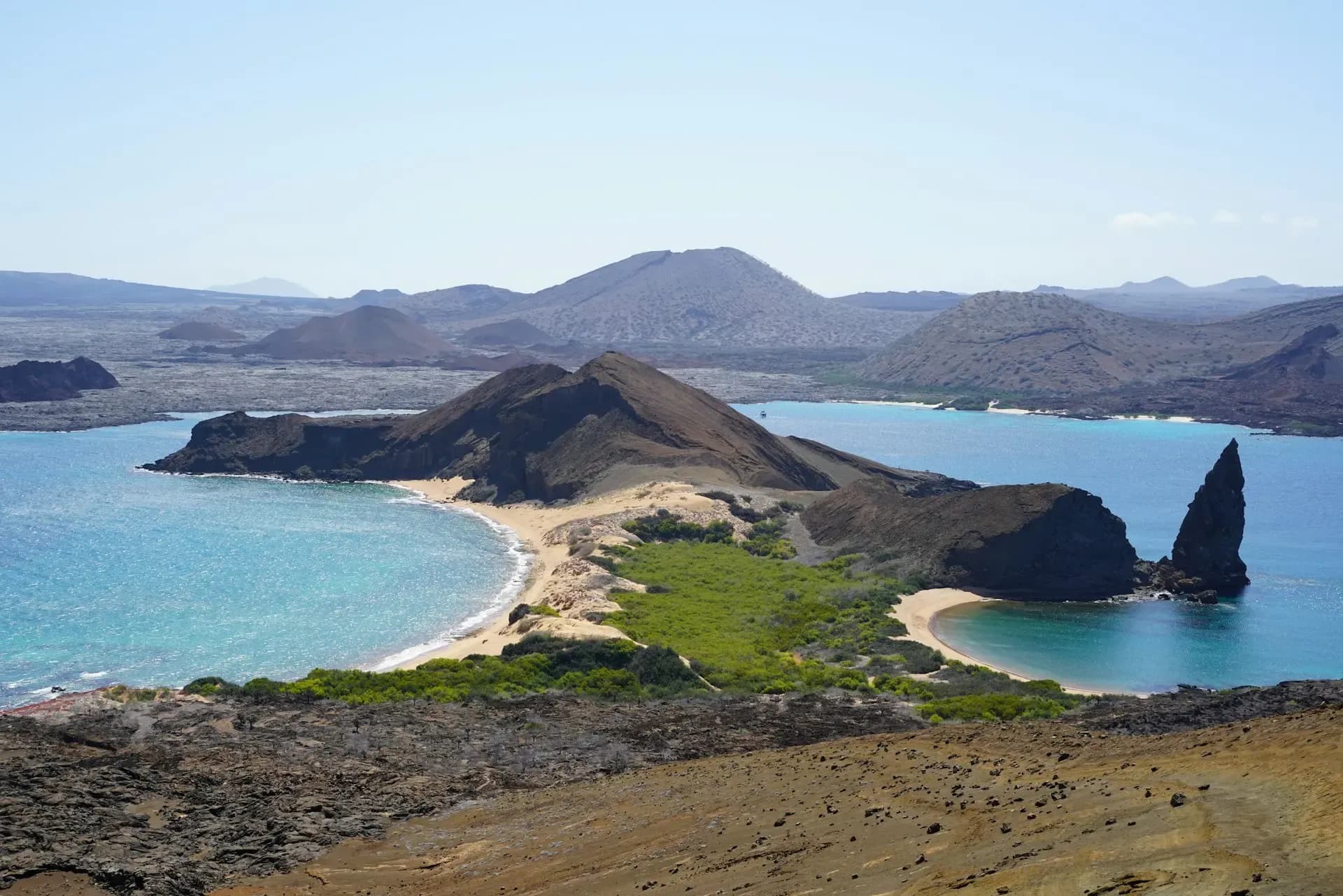
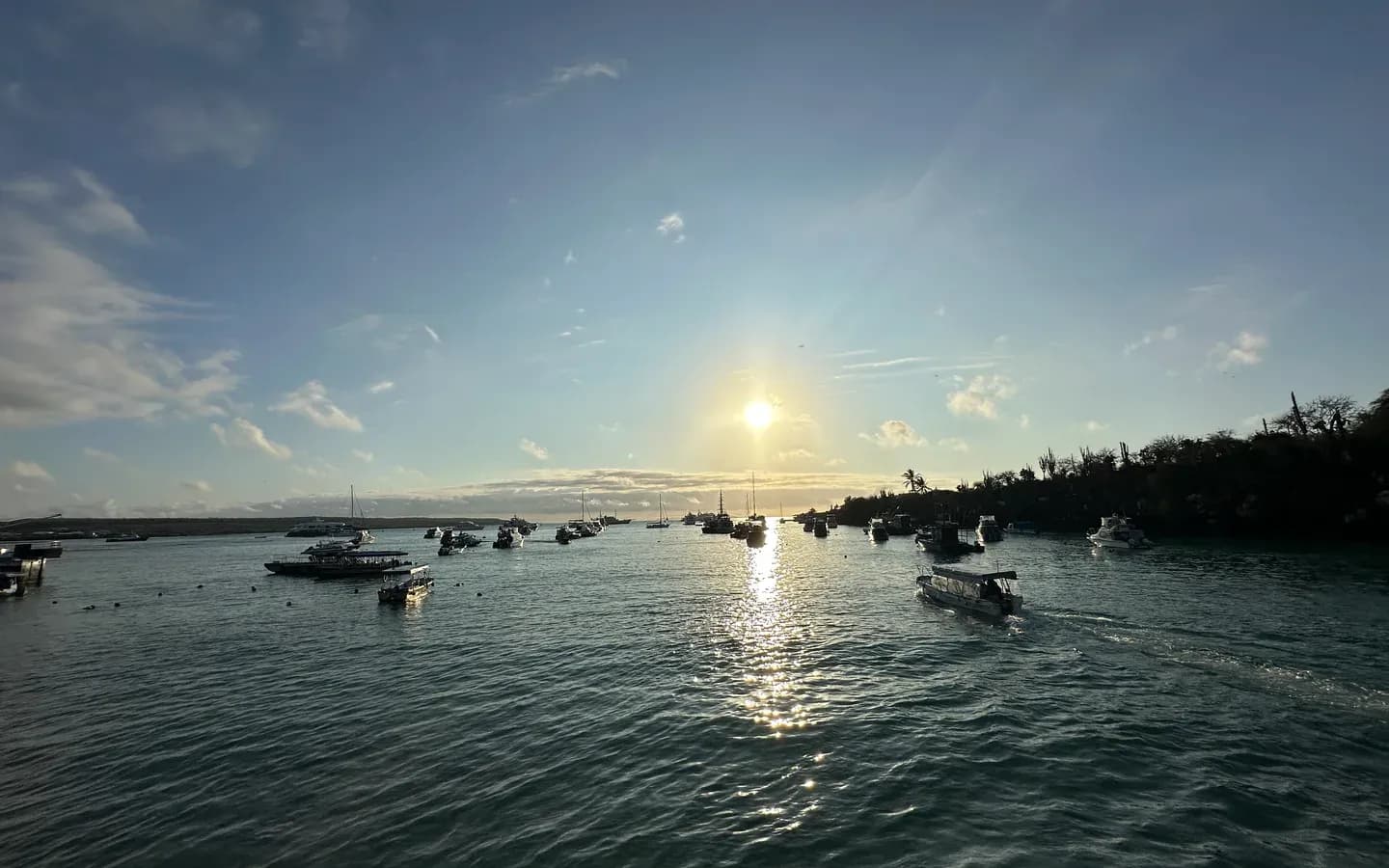
Galapagos Islands
Galapagos Islands expedition cruises with expert naturalist guides. Giant tortoises, marine iguanas, blue-footed boobies. ATOL-protected UK specialist.
KEEP READING
More stories
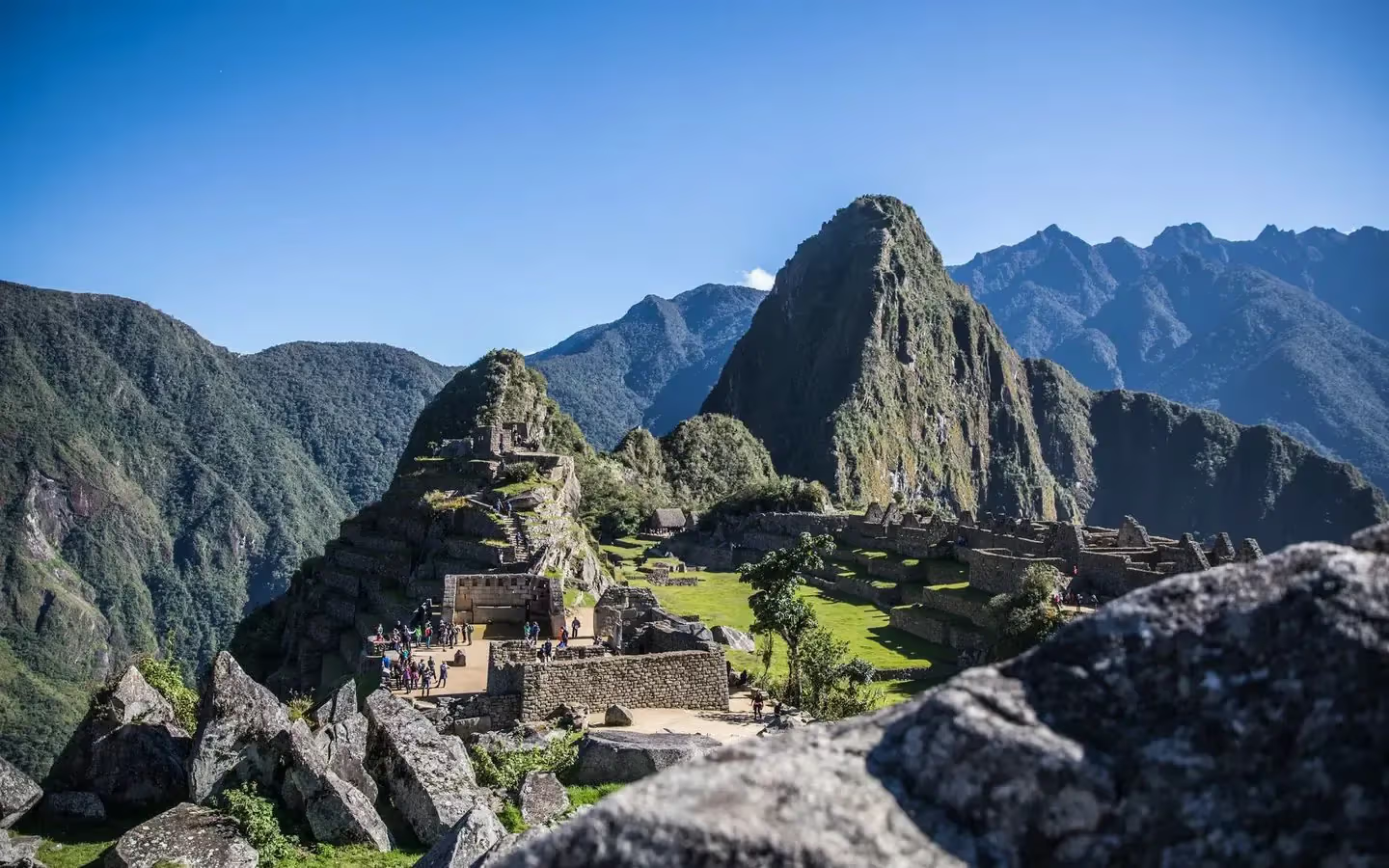
Best Time to Visit Peru: Machu Picchu, the Andes & When to Go
A Peru specialist's month-by-month guide, the dry season, and the surprising best time for Machu Picchu, the Inca Trail, the Amazon and the Lima coast.
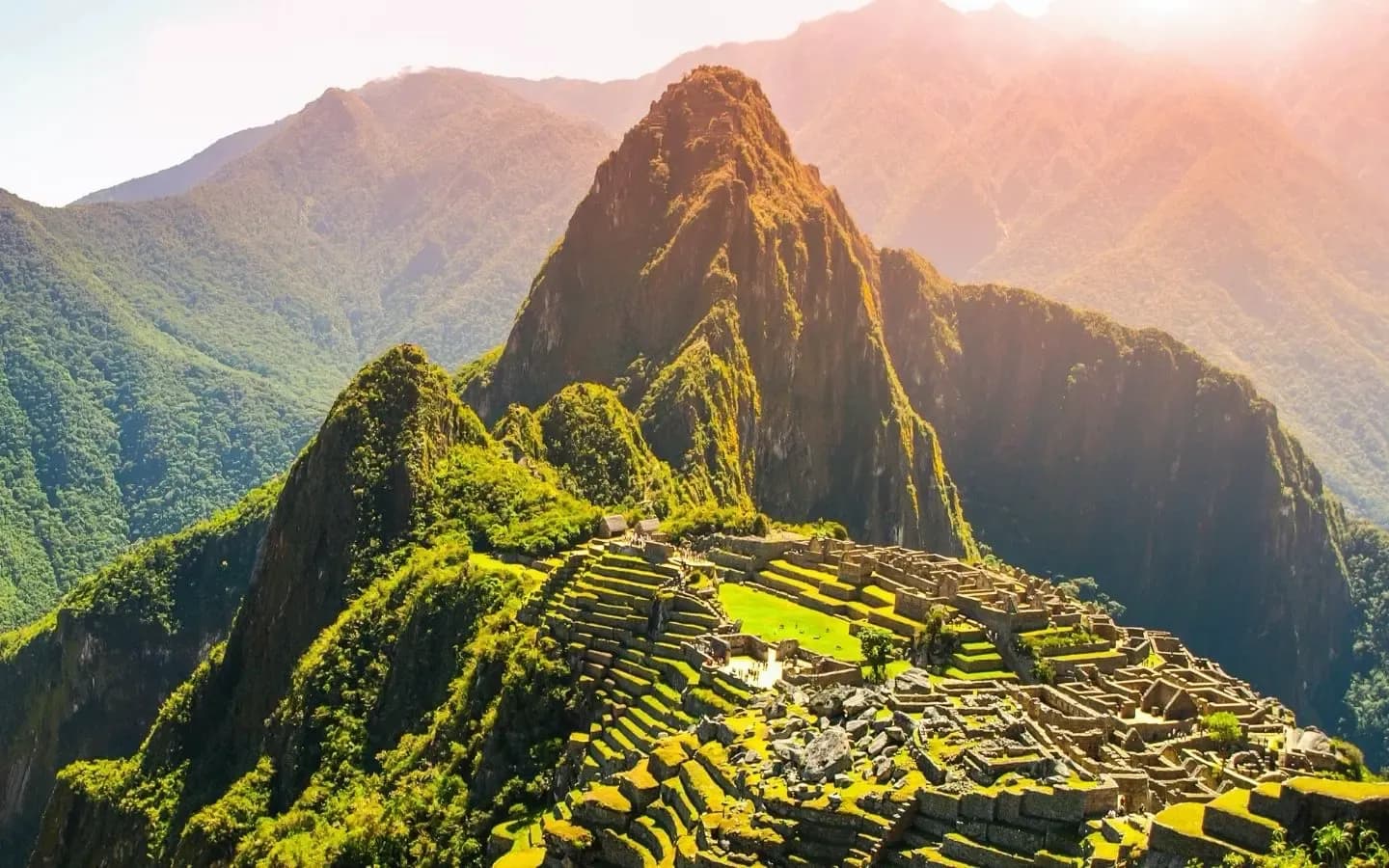
Peru Travel Guide 2026: Machu Picchu, the Andes & Amazon
Peru for UK travellers: Machu Picchu and the Inca Trail, Cusco and the Sacred Valley, Lima's food and the Amazon. When to go and how long you need.