
DESTINATION GUIDES
Colombia Travel Guide 2026: Cartagena, Coffee Country & Beyond
Complete Colombia travel guide for UK visitors. Cartagena, Bogota, coffee region, Caribbean coast, safety tips and best time to visit.
Colombia has undergone one of the most remarkable transformations in modern travel. A country once avoided by tourists is now one of South America's most exciting destinations, a place where colonial grandeur meets vibrant street art, where the Andes meet the Caribbean, and where the coffee is quite possibly the best you will ever taste.
This guide covers everything UK travellers need to know about visiting Colombia in 2026, from the essential highlights to the practical details that will make your trip unforgettable.
Cartagena: The Jewel of the Caribbean
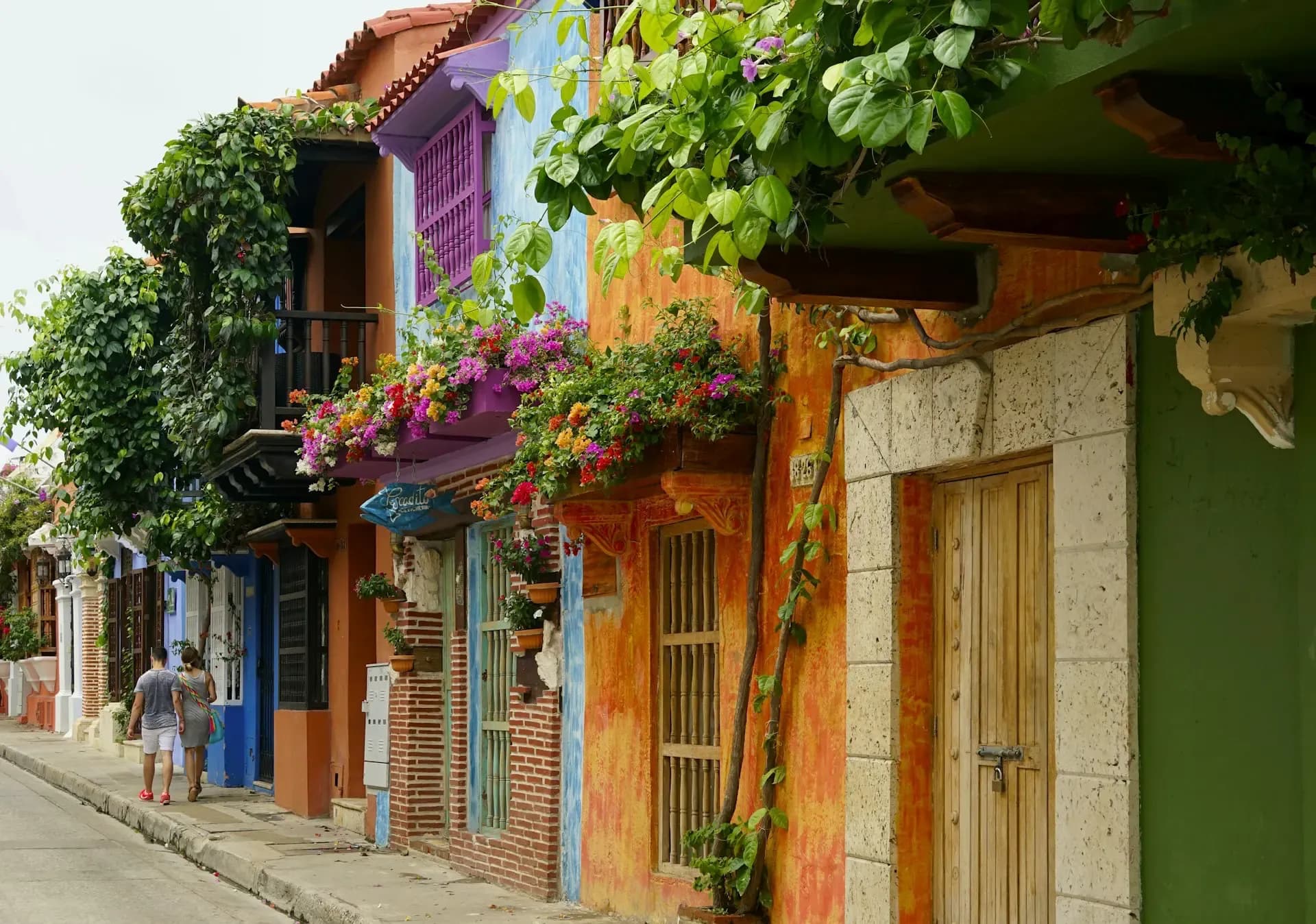
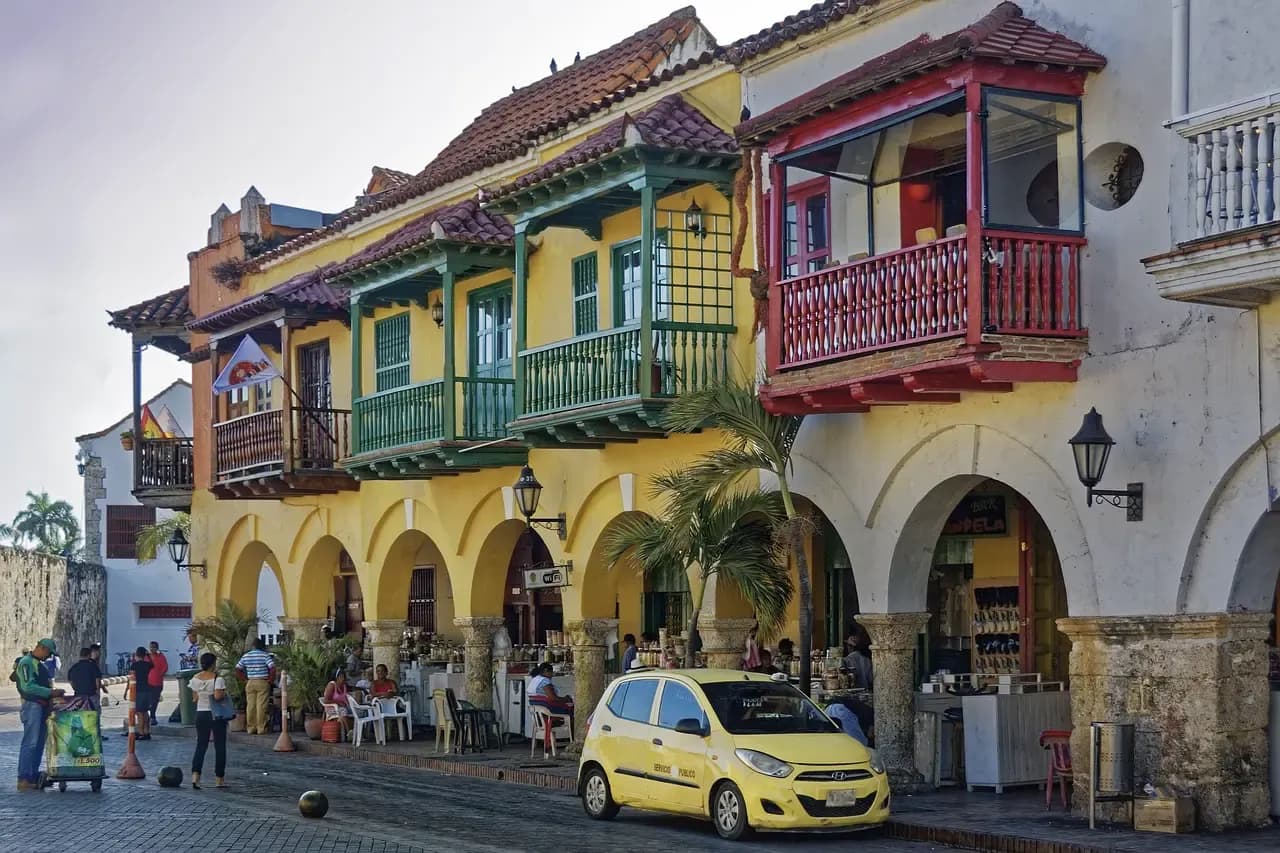
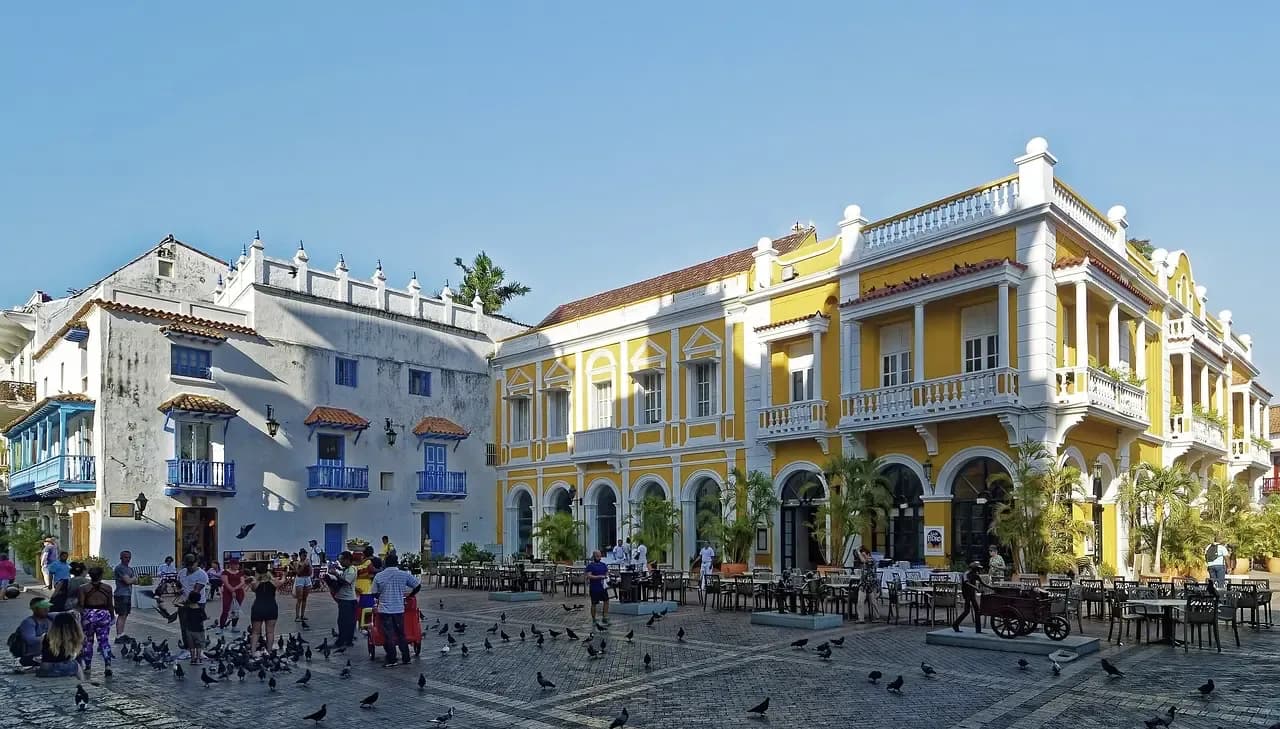
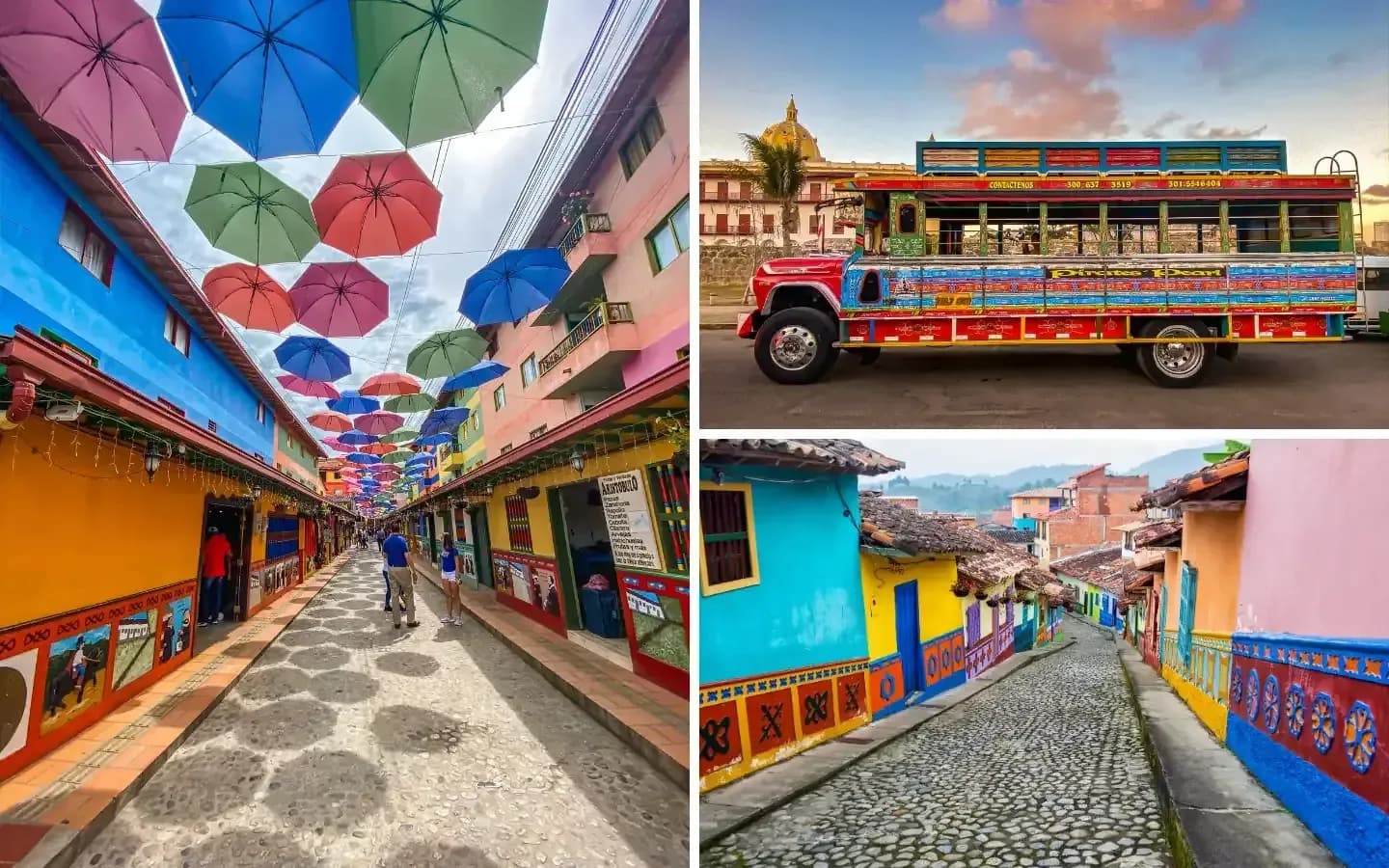
Cartagena de Indias is Colombia's crown jewel, a fortified colonial city on the Caribbean coast that looks like it was painted in every colour imaginable. The Old Town is a UNESCO World Heritage Site and one of the most photogenic places in the Americas.
Old Town (Ciudad Amurallada)
The walled city is made for wandering. Every corner reveals something beautiful:
Bougainvillea-draped balconies overhanging narrow cobblestone streets
Plaza Santo Domingo, The liveliest square, surrounded by restaurants with a Botero sculpture at its centre
Castillo de San Felipe, The massive Spanish fortress overlooking the city. Walk the tunnels and ramparts for panoramic views.
Palace of the Inquisition, A beautifully restored colonial building housing a sobering museum of the Spanish Inquisition
Las Bovedas, Former military vaults converted into artisan shops and galleries
Getsemani
Just outside the walls, Getsemani is Cartagena's most vibrant neighbourhood. Once a working-class barrio, it is now the city's creative heart, covered in street art murals, with rooftop bars, independent restaurants and the buzzing Plaza de la Trinidad.
Rosario Islands
A 45-minute boat ride from Cartagena, the Islas del Rosario offer crystal-clear Caribbean water, coral reefs, and tiny islands with beach clubs. Perfect for a day trip or overnight stay.
Bogota: Culture at Altitude
Colombia's capital is a sprawling, energetic metropolis at 2,640 metres in the Andes. It is the cultural engine of the country, world-class museums, a thriving food scene, and a creative energy that is palpable.
Must-See Highlights
La Candelaria, The colonial heart of the city with cobbled streets, street art, universities and Bogota's best museums
Museo del Oro (Gold Museum), The finest collection of pre-Hispanic gold artefacts in the world. Over 55,000 pieces. Free admission on Sundays.
Museo Botero, A free museum housing Fernando Botero's distinctive paintings and sculptures, alongside works by Picasso, Monet and Dali
Monserrate, Take the funicular or cable car to this mountaintop church at 3,152 metres for stunning views over the entire city
Usaquen, A charming northern neighbourhood with a Sunday flea market, excellent restaurants and a village-within-a-city atmosphere
Bogota's Food Scene
Bogota is quickly establishing itself as a culinary destination:
Ajiaco, The signature Bogota dish: a hearty chicken and potato soup with cream, capers and avocado
Leo Cocina y Cava, Chef Leonor Espinosa's celebrated restaurant, consistently ranked among Latin America's best
Paloquemao Market, A vast, colourful produce market with exotic fruits you have never seen before. Try lulo, guanabana, and feijoa.
The Coffee Region (Eje Cafetero)
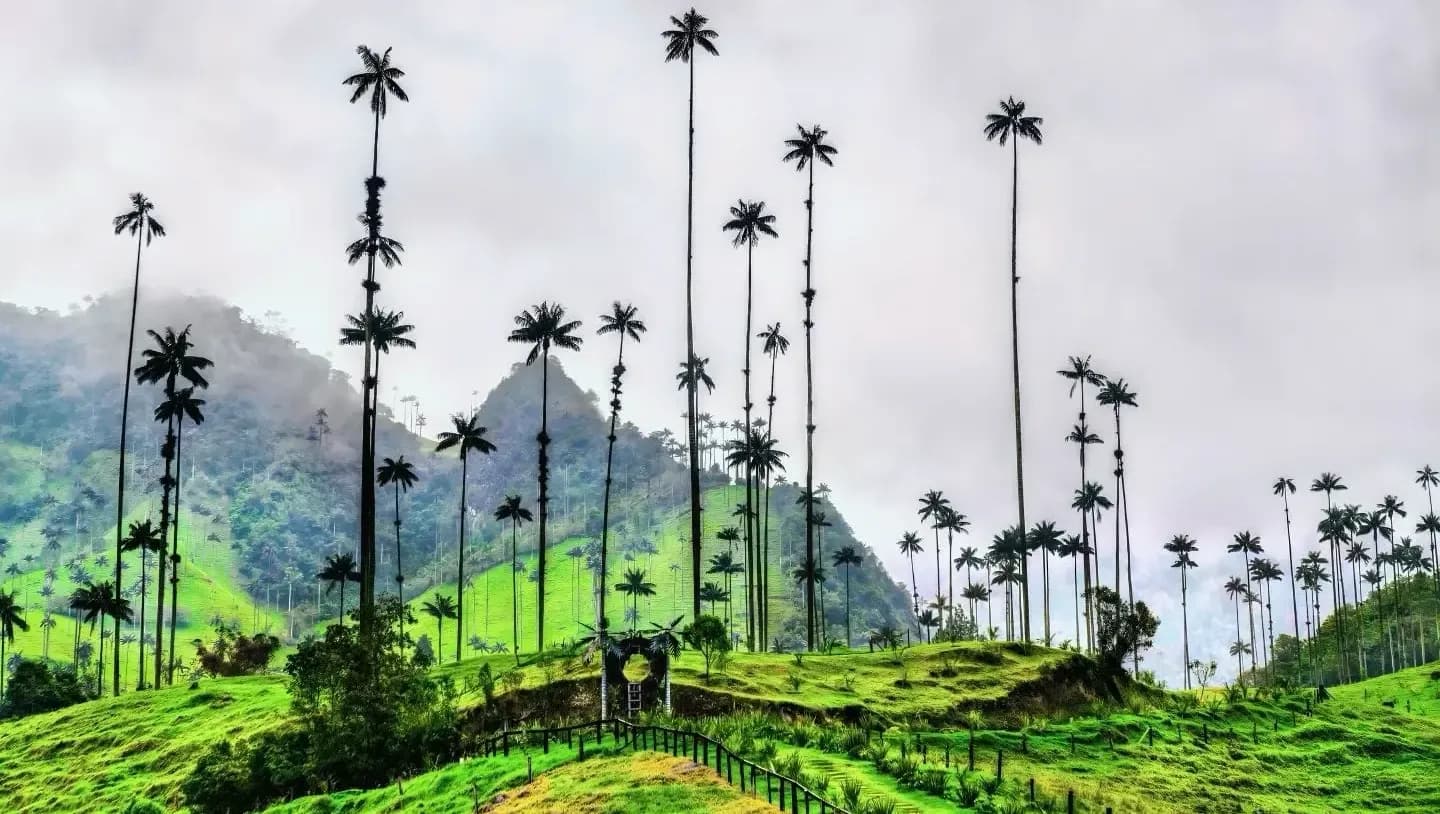
Colombia's Coffee Triangle, the departments of Caldas, Quindio and Risaralda, is where some of the world's finest arabica coffee is grown. The landscape of rolling green hills, colourful fincas (farms) and towering wax palms is a UNESCO Cultural Heritage Landscape.
What to Do
Coffee farm tours, Visit a working finca to see the entire process from cherry to cup. Taste freshly roasted Colombian coffee at the source.
Cocora Valley, Home to Colombia's national tree, the wax palm (palma de cera). These extraordinary palms grow up to 60 metres tall in a misty mountain valley. The hike through the valley is one of Colombia's most iconic experiences.
Salento, A perfectly preserved colonial coffee town with colourful facades, artisan shops and excellent trout restaurants. The gateway to the Cocora Valley.
Filandia, A quieter alternative to Salento with equally charming architecture and a stunning mirador (viewpoint) over the coffee landscape
Termales de Santa Rosa, Natural hot springs in the mountains, a perfect way to end a day of hiking
Medellin: City of Eternal Spring
Medellin, once notorious, now one of South America's most innovative cities, sits in a lush valley at 1,500 metres with a near-perfect year-round climate (20-28°C).
Highlights
Comuna 13, Once the most dangerous neighbourhood in the city, now a vibrant open-air gallery with street art tours, escalators connecting the hillside community, and hip-hop culture
Jardin Botanico, A peaceful oasis in the city centre with an impressive orchid collection
Parque Arvi, A nature reserve accessible by the Metro Cable gondola, with hiking trails and rural life
El Poblado, The upscale neighbourhood with Medellin's best restaurants, bars and boutique hotels
Guatape, A colourful lakeside town 2 hours from Medellin, famous for the 740-step climb up the Piedra del Penol rock for extraordinary views
The Caribbean Coast
Beyond Cartagena, Colombia's Caribbean coast offers diverse experiences:
Santa Marta, Colombia's oldest city, gateway to Tayrona National Park
Tayrona National Park, Pristine jungle-backed beaches where the Sierra Nevada meets the Caribbean Sea. Trek through rainforest to reach secluded bays.
The Lost City (Ciudad Perdida), A 4-5 day trek through jungle to a pre-Colombian city that predates Machu Picchu by 650 years. Far fewer visitors, equally breathtaking.
Palomino, A laid-back beach village popular for tubing down the river to the sea
Colombian Food & Drink
Colombian cuisine varies dramatically by region:
Bandeja Paisa (Medellin), The national dish: a platter of beans, rice, chicharron, fried egg, plantain, avocado and ground beef. Not for the faint-hearted.
Ceviche (Caribbean coast), Fresh seafood with lime, coconut and aji pepper
Ajiaco (Bogota), Chicken and potato soup with three types of potato
Empanadas, Everywhere. Crispy corn parcels filled with meat and potato
Colombian coffee, Simply the best. Order a tinto (small black coffee) for pennies at any street stall
Aguardiente, The national spirit, anise-flavoured. Offered at every celebration.
Best Time to Visit Colombia
Colombia is a year-round destination thanks to its equatorial position, but seasons vary by region:
December to March: The main dry season. Best for Cartagena, the Caribbean coast and the coffee region.
July to August: A second dry spell, especially in the Andes. Good for Bogota, Medellin and trekking.
April to June and September to November: Wetter months, but rain typically falls in short afternoon bursts. Fewer tourists and lower prices.
Cartagena: Hot year-round (28-32°C). The wettest months are October and November.
Bogota: Cool year-round (14-19°C) due to altitude. Bring layers.
Best overall months: December to February and July to August for the driest weather across most regions.
Practical Information for UK Travellers
Visa & Entry
UK passport holders can enter Colombia visa-free for up to 90 days. Your passport must be valid for at least 6 months. You may be asked for proof of onward travel.
Flights
Avianca flies non-stop from London Heathrow to Bogotá every day, in about 11 hours. With one stop, you can also connect via Madrid (Iberia/Avianca), Paris (Air France) or Miami (American Airlines).
Safety
Colombia has transformed dramatically. Tourist areas, Cartagena, Bogota (La Candelaria, Chapinero, Usaquen), Medellin (El Poblado, Laureles), the coffee region and the Caribbean coast, are safe and well-established. We plan routes exclusively through secure, well-travelled areas and provide local support throughout your trip. Standard precautions: avoid displaying expensive items and use registered taxis or apps (Uber works throughout Colombia).
Currency
Colombia uses the Colombian peso (COP). Cards are widely accepted in cities. ATMs are readily available, use those in shopping centres or banks. The exchange rate is currently very favourable for UK travellers.
Health
No vaccinations are legally required, but yellow fever is recommended if visiting areas below 2,300 metres (which includes the coffee region, Cartagena and the coast). Consult your GP at least 6 weeks before travel.
How Travelfab Plans Your Colombia Holiday
We design tailor-made Colombia itineraries that combine the country's incredible diversity. Popular routes include:
Classic Colombia (10-12 days): Bogota + Coffee Region + Cartagena
Colombia in Depth (14-16 days): Add Medellin, Santa Marta and Tayrona
Caribbean & Culture (7-10 days): Cartagena + Rosario Islands + Coffee Region
Active Colombia (12-14 days): Include the Lost City trek and Cocora Valley hiking
Every holiday includes ATOL financial protection, handpicked hotels, private transfers, and 24/7 local support. Contact us to start planning your Colombia adventure.
Frequently Asked Questions
Yes. Colombia's main tourist areas are safe and welcoming. Cartagena, Bogota's tourist districts, Medellin, the coffee region and the Caribbean coast all have excellent infrastructure. Travelfab plans routes exclusively through well-established, secure areas with local support throughout.
Plan Your Colombia Adventure
Cartagena, coffee country and Caribbean coast, our specialists craft tailor-made Colombia holidays with ATOL protection.
MORE FROM TRAVELFAB
Holidays you might like
DESTINATIONS
Explore these places
KEEP READING
More stories
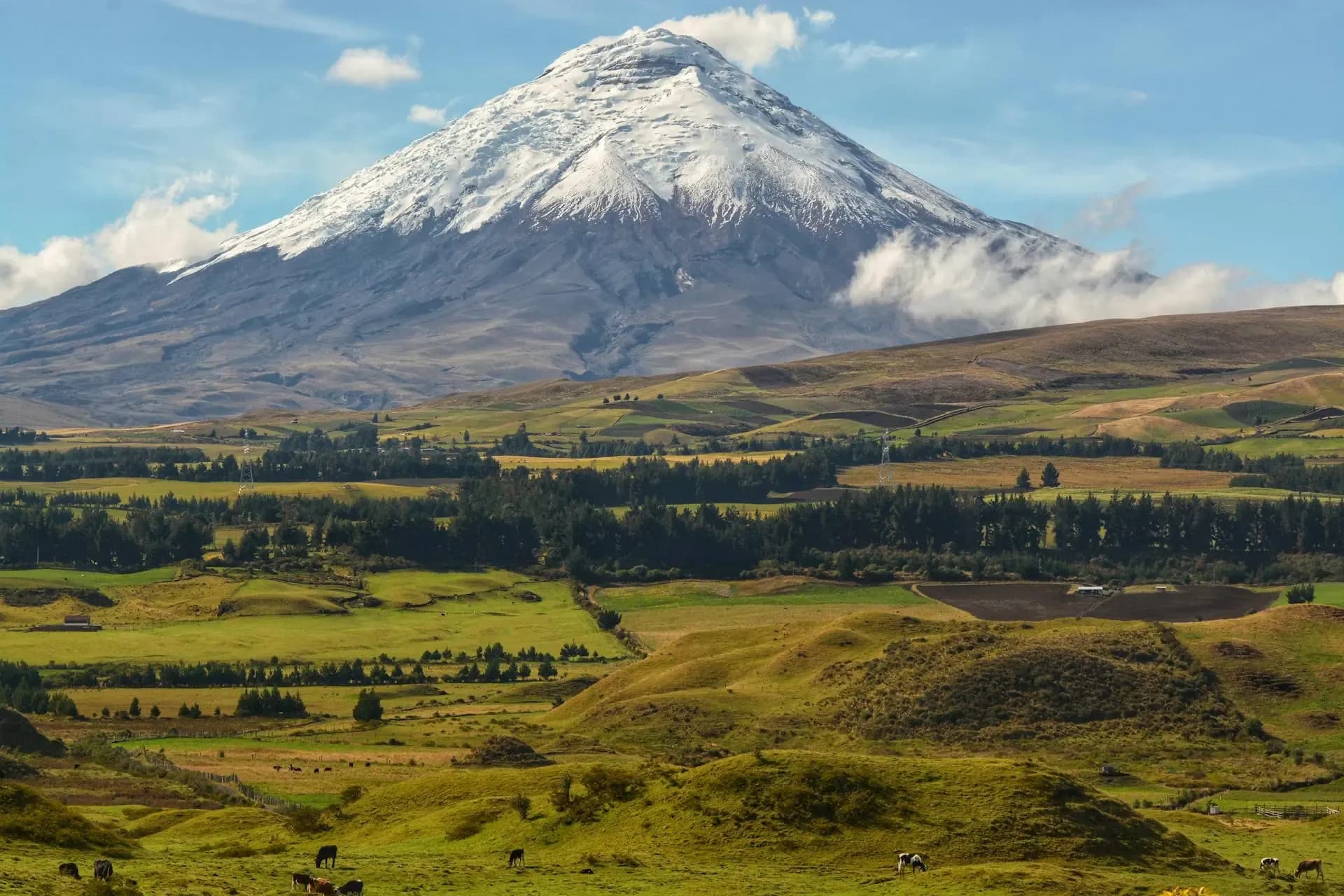
Ecuador Travel Guide 2026: Andes, Amazon & the Galapagos
Complete Ecuador travel guide for UK visitors. Galapagos, Quito, Cotopaxi, Amazon rainforest, Cuenca and more. Visas, safety and best time to visit.
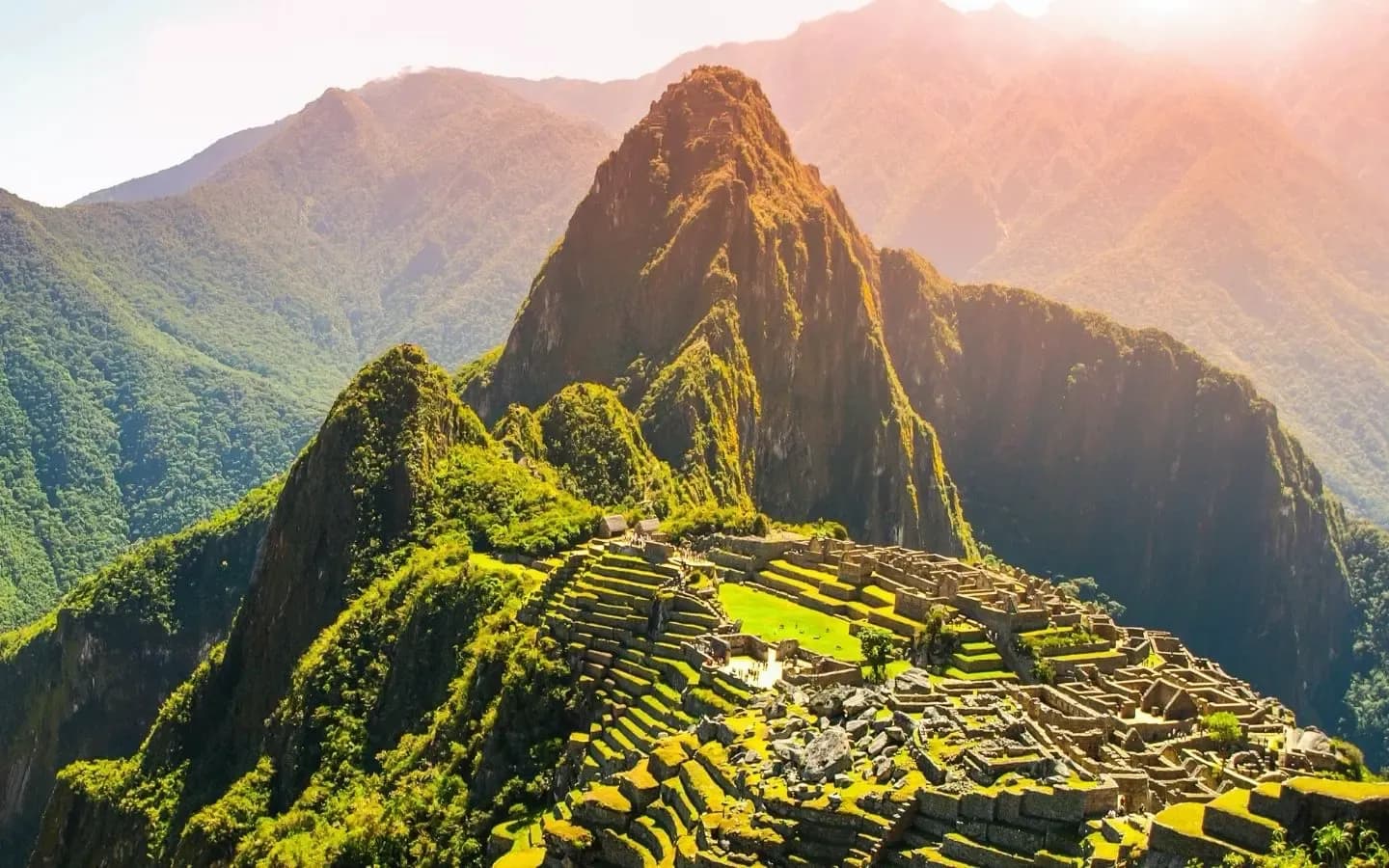
Peru Travel Guide 2026: Machu Picchu, the Andes & Amazon
Peru for UK travellers: Machu Picchu and the Inca Trail, Cusco and the Sacred Valley, Lima's food and the Amazon. When to go and how long you need.

Is Colombia Safe? What UK Travellers Need to Know in 2026
Is Colombia safe? An honest answer for UK travellers: where the reputation is out of date, where care is still genuinely needed, and what the FCDO says.