
PRACTICAL TRAVEL TIPS
Is Colombia Safe? What UK Travellers Need to Know in 2026
Is Colombia safe? An honest answer for UK travellers: where the reputation is out of date, where care is still genuinely needed, and what the FCDO says.
It is the question that comes up every single time. Someone mentions Colombia and, before the conversation gets to Cartagena's golden-hour light or the world's best coffee, a well-meaning friend asks: "But is it safe?"
It is a fair question. Colombia's past was turbulent, and that reputation has stuck long after the reality changed. The honest answer in 2026 is nuanced, but far more positive than most people expect. The main tourist destinations are safe, well-policed and welcoming. Millions of international visitors arrive each year without incident. And the Colombia you will actually visit bears almost no resemblance to the country portrayed in Netflix documentaries.
This guide gives you the full picture, the official advice, the areas to visit, the areas to avoid, and the practical tips that will keep you safe throughout your trip.
What the FCDO Says
The Foreign, Commonwealth & Development Office (FCDO) issues travel advice for every country, and its Colombia guidance is more positive than many people assume.
The FCDO does not advise against travel to Colombia's main tourist areas. Cartagena, Bogota, Medellin, the Coffee Region, San Andres, Santa Marta and Tayrona National Park all fall within the green zone, meaning the government considers them safe for British nationals.
The FCDO does advise against all but essential travel to certain areas:
Border regions with Venezuela, Ecuador and Panama
Parts of rural Choco, Cauca and Narino departments
Some remote areas in the south and east of the country
The important context: these restricted areas are nowhere near the standard tourist routes. The places you will actually want to visit, colonial Cartagena, cosmopolitan Bogota, the lush Coffee Triangle, reinvented Medellin, are all firmly in the safe zone.
Always check the latest FCDO advice at gov.uk/foreign-travel-advice/colombia before you travel.
How Colombia Has Changed
To understand modern Colombia, you need to understand the scale of its transformation.
The peace agreement signed in 2016 between the Colombian government and FARC ended more than half a century of internal conflict and opened vast parts of the country to tourism for the first time.
The numbers tell the story:
Colombia welcomed over 6 million international visitors in 2024, up from fewer than 600,000 in 2006
Lonely Planet named Colombia the #2 country to visit in its Best in Travel list
Medellin, once synonymous with violence, was named the world's most innovative city and now hosts a thriving digital nomad community
The Colombian government has invested heavily in tourism infrastructure, police presence and international marketing. Safety improvements are measurable, sustained and ongoing.
Safe Areas for Tourists
The destinations that feature on a typical Colombia holiday are among the safest and most tourist-friendly in South America.
Cartagena
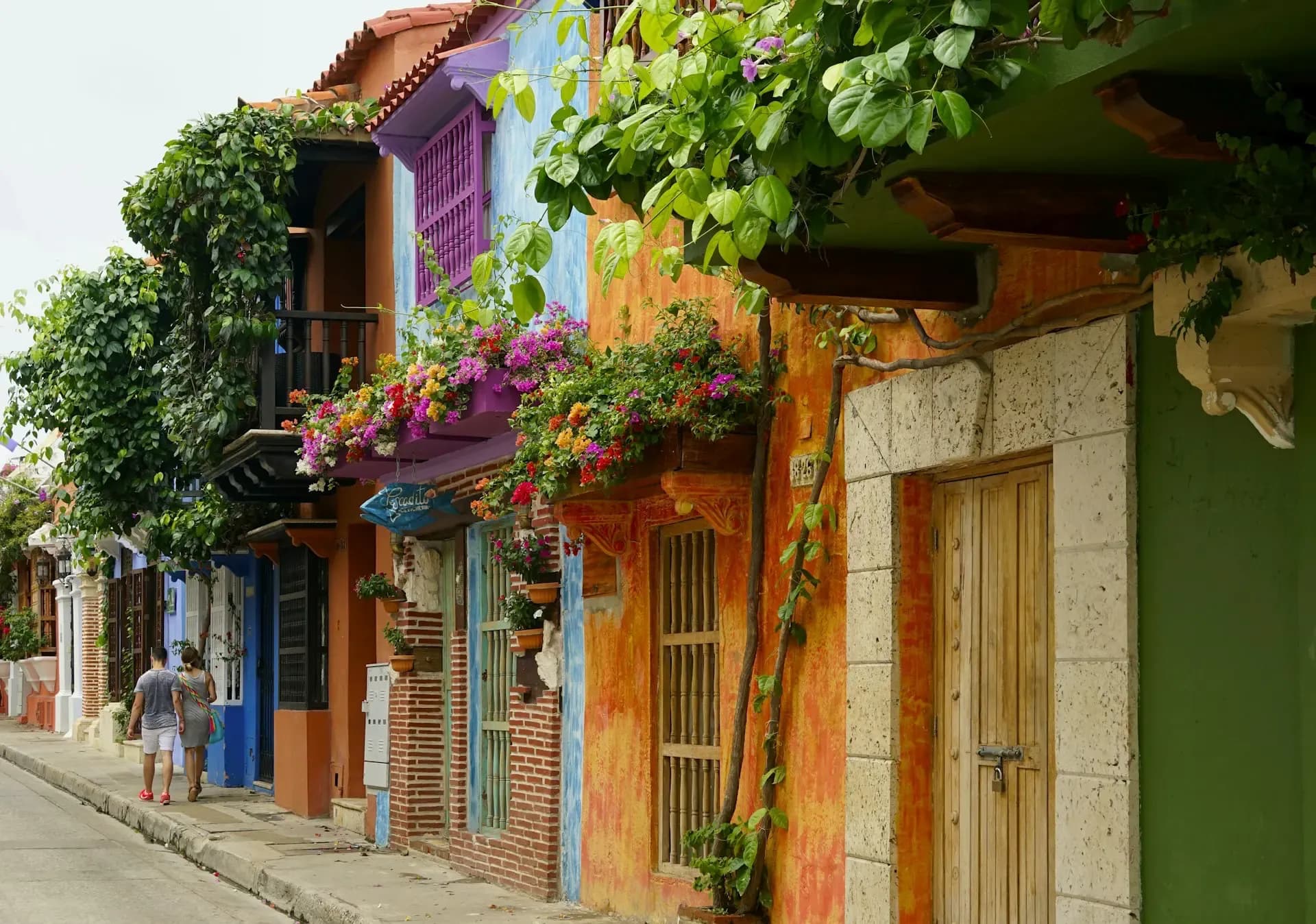
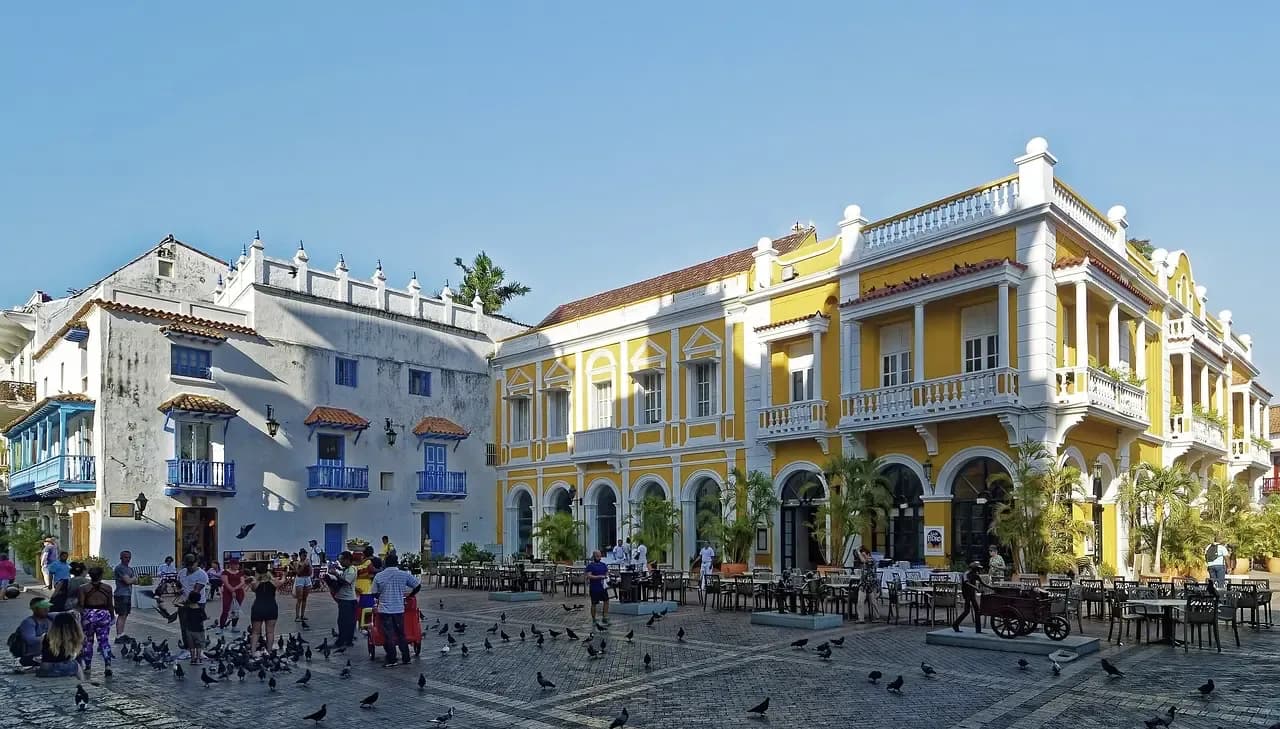
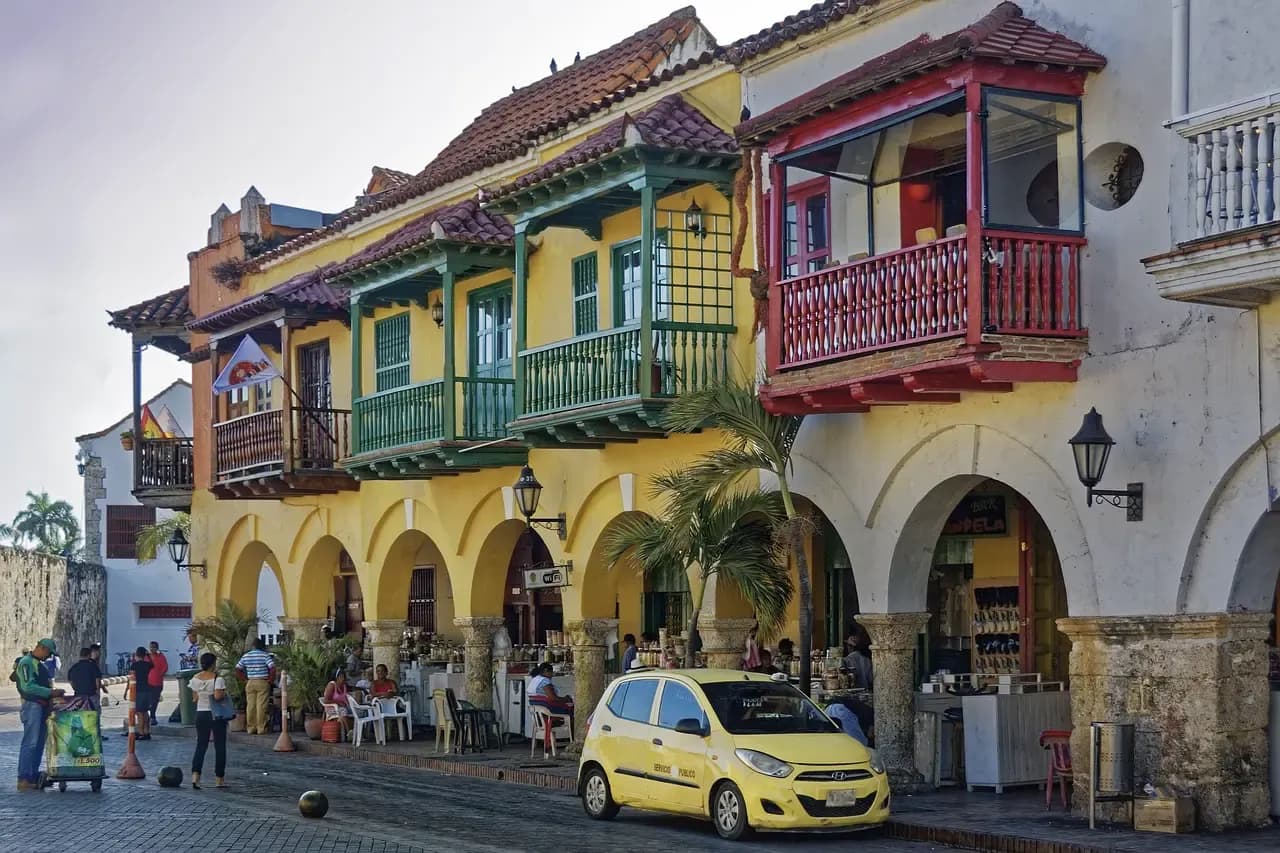
Colombia's crown jewel is also its safest major tourist city. The walled Old Town (Ciudad Amurallada) is a UNESCO World Heritage Site patrolled by tourist police. You can wander the cobblestone streets and sit in the plazas until late at night feeling perfectly comfortable. The neighbouring Getsemani district is home to Cartagena's best street art, rooftop bars and boutique hotels.
Safety note: stick to the Old Town, Getsemani and Bocagrande after dark.
Bogota
Colombia's capital is a modern city of 8 million people. The tourist areas, La Candelaria (historic centre), Zona Rosa (upscale dining and nightlife) and Usaquen (Sunday flea market), are safe and well-patrolled.
Safety note: use ride-hailing apps rather than hailing taxis on the street, especially at night.
The Coffee Region (Eje Cafetero)
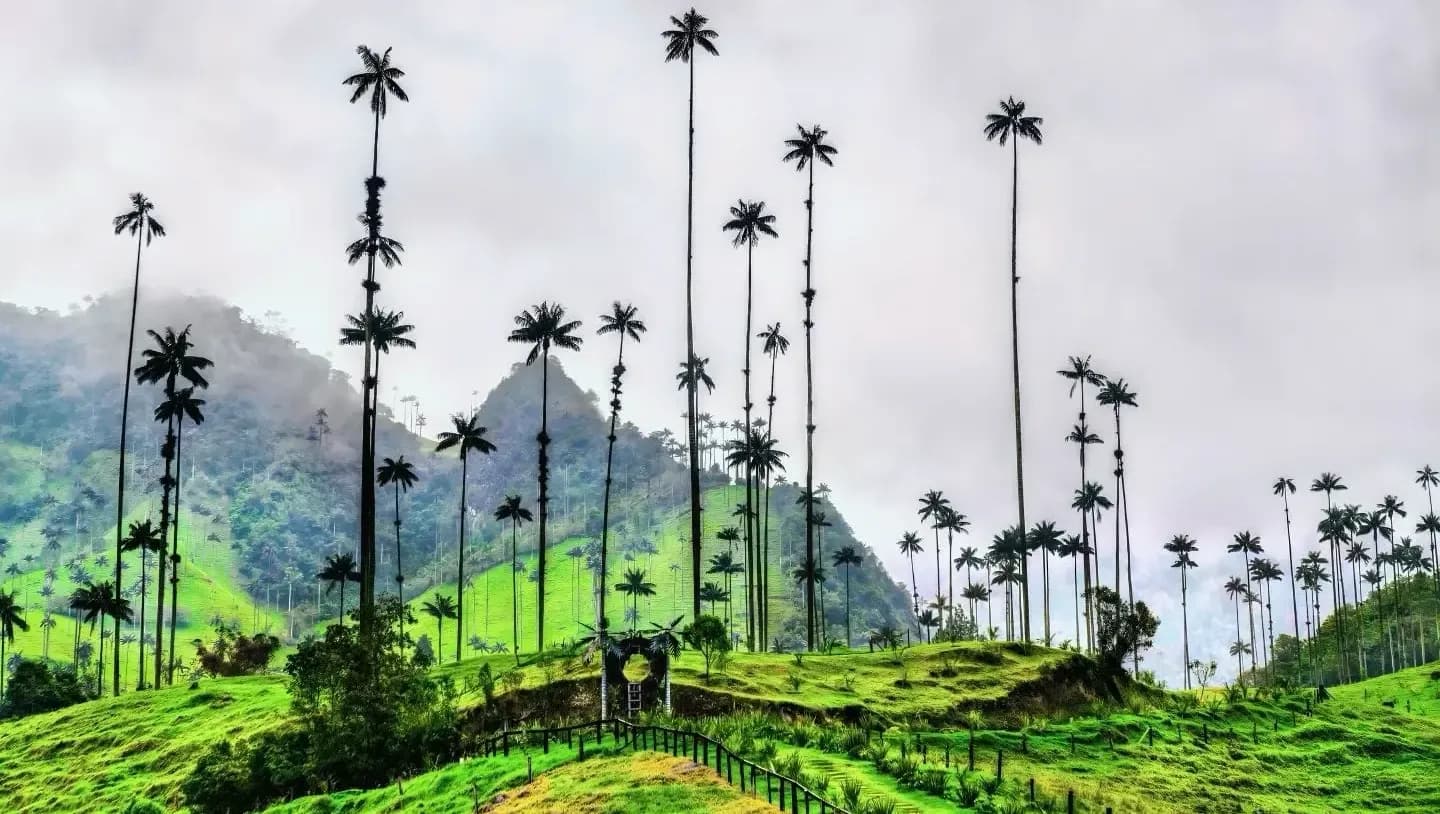
The rolling green hills of Quindio, Risaralda and Caldas are Colombia at its most peaceful, coffee farms, cloud forests and the colourful village of Salento with its famous Cocora Valley palm trees. Violent crime is extremely rare here. The biggest risk is drinking too much excellent coffee.
Medellin
Medellin is now a cosmopolitan city with a superb public transport system (including cable cars connecting hillside neighbourhoods), world-class restaurants and a thriving arts scene. The tourist areas, El Poblado, Laureles and the city centre, are safe and popular with international visitors.
Safety note: stick to established tourist zones and do not wander into unfamiliar hillside barrios without a local guide.
Other Safe Destinations
San Andres Island, A Caribbean island with crystal-clear water and a relaxed atmosphere
Santa Marta and Tayrona National Park, Beach and jungle on the Caribbean coast
Villa de Leyva, A beautifully preserved colonial town three hours from Bogota
For a comprehensive overview of all these destinations, see our Colombia Travel Guide.
Areas to Avoid
Let us be direct. There are parts of Colombia where the FCDO advises against travel, and you should respect that advice.
Do not travel to:
The Venezuelan border zone, particularly Norte de Santander and Arauca departments
Remote parts of Choco (outside Nuqui and Bahia Solano, which are generally fine)
Southern departments like Putumayo, Guaviare and parts of Caqueta
Rural Cauca and Narino, the FCDO flags ongoing security concerns
Important context: none of these areas are on any standard tourist itinerary. The restricted zones are remote, difficult to access and have no tourist infrastructure. A well-planned Colombia holiday will not take you anywhere near them.
Practical Safety Tips
Sensible precautions will make your trip smoother. Most of these are the same common-sense habits you would use in any major city.
Getting Around
Use ride-hailing apps (Uber, InDrive, DiDi) rather than hailing taxis on the street. The app records the journey and the driver's details.
In Cartagena, licensed yellow taxis are generally fine within the Old Town. Agree the fare before getting in.
Getting to Colombia: Avianca operates daily direct flights from London Heathrow to Bogota (about 11 hours), making Colombia one of the most accessible South American destinations from the UK.
Money and Valuables
Do not flash expensive items, keep phones in pockets, not in your hand while walking.
Use ATMs inside shopping centres or banks, never street-facing machines.
Leave your passport in the hotel safe and carry a photocopy instead.
Scam Awareness
Be cautious with overly friendly strangers who approach unprompted. Politely decline and move on.
Only exchange money at banks or official casas de cambio, never on the street.
Be aware of drink spiking, keep your drink in sight in bars and do not accept drinks from strangers.
General Habits
Walk with purpose and look like you know where you are going, even if you do not.
Avoid walking alone in quiet areas after dark, use a ride-hailing app instead.
Learn a few words of Spanish, even basic phrases (buenos dias, gracias, cuanto cuesta) make a difference.
Health, Insurance and Protection
Altitude
Bogota sits at 2,640 metres above sea level. Many travellers feel mild symptoms on arrival, headaches, breathlessness and fatigue for the first day or two. Drink plenty of water, avoid alcohol on your first evening and take it easy. Most people acclimatise within 48 hours. Starting your trip at sea level (Cartagena) and moving to Bogota later makes the transition easier.
Vaccinations
The NHS recommends UK travellers to Colombia consider:
Hepatitis A, recommended for all travellers
Yellow fever, recommended if visiting jungle or lowland areas (Tayrona, Amazon). Some airlines require proof of vaccination.
Typhoid, recommended if visiting smaller towns or rural areas
Consult your GP or a travel health clinic at least 6-8 weeks before departure.
Travel Insurance and ATOL Protection
Comprehensive travel insurance is essential, make sure your policy covers medical treatment, evacuation, cancellation and any adventure activities.
When you book through Travelfab, your trip is covered by ATOL protection (licence 10898), meaning your money is financially protected. This is an important safeguard for long-haul trips that booking independently does not provide.
Visa
UK passport holders enjoy visa-free entry to Colombia for up to 90 days. You need a passport valid for at least six months, no visa application, no pre-registration.
What Returning Travellers Say
One theme comes up again and again when UK travellers return from Colombia: "I felt safer than I expected."
This is not marketing spin, it is the single most common piece of feedback. The gap between perception and reality is enormous.
"Cartagena felt as safe as any European city", Well-lit, busy with tourists and locals until late, patrolled by tourist police.
"Colombians were the friendliest people I have met anywhere", The warmth is genuine and well-documented by travel writers worldwide.
"The tourist infrastructure is much better than I expected", Good hotels, reliable internal flights, English-speaking guides.
"I never once felt threatened", The most common remark from travellers who followed basic safety advice.
Your biggest challenge will not be safety, it will be deciding which destination to visit first.
Ready to See Colombia for Yourself?
If you have read this far, the fear is probably fading. Colombia deserves to be seen, and UK travellers who take the leap almost universally wish they had done it sooner.
Browse our Colombia holidays:
Favourites of Colombia, 7 nights, covering Bogota, Medellin and Cartagena
Exploring Colombia, 12 nights, a deeper dive including Medellin and Tayrona
Roots & Rhythms of Colombia, 10 nights, focusing on culture, music and island time on San Andres
Colombia & Its Different Cultures, 10 nights, combining Colombia's diverse regions and communities
All holidays include local guides, vetted accommodation and ATOL protection. Our specialists know Colombia personally.
Frequently Asked Questions
Yes, with sensible precautions. Colombia's main tourist areas, Cartagena, Bogota's Zona Rosa, Medellin's El Poblado and the Coffee Region, are safe for solo female travellers. Use ride-hailing apps after dark, stay in well-reviewed accommodation and avoid walking alone in quiet areas at night. Many solo female travellers report feeling welcomed and comfortable. Booking through a specialist like Travelfab provides additional peace of mind with local guides and 24/7 support.
Explore Colombia With Confidence
Our Latin America specialists have walked these streets themselves. We'll build a Colombia holiday around your interests, with local guides, trusted partners and full ATOL protection.
MORE FROM TRAVELFAB
Holidays you might like
DESTINATIONS