
DESTINATION GUIDES
Mexico's Colonial Cities: A UK Traveller's Guide for 2026
UK guide to Mexico's colonial cities, Guanajuato, San Miguel de Allende, Oaxaca, Mérida and tequila country. Routes, food.
Most UK travellers come to Mexico for one of two things: the beaches of the Riviera Maya, or the Maya ruins of the Yucatán. Both are excellent. But Mexico's third travel story, the colonial silver towns of the central highlands, is the one return visitors keep coming back for. Cobbled streets that have been there 400 years, pastel facades painted to catch the light, plazas where everyone gathers after sunset. There's nothing else quite like it in the Americas.
This guide covers five colonial cities worth your time as a UK traveller: Guanajuato, San Miguel de Allende, Guadalajara, Oaxaca, and Mérida. Three of them sit on Travelfab's Colonial Treasures and Tequila tour. The other two are for the version of this trip where you want to go deeper into food, mezcal, or pair colonial culture with the Maya ruins. ATOL 10898 protected, tailored to you.
If you're still mapping out the wider trip, our complete Mexico travel guide covers the ruins, beaches and regions beyond the colonial highlands.
The Short Answer
If you have one week and want the classic colonial circuit, choose Guanajuato, San Miguel de Allende and Guadalajara. They sit within two-hour drives of each other in the central highlands, all have direct or one-stop flight connections from the UK, and together they cover Mexico's colonial silver-mining heritage, the agave landscape that produces tequila, and the country's most photographed pastel town.
If you have two weeks or are returning to Mexico, add Oaxaca for indigenous food culture and mezcal, or Mérida if you want a colonial gateway to the Maya ruins and the Yucatán's cenotes. The cities are not interchangeable, each one feels like a different country.
Guanajuato: The Photogenic Centre
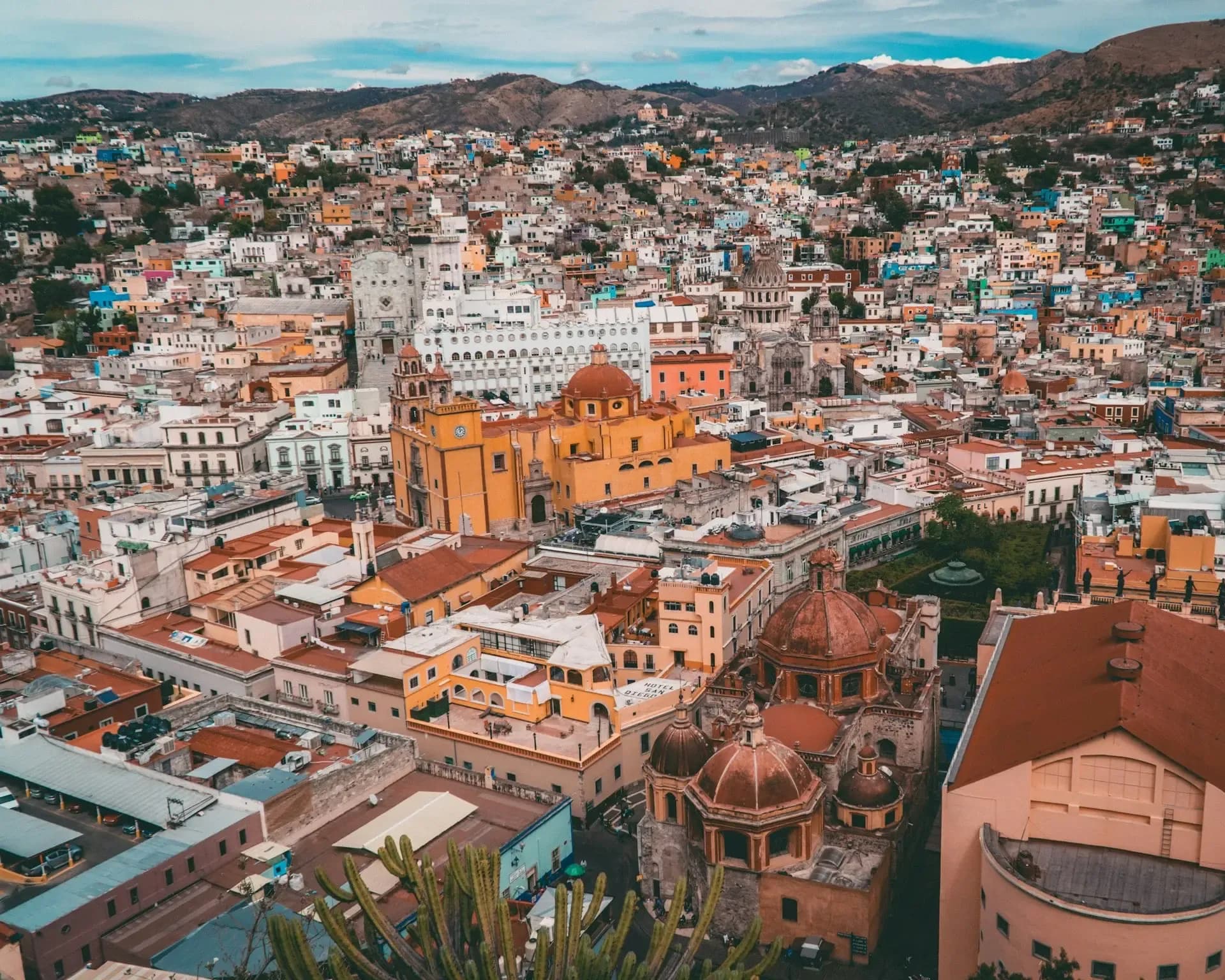
Guanajuato is the city that ends up on every "best of Mexico" photo essay, and it deserves to. Built into a steep ravine in the central highlands, its pastel-painted houses cascade down hillsides above a network of underground tunnels that were once mining shafts and now carry the city's traffic. The Jardín de la Unión, the small plaza in the centre, is where the entire town turns up after dark, for the callejoneadas, the wandering troubadour groups that lead singing tours through the alleys.
Three things to do in two days: ride the funicular up to the Pípila monument for the sunset view down across the rooftops, walk the Callejón del Beso (the Alley of the Kiss, narrow enough that couples once leaned across from opposite balconies), and visit the Diego Rivera house museum on the street he was born on in 1886. Eat at La Trattoria, the best Italian outside Mexico City; drink at any of the rooftop bars on Calle Cantarranas.
Practical: Guanajuato has a small regional airport, but most UK travellers arrive via León airport (a 45-minute transfer) or Mexico City (4-hour drive, or a 4-hour first-class bus that runs hourly). Stay in the centro histórico, outside it the city loses its character fast.
San Miguel de Allende: The Chic Gateway
San Miguel is the colonial town the New York Times and Condé Nast Traveler keep voting "best small city in the world", and it has earned the title. It's also the most expat-friendly Mexican city, a quarter of the centre is North American or European retirees, which means English is widely spoken, the wine bars are exceptional, and prices run higher than the rest of central Mexico.
The pink neo-Gothic Parroquia de San Miguel Arcángel dominates the central Jardín; it lights up at night with a deep rose-amber glow that's become one of Mexico's most photographed scenes. The Fábrica La Aurora is a converted textile mill now full of galleries and design studios. Tuesdays bring the Mercado de los Martes, Mexico's largest weekly market, in the outskirts. Friday and Saturday nights, La Azotea and Quince Rooftop are where the well-dressed crowd ends up.
San Miguel is a 90-minute drive from Guanajuato, a 4-hour drive from Mexico City. For UK travellers wanting comfort without sacrificing the colonial atmosphere, this is the easiest entry point to central Mexico.
Guadalajara: The Tequila Capital
Guadalajara is the second-largest city in Mexico and the cultural capital of the colonial west. Its centre, anchored by the Catedral de Guadalajara and the Plaza de Armas, has the same colonial bones as Guanajuato but at city scale. What sets Guadalajara apart is the surrounding region: this is where tequila is made. The town of Tequila, an hour west, sits among UNESCO-listed agave fields where Mexico's signature spirit has been distilled for four centuries. Distillery tours (Casa Cuervo, Mundo Cuervo, La Rojeña) include tastings of the difference between blanco, reposado, and añejo.
Guadalajara is also the birthplace of mariachi, the strolling musicians that became Mexico's most internationally-recognised musical export. Plaza de los Mariachis runs nightly performances; for a deeper experience, the Mariachi Festival in late August fills the city for ten days.
Travelfab's Colonial Treasures and Tequila tour covers Guadalajara, the tequila country, Guanajuato and San Miguel de Allende in a single seven-day guided itinerary, the most efficient way to see all three on one trip.
Oaxaca: The Food and Mezcal Capital
Oaxaca is the colonial city that most rewards return visitors. It's further south, three hundred miles below Mexico City, and feels distinctly different, the architecture is older (founded 1521), the indigenous Zapotec and Mixtec cultures are still very much present, and the food is unanimously considered Mexico's most refined.
The Zócalo and Santo Domingo cathedral anchor the colonial centre, but Oaxaca's culture lives in the markets, Mercado 20 de Noviembre for the tlayudas and grilled meats, Mercado de Abastos for everything else. Mezcal, tequila's smokier cousin, is made in the surrounding villages; the palenque tours run by El Rey de Matatlán or Real Minero are where you learn the difference between agave varieties.
Two day-trips justify the journey alone: Monte Albán, the Zapotec ruin city on a hilltop fifteen minutes outside town (older than Teotihuacán, less visited than Chichén Itzá), and Hierve el Agua, the petrified-mineral waterfall an hour's drive into the mountains. If you're in Mexico for late October or early November, Día de los Muertos in Oaxaca is the most authentic version of the festival anywhere in Mexico.
Oaxaca isn't on the standard 7-day colonial tour, it requires its own 3-4 nights to do properly. We add it for clients who want food-led travel or who are returning to Mexico after a first trip.
Mérida: The Yucatán Colonial Gateway
Mérida is the colonial city that gets you onto the Maya circuit. Capital of the Yucatán state, it was built on Spanish wealth from henequen (sisal) production, which left the city with grand Beaux-Arts mansions along the Paseo de Montejo, Mexico's answer to the Champs-Élysées, smaller and slower. The centre is laid out around the Plaza Grande and the cathedral; Sunday evenings, the whole town comes out to dance jarana in the square.
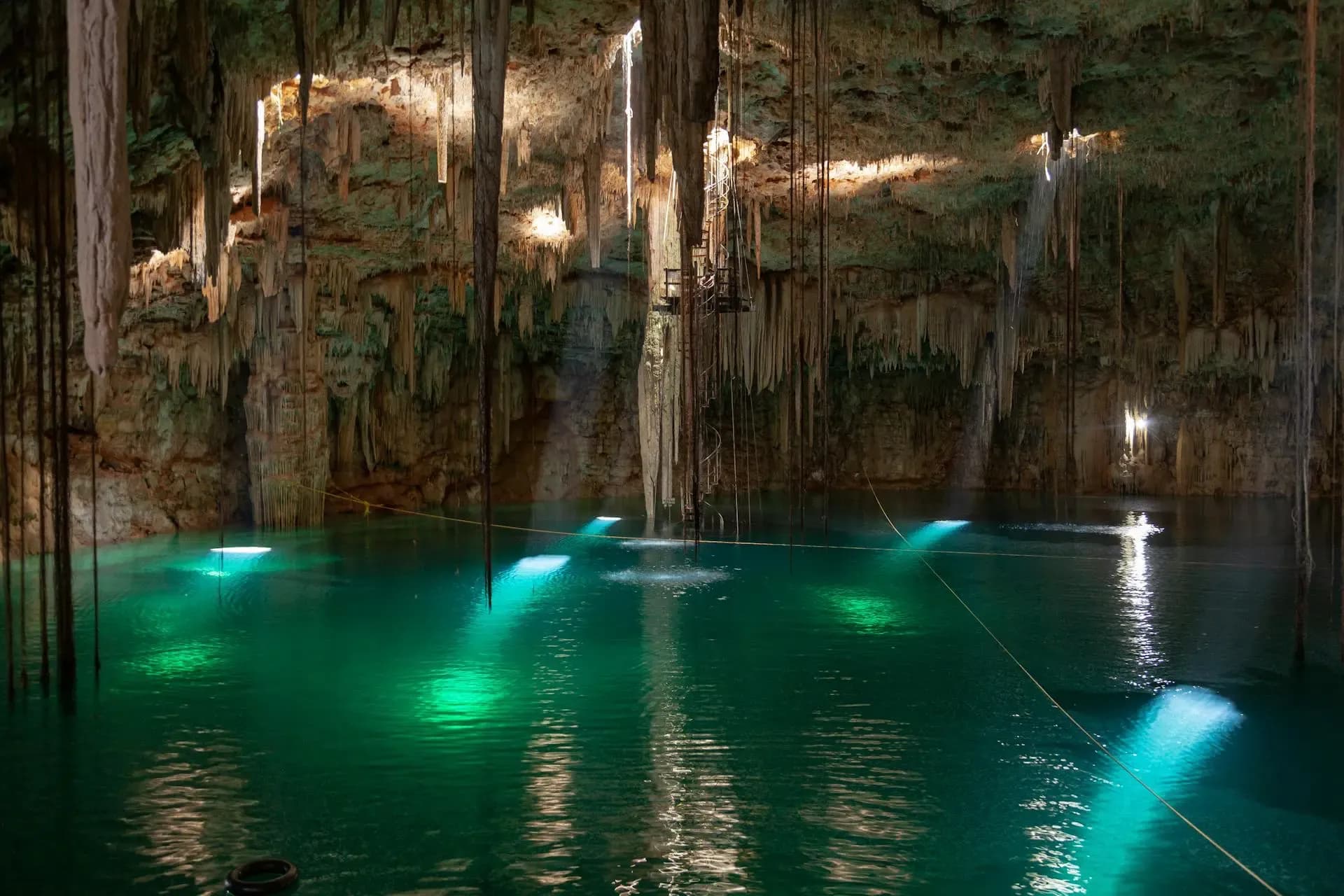
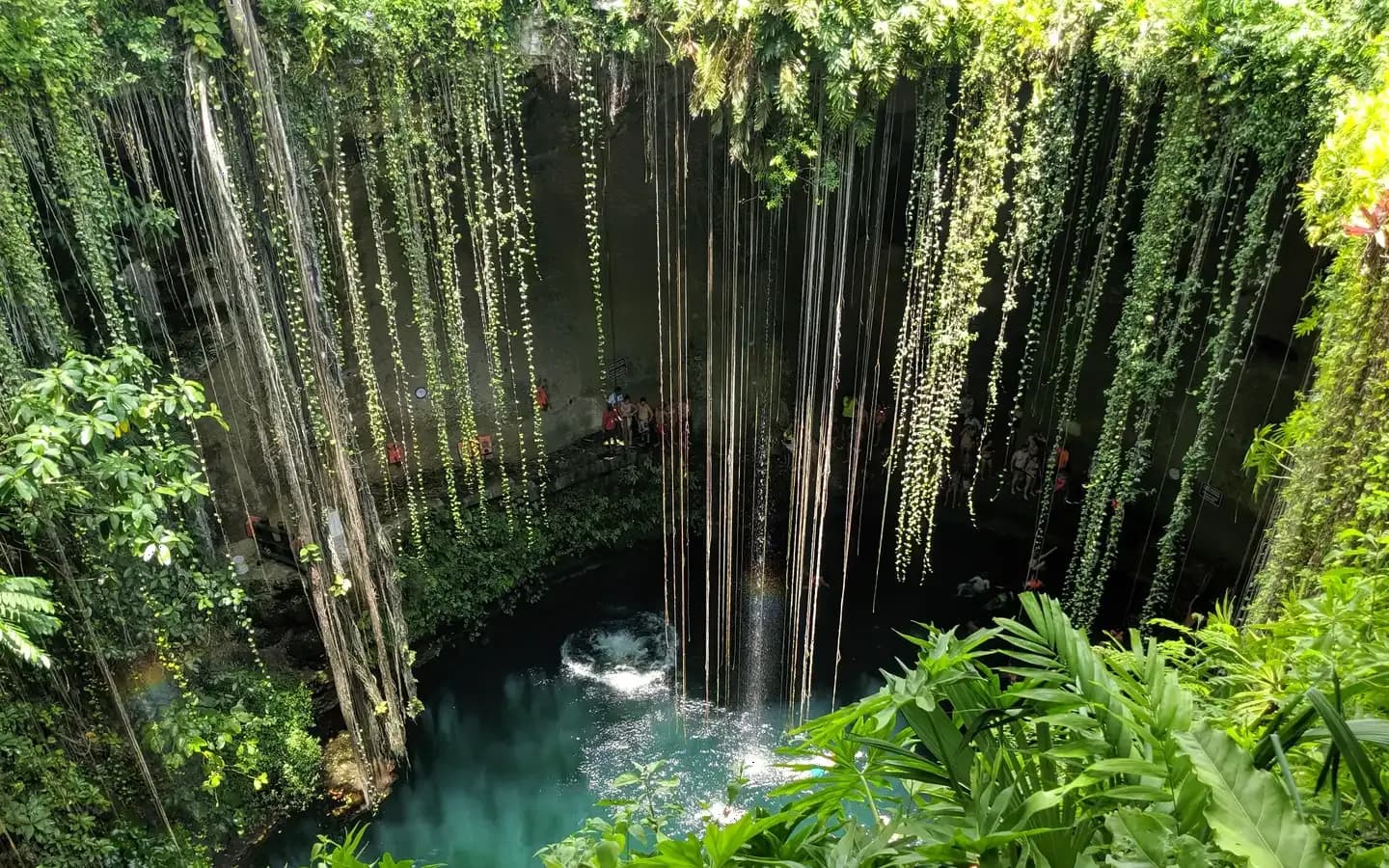
What makes Mérida useful for a UK traveller is its position. It's the only Mexican colonial city that sits within day-trip range of the major Maya ruins, Uxmal and the Puuc Route (1 hour), Chichén Itzá (1.5 hours), and Ek Balam (2 hours). It's also the gateway to the cenotes, the limestone sinkholes filled with freshwater that you can swim in. Yokdzonot, Cuzamá, and Ik Kil are within easy reach.
Food in Mérida leans into Mayan and Yucatecan traditions, cochinita pibil (slow-cooked pork in achiote), sopa de lima, papadzules. The restaurant scene in Santiago and La Mejorada neighbourhoods has lifted Mérida onto serious-eater itineraries in the last five years.
Mérida pairs naturally with a Riviera Maya beach finish, a six-day colonial-plus-ruins circuit then three nights in Tulum or Bavaro. Our Mayan Ruins and Cenotes itinerary builds exactly that route.
The Circuit: How to See Them All
For most UK travellers, two trips work better than one mega-tour. The country is too big to cover in a single week without spending half of it driving.
One-week circuit (central highlands): Fly into Mexico City, two nights in the capital, then Guanajuato (2 nights) → San Miguel de Allende (2 nights) → Guadalajara and tequila country (1-2 nights). This is Travelfab's Colonial Treasures and Tequila tour.
Two-week extended: Add Oaxaca (3 nights, fly Guadalajara → Oaxaca) at the start, OR add Mérida (3 nights) + Riviera Maya beach week (4 nights) at the end. The Yucatán add-on is more popular with UK clients because it pairs culture with a beach finish, but the Oaxaca add-on is the better food trip.
Three-week best-of-Mexico: All five colonial cities plus the Yucatán beach + ruins. We build these as tailor-made itineraries, typically £3,500-5,500pp depending on hotel tier.
When to Visit
The colonial cities sit on the central plateau at 1,800-2,200 metres elevation, which makes their weather very different from the coast.
October to April is dry season, warm days (22-26°C), cool nights (10-14°C). The sweet spot for UK travellers escaping winter.
May to early June is the hottest stretch, with afternoon temperatures reaching 30°C. Bearable, but the appeal drops.
June to September is rainy season, almost always afternoon-only showers, often dramatic. The countryside is greenest in August and September; festival season (Independence Day on 16 September) is excellent for atmosphere.
For UK travellers who want both the colonial highlands and the Yucatán/Caribbean, November to March is the only window that works for both regions simultaneously.
To experience both the colonial highlands and the Caribbean coast in one trip, browse our tailor-made Mexico holidays, or tell us how you'd like to travel.
Frequently Asked Questions
San Miguel de Allende is the easiest entry point, English is widely spoken, the hotel and restaurant scene is at international standard, and it's a 4-hour drive from Mexico City airport. Guanajuato is the most visually distinctive (built into a ravine, pastel facades, underground tunnels) but feels less "polished", go to San Miguel for comfort, Guanajuato for character. Most Travelfab tours include both.
Plan Your Colonial Mexico Trip
Tell us your dates and the kind of week you want, colonial cities only, or a multi-centre combining culture with the Yucatán beach. ATOL 10898 protected, tailored to you.
MORE FROM TRAVELFAB
Holidays you might like

DESTINATIONS
Explore these places
KEEP READING
More stories
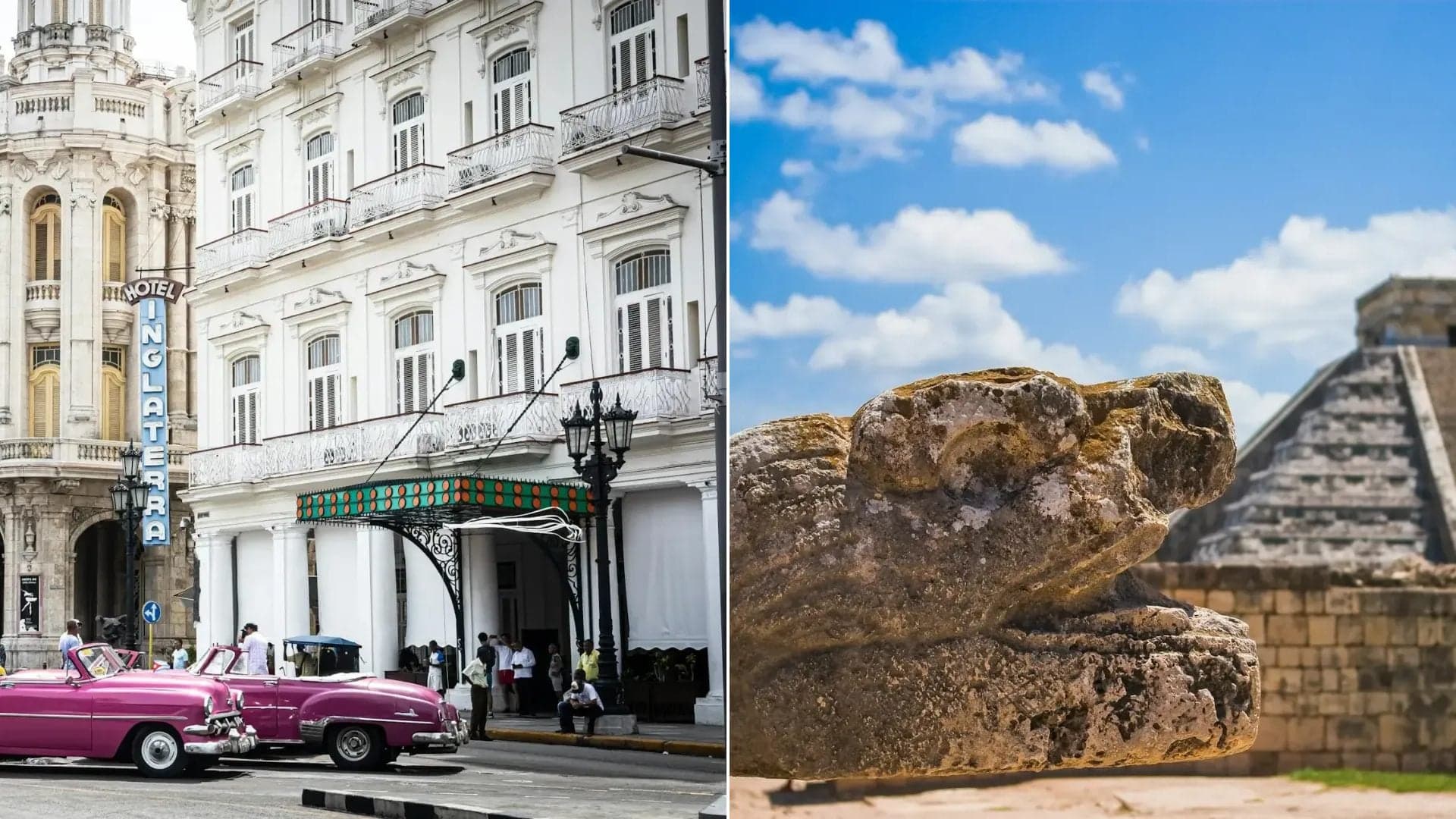
Cuba or Mexico? An Honest UK Comparison for 2026
Cuba or Mexico for 2026? Honest UK comparison, culture, beaches, food, price, plus the multi-country tour combining both.

Cancun vs Riviera Maya vs Tulum: Where Should You Stay?
Cancun, Riviera Maya or Tulum? Compare beaches, nightlife, cenotes, ruins and costs to find your perfect Mexico base. Expert UK travel advice.
Mexico or Dominican Republic? An Honest UK Comparison for 2026
Mexico or Dominican Republic? Cheaper, safer, better food? Honest UK buyer comparison for 2026, Cancún and Punta Cana side by side.
Mexico Travel Guide 2026: Ancient Ruins, Beaches & Colonial Cities
Mexico for UK travellers: Maya pyramids, colonial silver cities, two coastlines and the street food. Where to go, when to go, and how to combine it.