Mexico Travel Guide 2026: Ancient Ruins, Beaches & Colonial Cities
Complete Mexico travel guide for UK visitors. Yucatan ruins, Pacific beaches, colonial cities, food, safety tips and best time to visit. ATOL protected.
Mexico is a country that defies any single description. Ancient Maya pyramids rise from jungle canopies, colonial silver cities glow in the highland sun, and Pacific coastlines stretch for hundreds of uninterrupted kilometres. Add in arguably the world's finest street food culture and some of the warmest hospitality you will find anywhere, and you have a destination that rewards every type of traveller.
This guide covers everything UK travellers need to know about visiting Mexico in 2026 — from the best regions and experiences to practical tips on visas, safety and when to go.
The Yucatan Peninsula: Ruins & Caribbean Coast
The Yucatan is Mexico's most popular region for international visitors, and for good reason. It combines world-class archaeological sites with turquoise Caribbean beaches and a thriving food scene.
Must-See Highlights
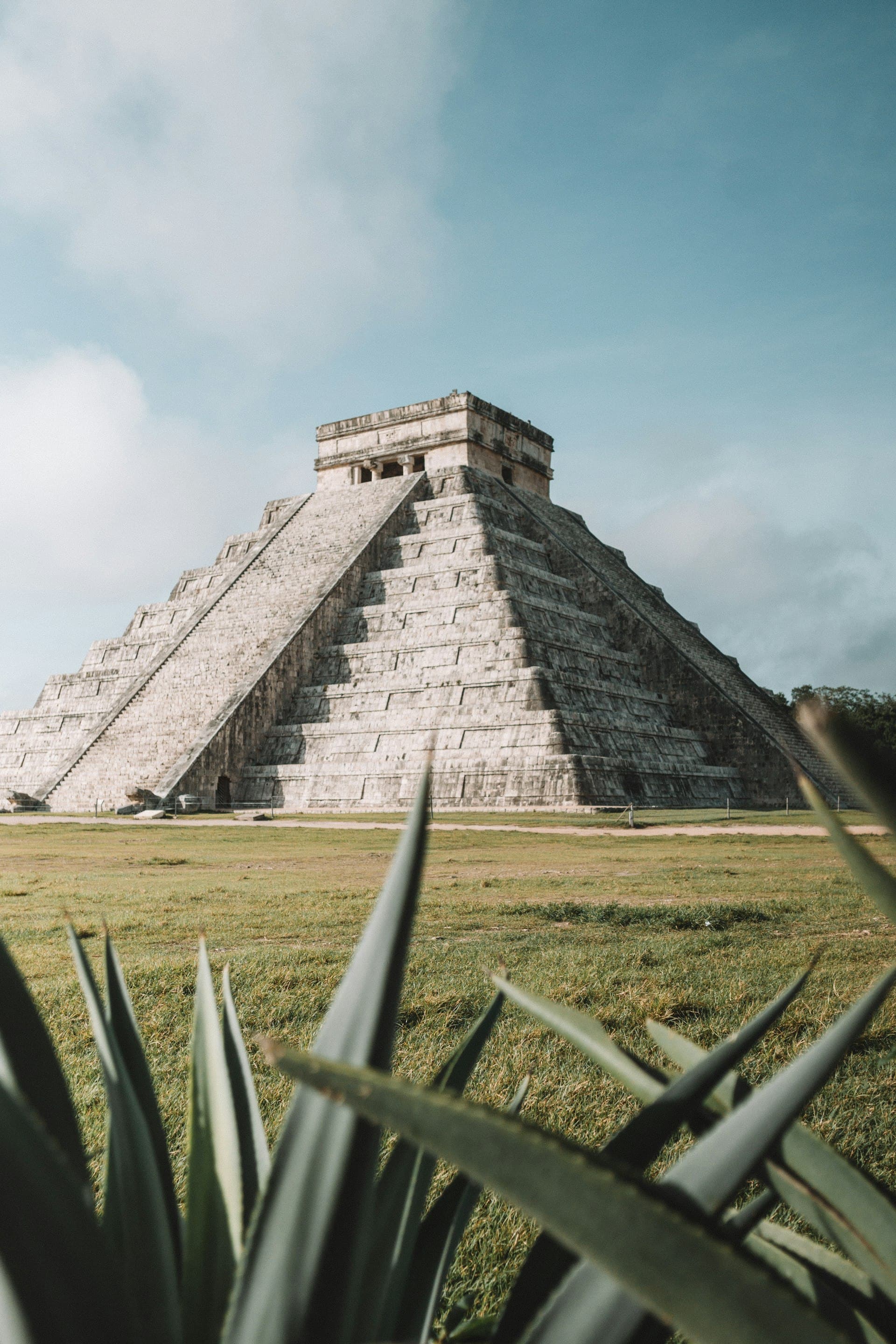
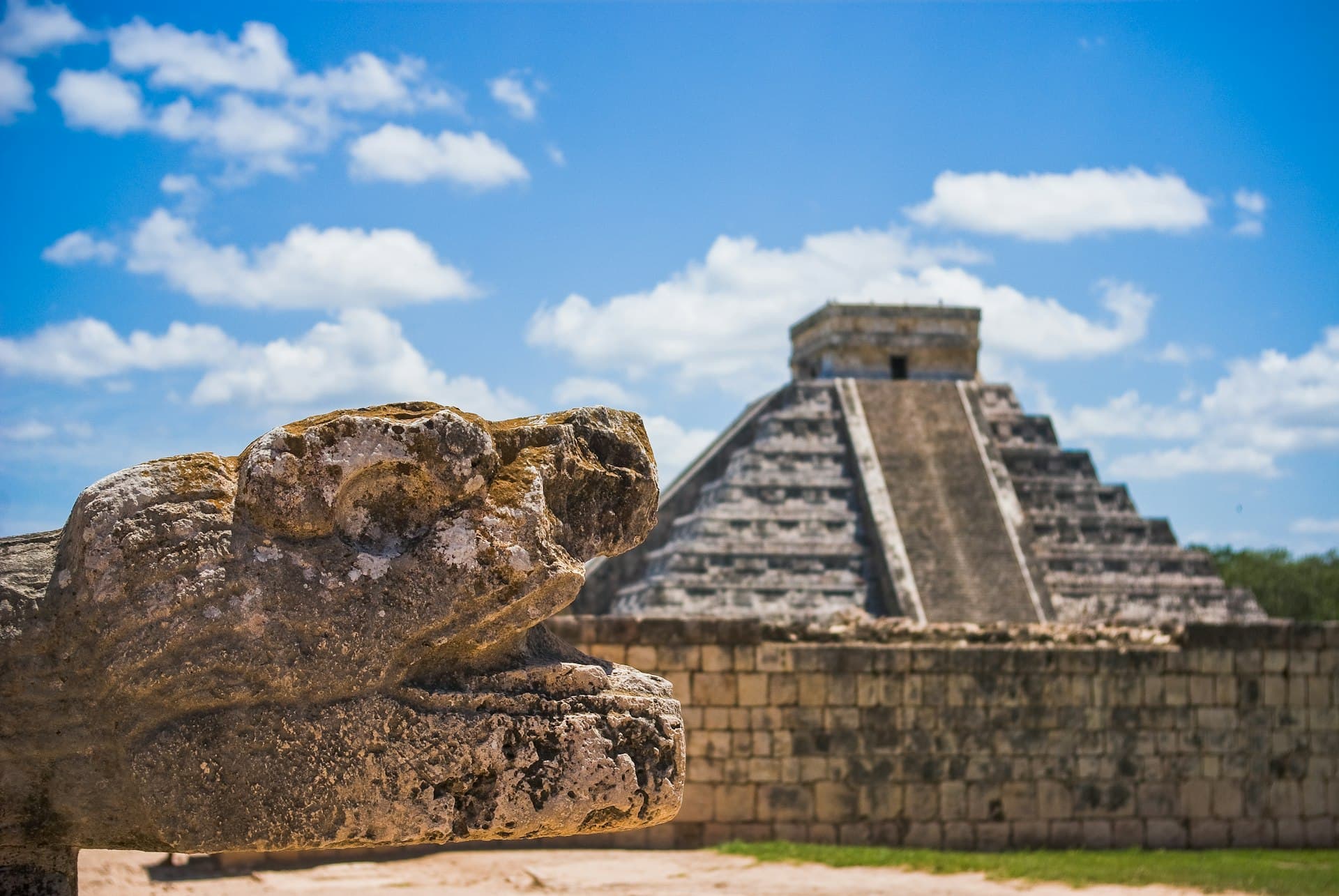
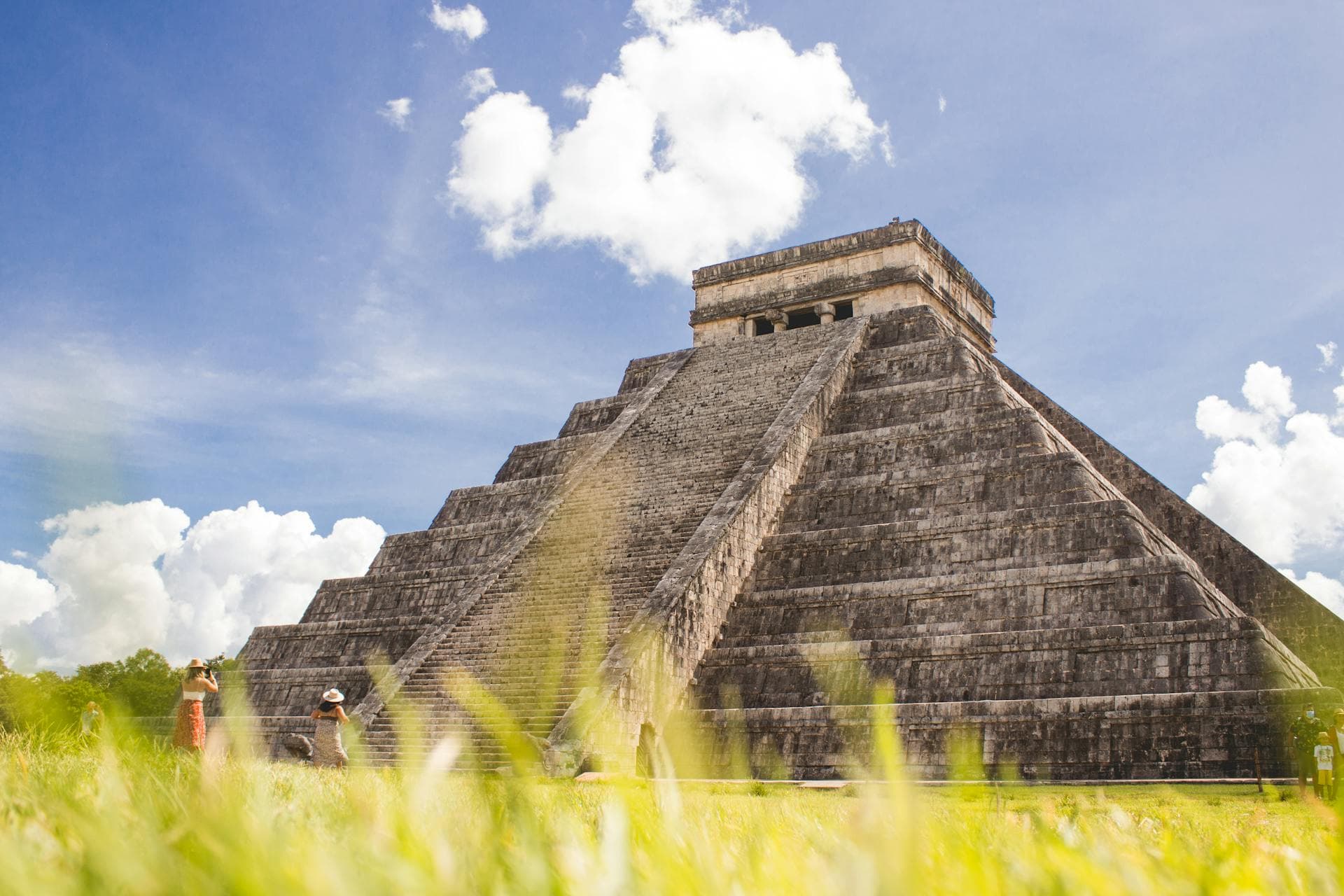
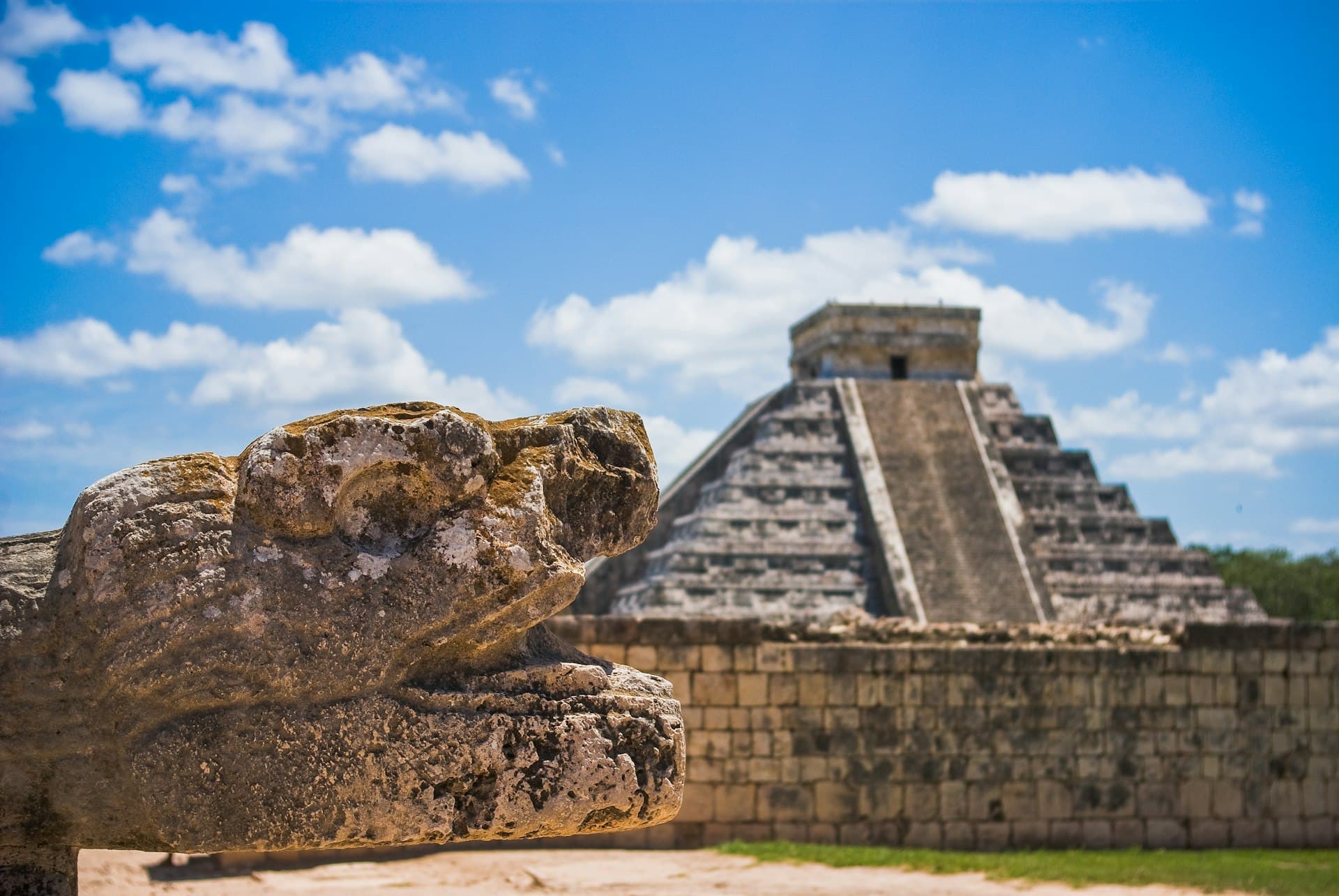
Chichen Itza — One of the New Seven Wonders of the World. The Kukulkan pyramid is breathtaking, but arrive early to beat the crowds. Our Mayan Ruins & Cenotes Explorer includes a guided visit at sunrise.
Tulum — The only Maya city built overlooking the sea. The clifftop ruins above the turquoise Caribbean are Mexico's most photographed spot.
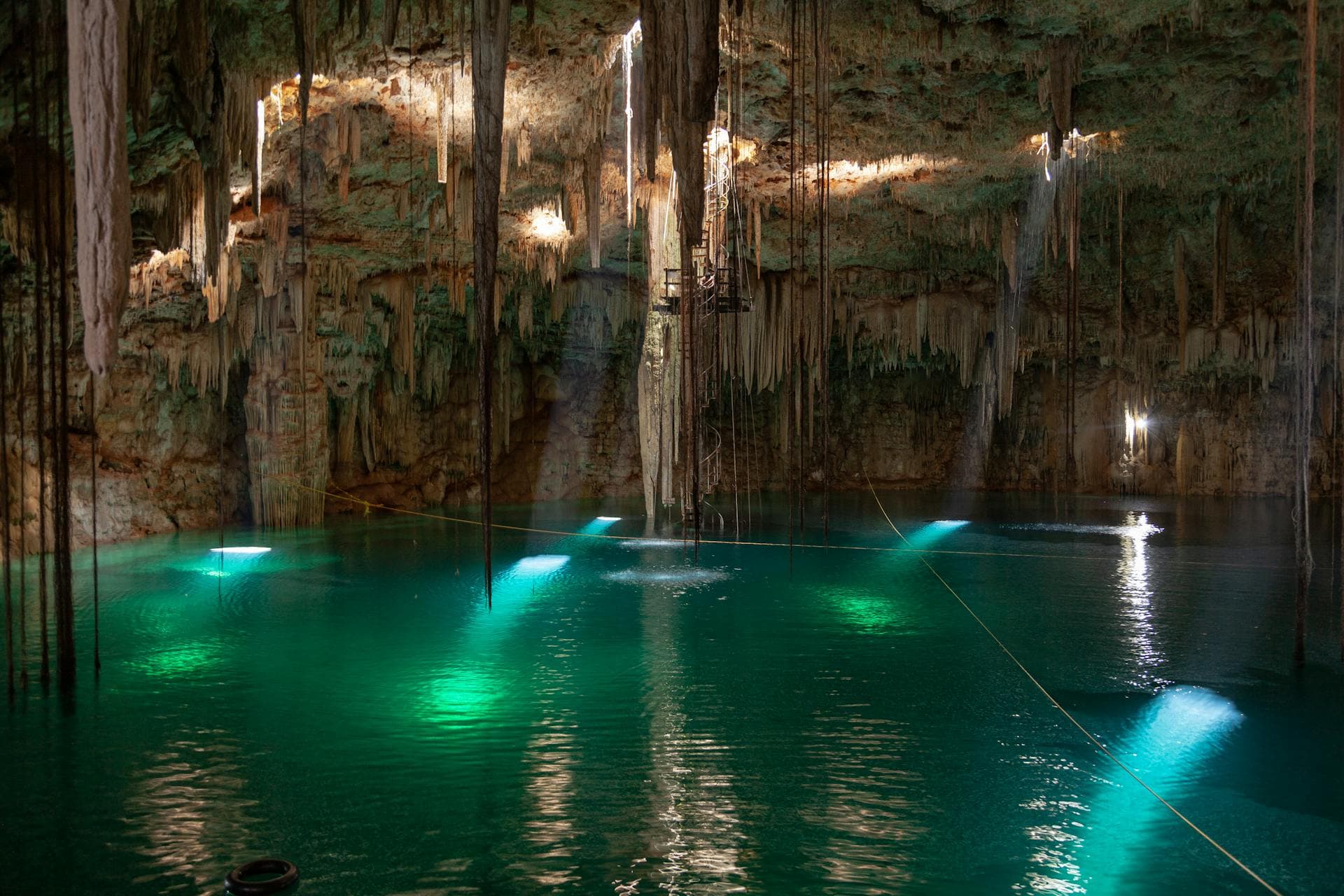
Cenotes — The Yucatan has over 6,000 natural sinkholes filled with crystal-clear water. Swimming in a cenote is a uniquely Mexican experience. The best include Cenote Ik Kil, Gran Cenote near Tulum, and Cenote Suytun.
Merida — The cultural capital of the Yucatan. Colonial architecture, excellent museums, and the best Yucatecan cuisine in the country.
Isla Holbox — A car-free island paradise off the northern Yucatan coast. Whale shark season runs from June to September.
Riviera Maya
The stretch of coast from Cancun to Tulum — known as the Riviera Maya — offers everything from luxury all-inclusive resorts to bohemian beach towns. Playa del Carmen is the hub, with a pedestrian Fifth Avenue lined with restaurants and shops. For something quieter, head south to Sian Ka'an Biosphere Reserve, a UNESCO-protected wetland teeming with wildlife.
Colonial Mexico: Silver Cities & Highland Culture
Mexico's colonial heartland — stretching from Mexico City through the central highlands — offers an entirely different experience to the coast.
Mexico City
The capital is one of the world's great cities. Highlights include:
Museo Nacional de Antropologia — The best museum in Latin America, with the Aztec Sun Stone and Maya jade death mask
Teotihuacan — The colossal Pyramid of the Sun and Moon, just 50 kilometres from the city centre
Coyoacan — The bohemian neighbourhood that was home to Frida Kahlo. Visit the Casa Azul museum.
Street food — Tacos al pastor, tlacoyos, elotes. Mexico City's street food scene is unmatched.
The Silver Route
The colonial cities of central Mexico are among the most beautiful in the Americas:
Guanajuato — A rainbow-coloured city in a ravine, famous for its underground streets, university culture and the Cervantino arts festival. Featured in our Colonial Treasures & Tequila holiday.
San Miguel de Allende — Repeatedly voted the world's best city by Travel + Leisure readers. Cobblestone streets, art galleries and a legendary food scene.
Oaxaca — Mexico's culinary capital. Mezcal distilleries, the spectacular ruins of Monte Alban, and the Day of the Dead celebrations (late October/early November).
Pacific Mexico: Beaches & Mountains
Mexico's Pacific coast is less visited by international tourists but offers spectacular scenery and authentic experiences.
Puerto Vallarta — A charming seaside city with a traditional Mexican feel, excellent restaurants, and the Sierra Madre mountains as a backdrop
Oaxaca Coast — Remote surf beaches, sea turtle nesting sites, and the laid-back villages of Mazunte and Zipolite
Copper Canyon (Barrancas del Cobre) — Larger and deeper than the Grand Canyon, reached by the spectacular Chepe railway through the Sierra Tarahumara
Chiapas: Jungle Ruins & Indigenous Culture
The southern state of Chiapas is one of Mexico's most rewarding regions for adventurous travellers. Our Mini Tour Classic includes the highlights.
Palenque — Atmospheric Maya ruins emerging from dense jungle. The Temple of the Inscriptions is one of the finest Maya structures anywhere.
San Cristobal de las Casas — A highland colonial town at 2,200 metres, surrounded by indigenous Tzotzil and Tzeltal communities
Sumidero Canyon — A dramatic river gorge with 1,000-metre walls, explored by speedboat
Agua Azul — A series of turquoise waterfalls cascading through the jungle
Mexican Food: A Culinary Journey
Mexican cuisine is a UNESCO Intangible Cultural Heritage — the first national cuisine to receive this designation. Every region has its own specialities:
Yucatan: Cochinita pibil (slow-roasted pork), papadzules, sopa de lima
Oaxaca: Seven types of mole, tlayudas (Oaxacan pizza), chapulines (toasted grasshoppers)
Mexico City: Tacos al pastor, tamales, churros with chocolate
Pacific Coast: Fresh ceviche, aguachile, grilled whole fish
Street food is safe to eat at busy stalls — look for high turnover and locals queuing. A sit-down meal at a top restaurant in Mexico City or Oaxaca can be world-class for a fraction of European prices.
Best Time to Visit Mexico
The dry season from October to April is the best time to visit most of Mexico.
October to April: Dry, warm weather across most of the country. Peak season for the Yucatan and Pacific coast.
May to September: Hotter and wetter, with afternoon showers. The Pacific coast can experience hurricanes June to November. However, Oaxaca's coast and the highlands (Mexico City, San Cristobal) are pleasant in summer.
Best months overall: November and March offer the sweet spot — good weather, fewer crowds than December/January, and lower prices.
Mexico is a year-round destination, but some experiences are seasonal: whale sharks off Isla Holbox (June to September), monarch butterflies in Michoacan (November to March), and Day of the Dead in Oaxaca (late October).
Practical Information for UK Travellers
Visa & Entry
UK passport holders do not need a visa for Mexico. You will receive a tourist permit (FMM) valid for up to 180 days on arrival. Your passport must be valid for the duration of your stay.
Flights
Direct flights from London to Mexico City and Cancun are available with British Airways and Virgin Atlantic (approximately 11 hours). Connecting options via the USA or Europe offer more flexibility and sometimes lower fares.
Safety
Tourist regions of Mexico — the Yucatan, Oaxaca, Pacific coast, colonial cities, and Mexico City's central neighbourhoods — are well-established and safe. We plan routes through the most travelled areas and provide local support throughout your trip. Standard precautions apply: avoid displaying expensive items, use hotel safes, and take registered taxis.
Currency & Money
Mexico uses the Mexican peso (MXN). Cards are widely accepted in tourist areas, but carry cash for markets, street food and smaller towns. ATMs are readily available — use those inside banks for security.
Getting Around
Domestic flights connect major cities efficiently. ADO buses are excellent for the Yucatan. Private transfers and rental cars work well for the colonial heartland and Pacific coast.
How Travelfab Plans Your Mexico Holiday
We specialise in tailor-made Mexico itineraries that combine multiple regions into one seamless trip. Popular combinations include:
Yucatan + Chiapas: Ruins, cenotes, jungle and colonial towns (9-12 days). See our Great Mexico itinerary.
Mexico City + Oaxaca + Coast: Culture, cuisine and beaches (10-14 days)
Colonial Heartland + Tequila Country: Silver cities, food and spirits (7-10 days). Our Colonial Treasures & Tequila covers this perfectly.
Every holiday includes ATOL financial protection, private transfers, handpicked hotels, and 24/7 local support. Get in touch to start planning.
Frequently Asked Questions
No. UK passport holders can enter Mexico visa-free for up to 180 days. You will receive a tourist permit (FMM) on arrival. Your passport must be valid for the duration of your stay.
Plan Your Mexico Adventure
Our Latin America specialists will craft a tailor-made Mexico itinerary — ATOL protected.