
PRACTICAL TRAVEL TIPS
Panama Canal Cruise: What to Do on Land
Booked a canal cruise? How to see the locks from land, what is worth your time in Panama City, and how many days to add before or after you sail.

Most people see the Panama Canal from the top deck of a ship, at a distance, over somebody else's shoulder. That is a perfectly good way to see it, though you tend to come away impressed rather than informed.
If your cruise starts, finishes or calls in Panama, you can add a few days on land and come away with a completely different trip: the locks from the water level, a rainforest that begins twenty minutes from the city, and an old quarter that has been standing since 1673. This guide is for the traveller who has already booked the ship and now wants to know what to do with the days either side. We arrange those days from the UK, so what follows is what we tell our own customers.
Which port does your ship actually use?
Panama has two coasts and four cruise berths, and which one you get changes everything about your plans.
Fuerte Amador and Balboa sit on the Pacific side, at the mouth of the canal, twenty minutes from central Panama City. Fuerte Amador's cruise terminal opened in 2024, and it is the reason more itineraries now begin or end in Panama City rather than merely passing through.
Colón 2000 and Cristóbal sit on the Caribbean side, at the Atlantic mouth. Colón is about an hour and a half from Panama City by road.
If you are on a full transit, your ship crosses ocean to ocean and you will pass through every lock. If you are on a partial transit, the ship enters the Atlantic locks, sits in Gatún Lake for a while and turns back. Partial transits are common, they are not a lesser experience, but they do mean you will not see the Pacific locks from the water. That is worth knowing before you decide which end to add your days.
Check your itinerary for the port name rather than the country. "Panama" on a cruise brochure can mean either coast.
How many days should you add?
Our honest answer, from planning these:
One night is airport-and-hotel insurance. It protects you from a delayed flight eating your embarkation, and gets you dinner in the old town. It is not a trip.
Three nights is the first number that buys you something. Canal, old city, and one day out into the rainforest or the islands.
Five to seven nights takes you out of the canal zone completely, into the highlands or the Caribbean islands, which is where Panama stops feeling like a stopover and starts feeling like a country.
Adding the days after the cruise is usually the better bet. You are already in the country, you are not watching the clock, and a late flight home is far less stressful than a late flight out.
Seeing the canal from the land
This is the part cruise passengers most often get wrong, because the ship already showed them the canal and they assume that is that.
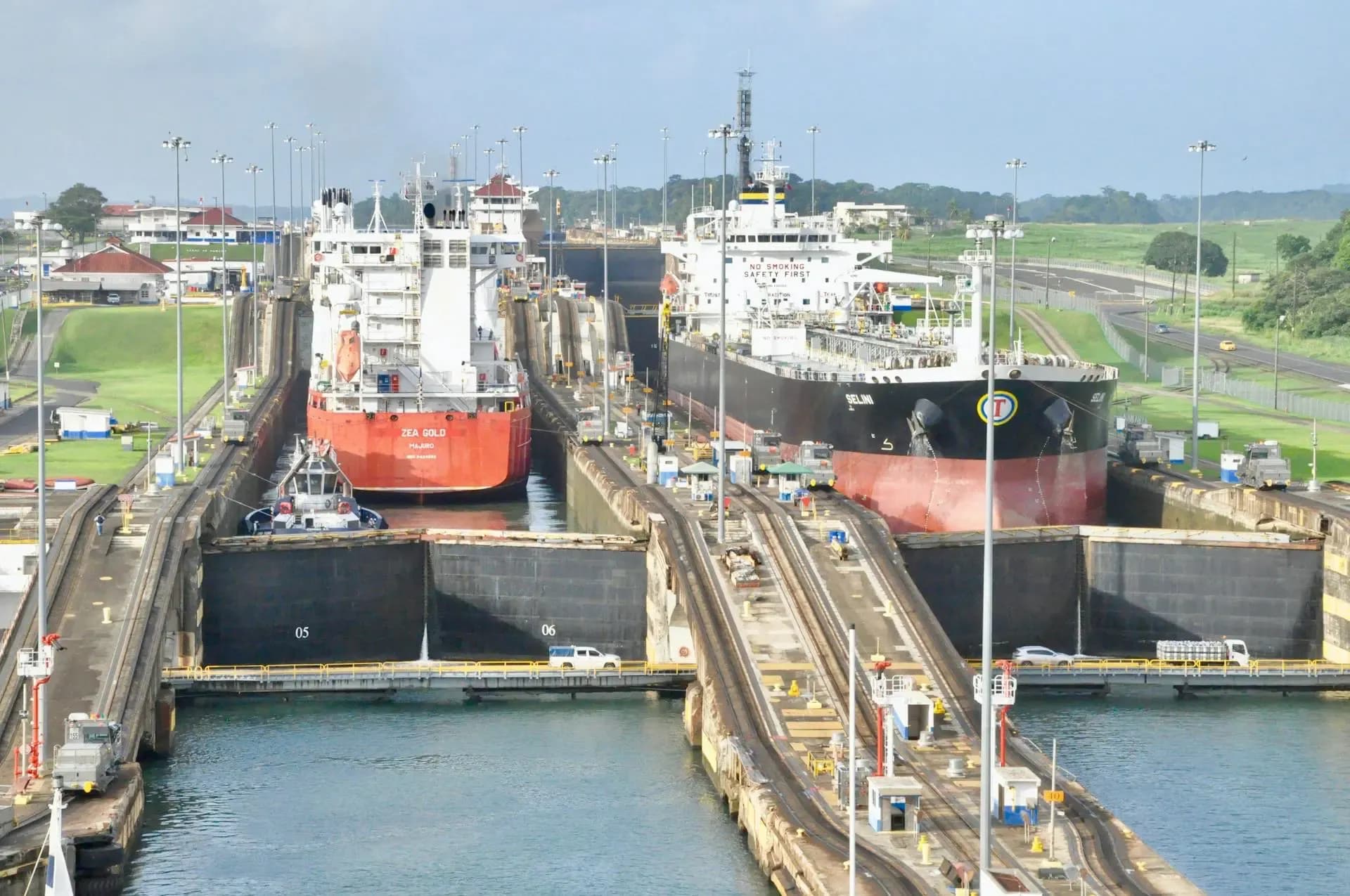
Miraflores Visitor Centre, on the Pacific side, is about half an hour from Panama City. There are viewing terraces over the lock chambers, and you watch ships rise and fall from a few metres away rather than from your own deck. Time your visit to the transit schedule rather than the opening hours, or you will be looking at an empty chamber.
Agua Clara Visitor Centre, near Colón on the Caribbean side, looks over the newer locks built for the bigger ships, with Gatún Lake spread out behind them. If your ship berths at Colón, this is your closest option by a long way.
The railway runs beside the canal between Panama City and Colón, along the route of the original 1855 line. It takes about an hour and it crosses the water, which no road does in the same way. Services are limited and change, so treat it as something to book rather than turn up for.
A short boat trip on Gatún Lake puts you at eye level with ships that look impossible from that angle, and with the wildlife on the small islands left behind when the valley flooded. It is the cheapest good idea in the canal zone.
Panama City in a day or two
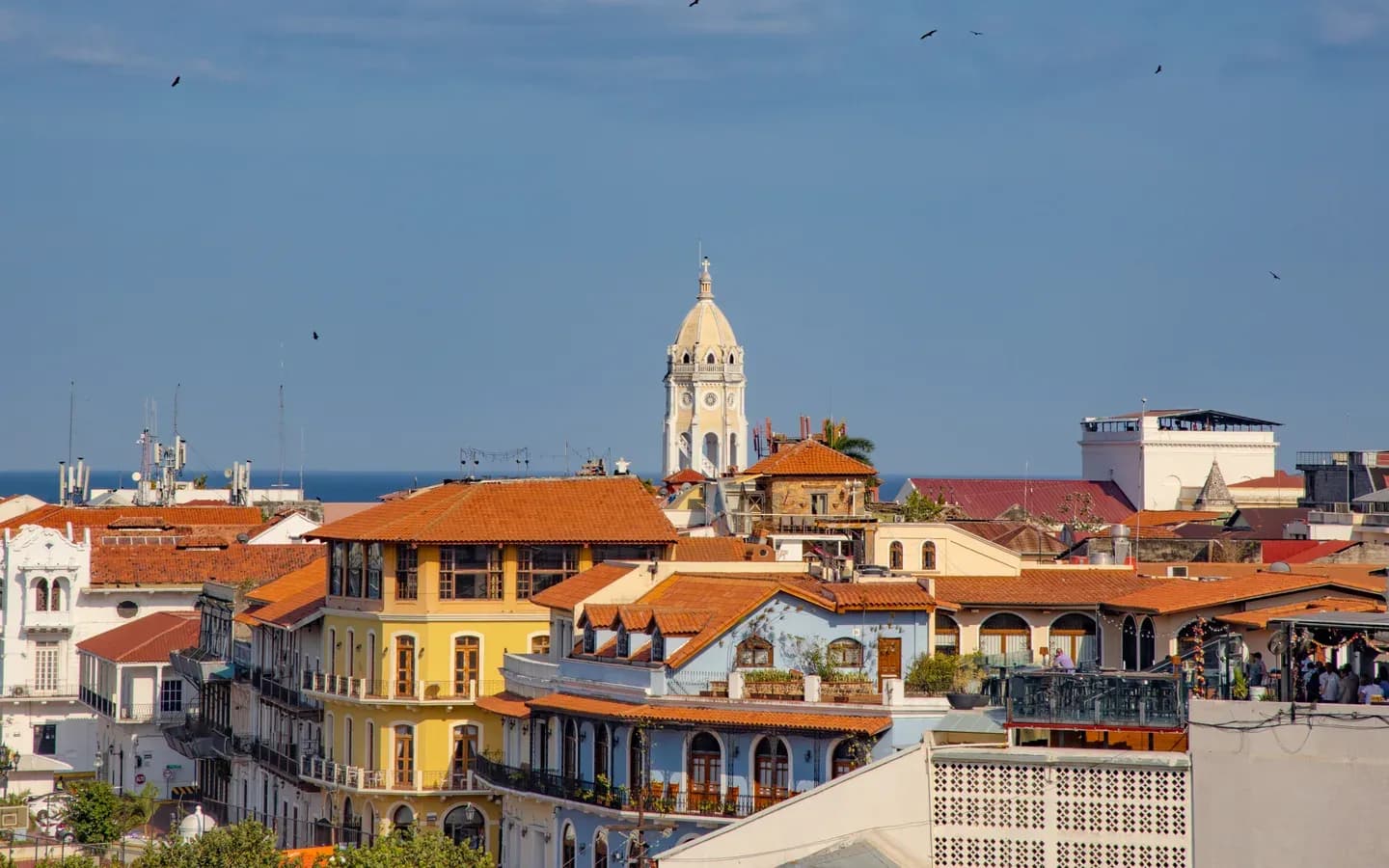
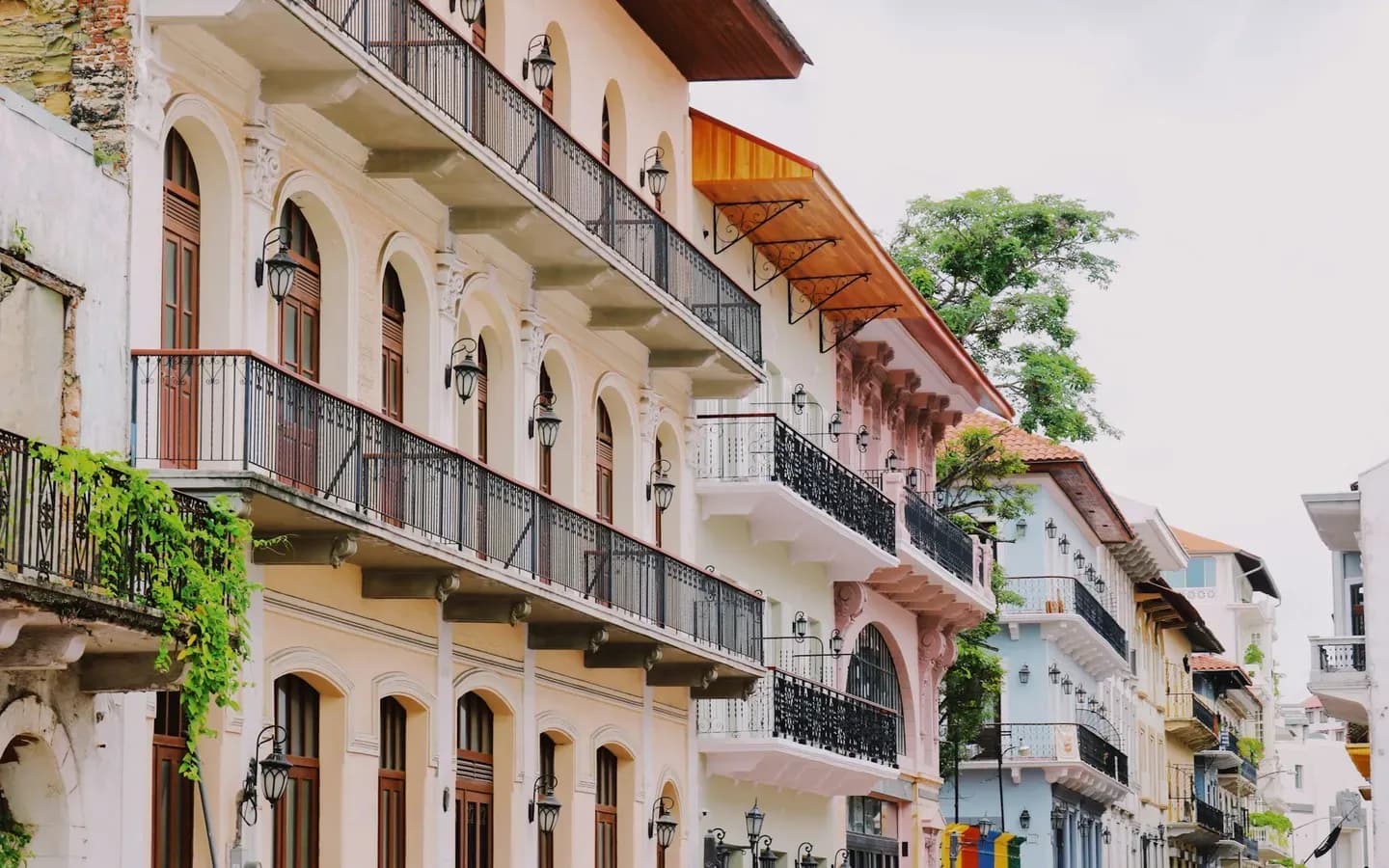
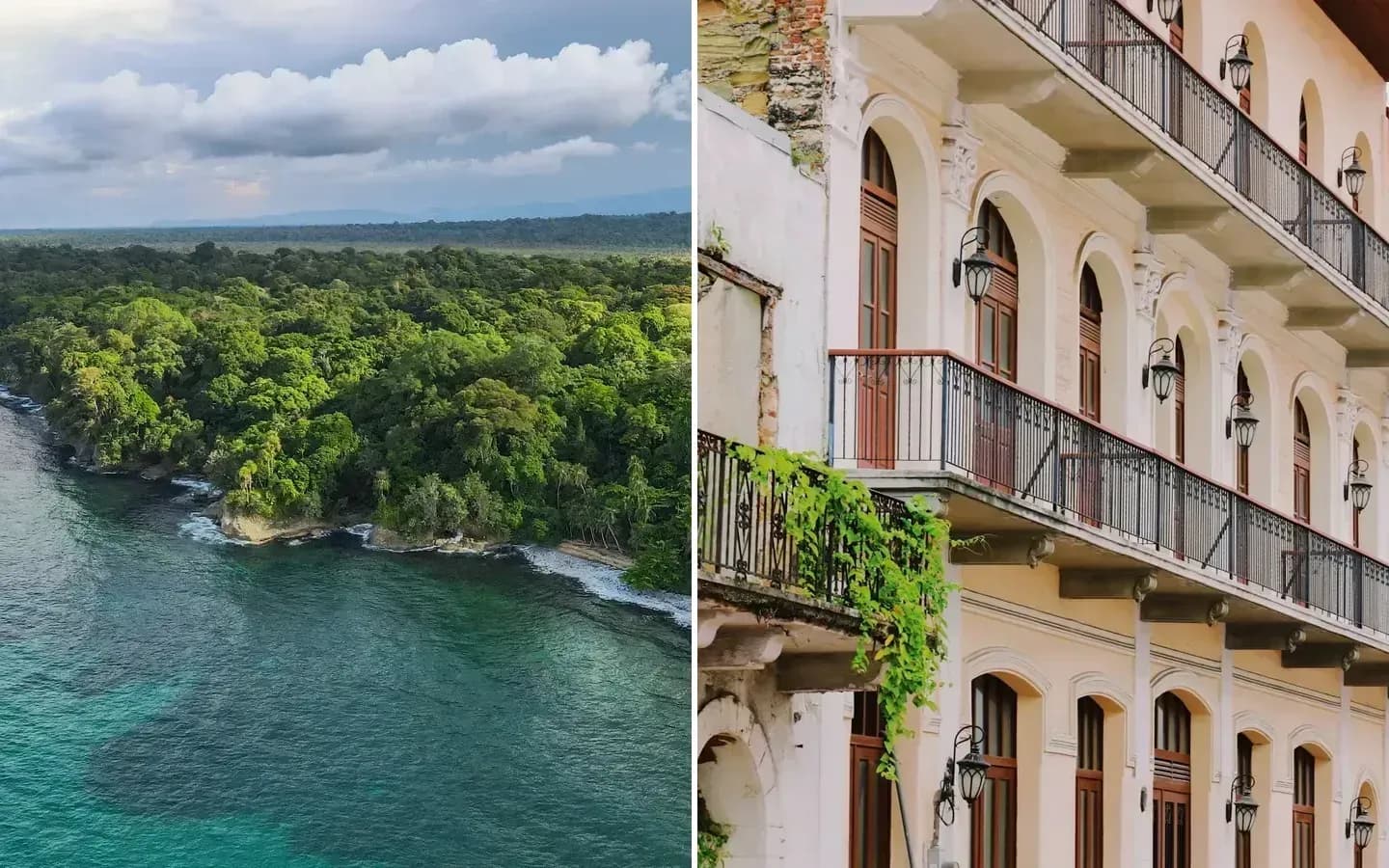
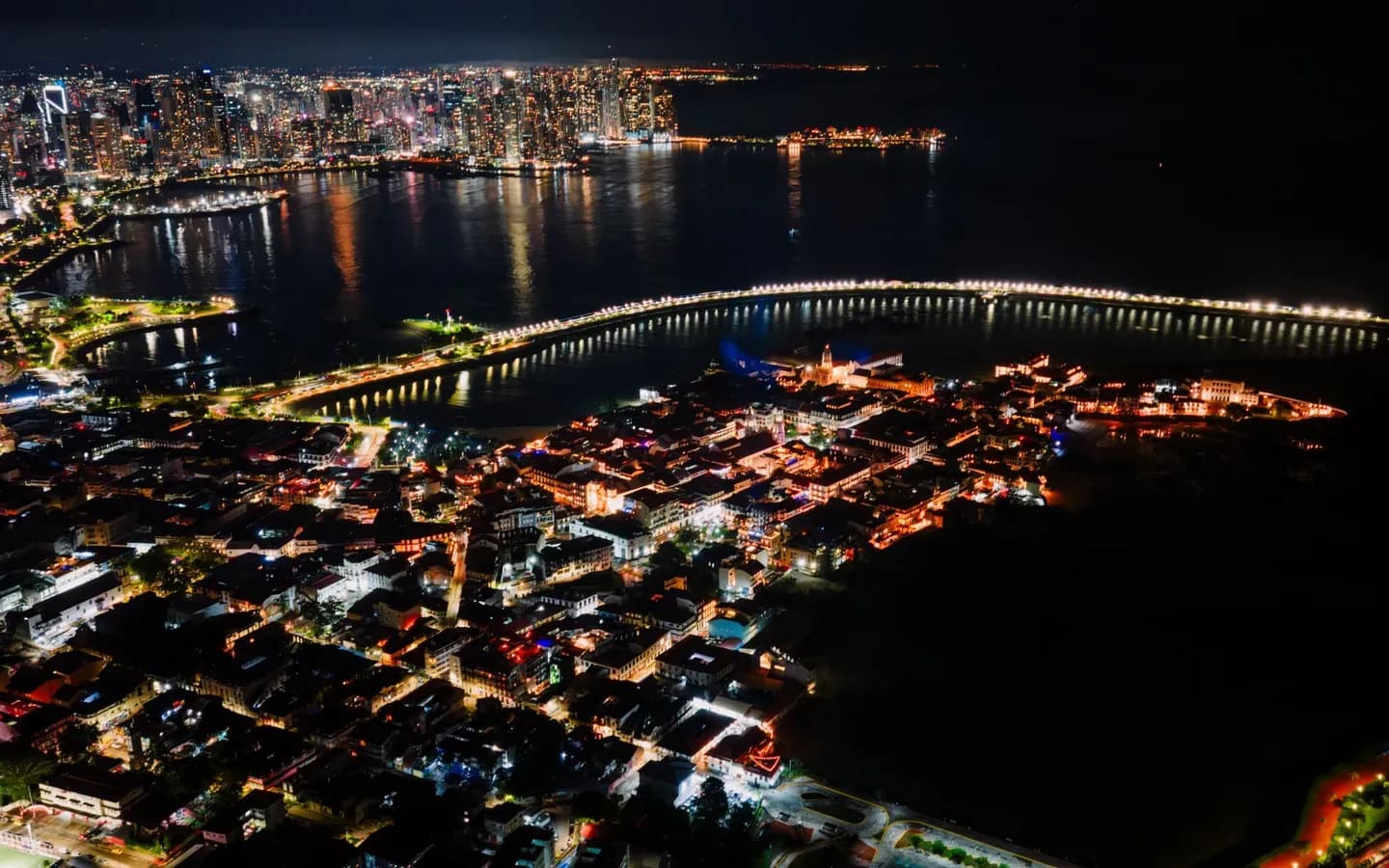
Casco Viejo is the old quarter, laid out in 1673 after pirates burned the first city, and now the part of town where you will actually want to walk. Restored pastel facades, rooftop bars, a cathedral square, and plenty of buildings still half-ruined between the finished ones. It is compact enough to do on foot in a morning.
Panamá Viejo, on the other side of the modern city, is what the pirates left of the original 1519 settlement. Stone shells, a bell tower you can climb, and a good museum. Half a day.
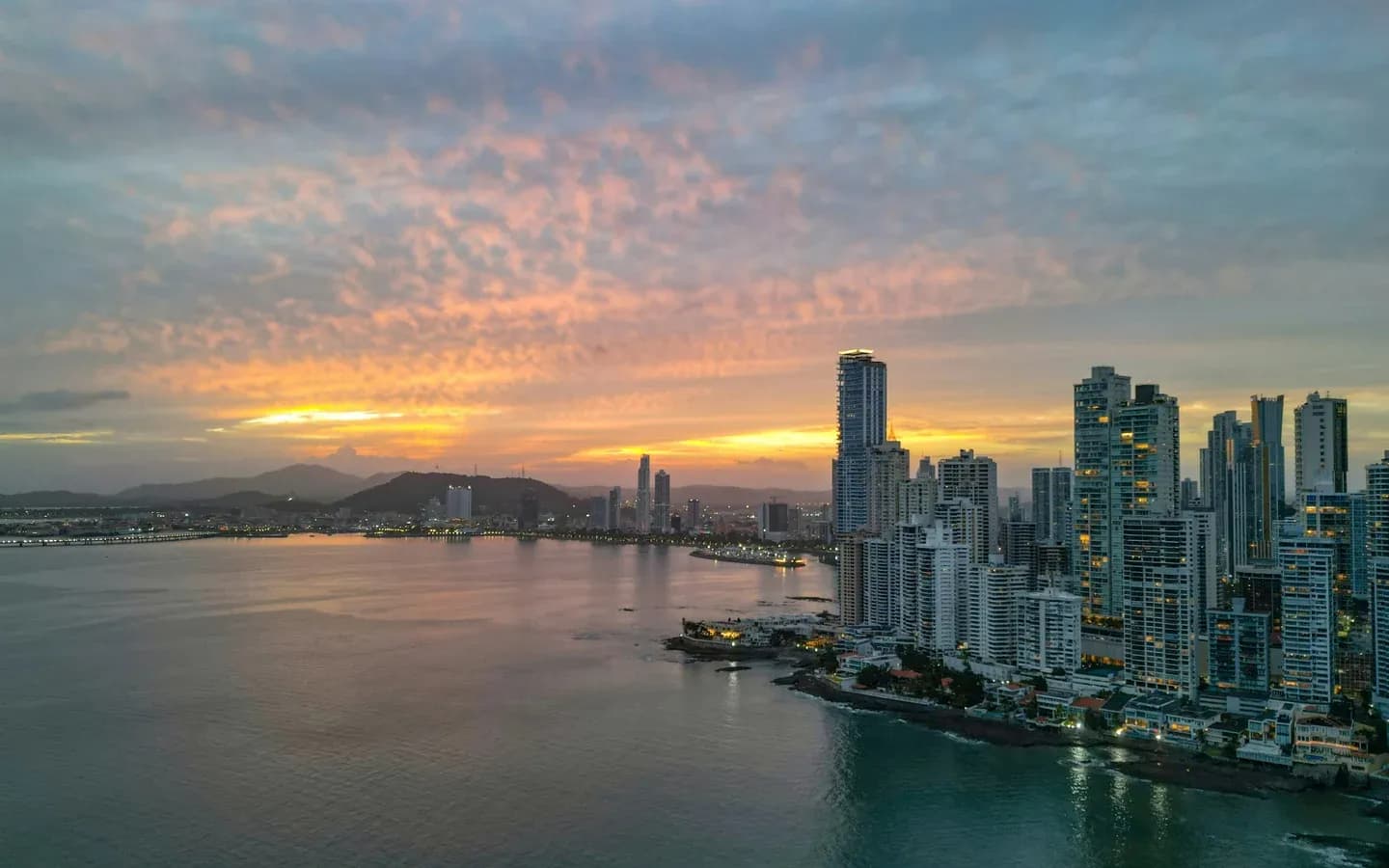
The Cinta Costera is the waterfront road and park that curves around the bay, and the standard view of the skyline is from there looking back. The fish market at its western end does a plate of ceviche for a couple of dollars, which is the correct lunch before the old town.
For an honest picture of how the city feels day to day, and where the sensible caution lies, we have written that up separately in is Panama safe.
If you have three days or more
Gamboa and Soberanía National Park sit inside the canal watershed, forty minutes from the city. Howler monkeys, toucans, and one of the most birded stretches of road in the Americas. You can be back for dinner.
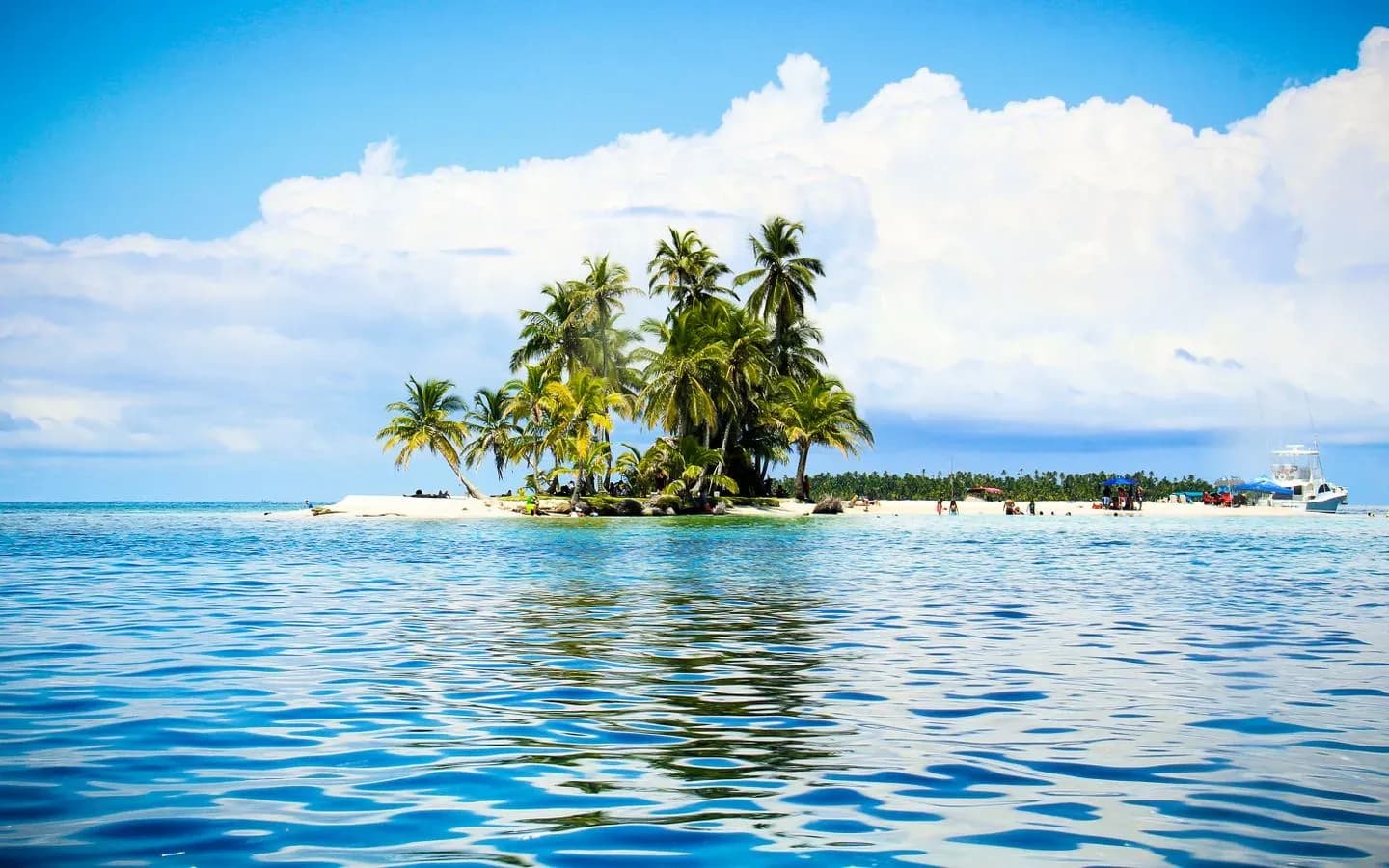
San Blas, or Guna Yala, is a chain of small Caribbean islands run by the Guna themselves. Getting there is a 4x4 transfer and a boat, and the accommodation is simple by design. It is not a half-day trip and should not be sold as one.
Boquete and the Chiriquí highlands are a short flight west: cloud forest, a volcano, and the coffee farms that grow Geisha, which regularly sets the world auction record. This is the part of Panama that surprises people who came for the canal.
If you are already crossing the region, Panama pairs naturally with Costa Rica on one trip, and we build a lot of itineraries that way.
Things that catch cruise passengers out
The currency is the US dollar. Prices are quoted in balboas, which are pegged one to one, and the coins are Panamanian. You do not need to change money.
If you connect through the United States, you need an ESTA, even for a couple of hours in the terminal. Routes through Madrid, Amsterdam or Paris avoid that entirely. There are no direct flights from the UK.
Tap water is drinkable in Panama City and most of the country, with Bocas del Toro the usual exception.
The rainy season runs roughly May to November, and it usually means a heavy afternoon downpour rather than a lost day. The Caribbean side stays wetter for longer.
Taxis are cheap and mostly unmetered. Agree the fare first, or use an app.
Flying a drone? The canal, the airports and the national parks are all restricted. The rules are in our Panama drone laws guide.
So is it worth adding the days?
If the canal is the reason you booked, yes, without much argument. Standing at the lock wall while a ship the length of three football pitches is lifted past you is a different order of experience from watching it happen slowly beneath your own feet.
Most people arrive thinking of Panama as a piece of engineering with a city attached. They leave having spent a morning listening to howler monkeys and an afternoon in a 350 year old street, wondering why nobody had mentioned either.
When you are ready to put the land side together, our tailor-made Panama holidays start from the ports and dates you already have, and we work backwards from your ship.
Frequently Asked Questions
Yes. The Miraflores Visitor Centre near Panama City and the Agua Clara Visitor Centre near Colón both have viewing terraces over working locks, and either can be visited in half a day from the city. You can also take a partial transit day trip on a small boat, which puts you inside the lock chambers alongside the commercial ships.
Add Panama to Your Canal Cruise
Tell us your ship, your port and your dates, and we will build the land side around them, flights and hotels arranged, ATOL protected end to end.
MORE FROM TRAVELFAB
Holidays you might like
DESTINATIONS
Explore these places
KEEP READING
More stories
Is Panama Safe? What UK Travellers Need to Know
Panama is one of Central America's safest countries, with clear exceptions. What the FCDO says, where to take care, and the Darién Gap explained.
Panama Drone Laws 2026: The Rules for Travellers
Can you fly a drone in Panama? 2026 AAC rules: registration at Albrook, the Panama Canal no-fly zone, customs limits and tips for travelling pilots.
Costa Rica and Panama Itinerary: Two Weeks from the UK
How to combine Costa Rica and Panama in one two-week trip from the UK: a night-by-night route, how to cross between the two, and when to fly instead.
Do You Need an ESTA to Transit the USA? How to Fly to Latin America Without One
Yes, even for a two-hour connection. What a US transit involves, who cannot get an ESTA, and how to reach Latin America from the UK without the USA.