
PRACTICAL TRAVEL TIPS
Is Panama Safe? What UK Travellers Need to Know
Panama is one of Central America's safest countries, with clear exceptions. What the FCDO says, where to take care, and the Darién Gap explained.

Yes, Panama is safe to visit. It is the second most peaceful country in Central America on the Global Peace Index, behind only Costa Rica, and the UK Foreign Office does not advise against travel to anywhere on a normal holiday route. A few places need care, and this guide tells you exactly where they are and how far they sit from anywhere you would stay.
We plan trips across the country from the UK, so what follows is the same advice we give our own customers: what the FCDO actually says, how Panama City feels on the ground, and the small habits that keep a trip uneventful in the best possible way. For the full picture of where you would actually go, see Panama with Travelfab.
What does the UK Foreign Office say about Panama?
The FCDO does not advise against travel to Panama. There is no country-wide warning of the kind you may have seen for other destinations. Its advice is specific and geographic, and it concentrates on one region: the far south-east, where Panama borders Colombia.
The wording covers the area east of a line drawn between Punta Carreto on the Caribbean coast, Yaviza in eastern Darién Province, and Punta Piña on the Pacific coast. For that zone, and for Darién Province generally, the guidance is clear:
Only travel to Darién Province in an organised group, and make sure local police and security authorities are aware of your visit.
The reason is spillover from across the Colombian border, and the advice is worth taking seriously. It also concerns a corner of the country with no roads and nothing a holiday would go there for. More on that below.
Elsewhere, the FCDO notes the things you would expect of any Latin American country: petty theft in cities, occasional demonstrations that can block roads at short notice, and standard advice about cash and ATMs. Check the current FCDO Panama travel advice before you book and again before you fly. This guide reflects the advice as of August 2026, and advice can change.
Is Panama City safe for tourists?
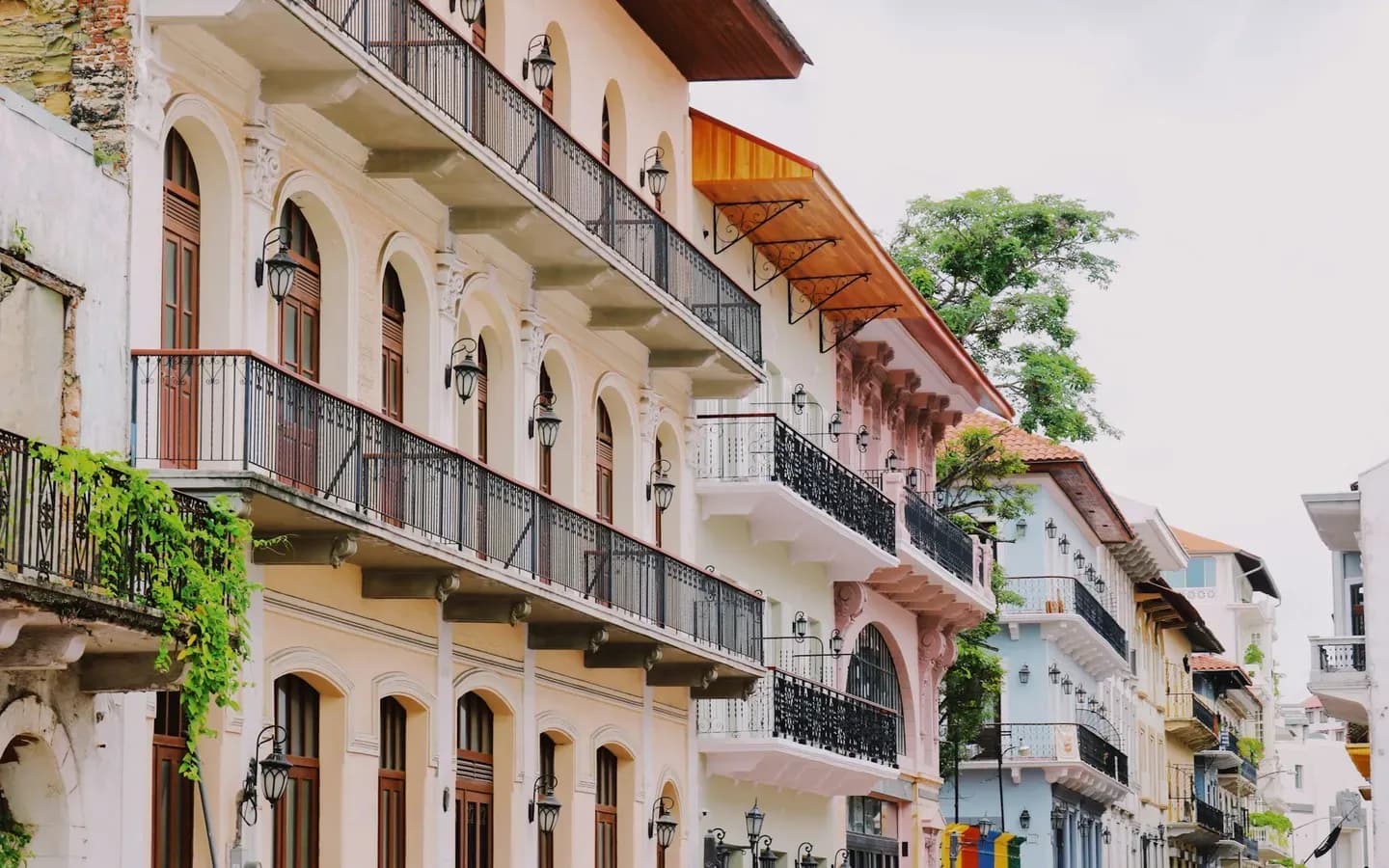
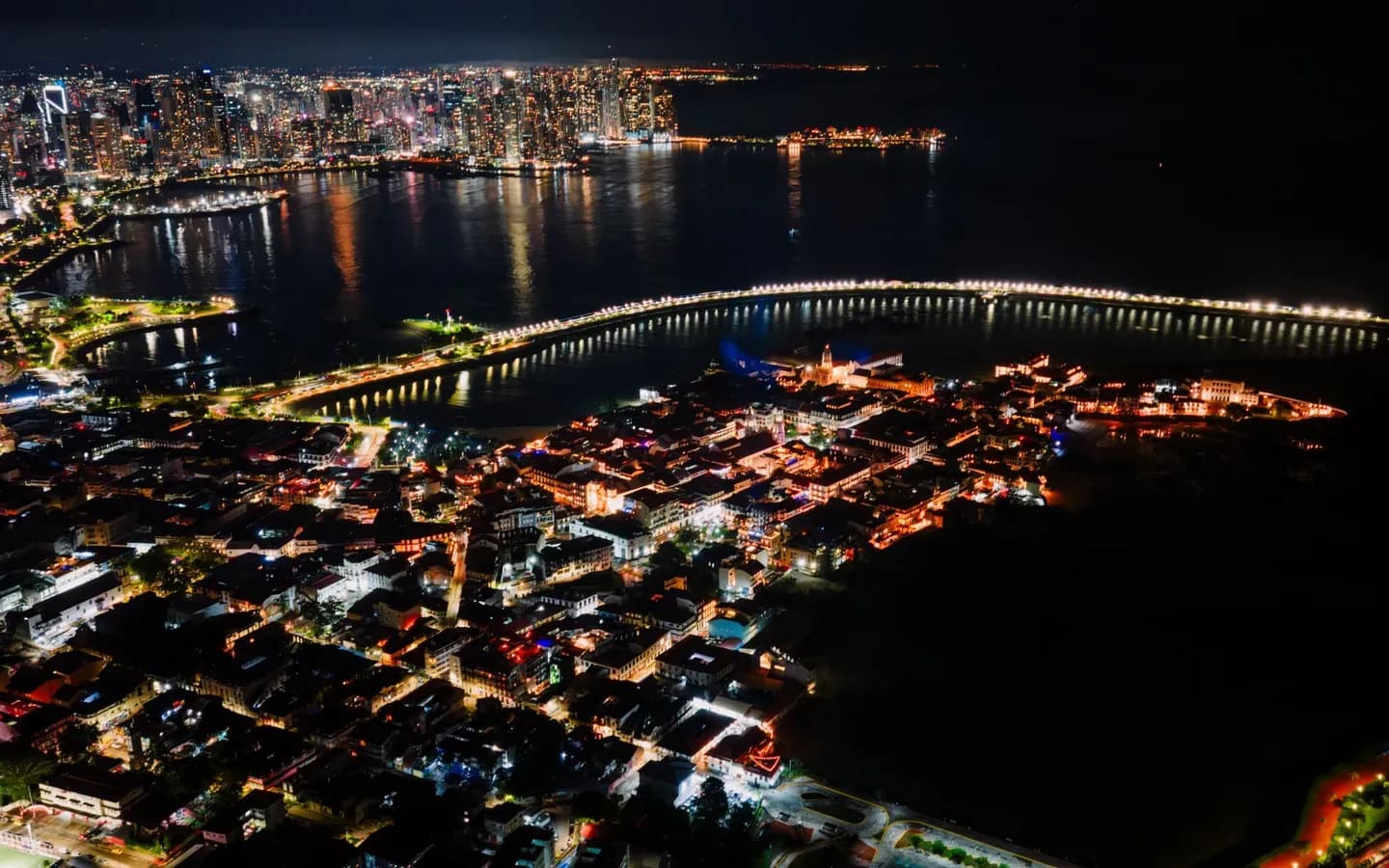
Yes, in the areas you will actually spend time in. Visitors stay and eat in Casco Viejo, the banking district around Calle Uruguay and Obarrio, and along the Amador Causeway. These are busy, well-lit, heavily walked areas where the sensible big-city rules are all you need.
Casco Viejo is the one that surprises people. Twenty years ago it was a no-go area. Today it is the restored colonial heart of the city, full of rooftop bars and boutique hotels, with a visible police presence. Pickpocketing happens, as it does in any tourist quarter, so keep your phone off café tables and do not carry more cash than you need for the evening.
The geography matters here: the restored blocks of Casco Viejo sit right next to El Chorrillo and Santa Ana, two districts the FCDO specifically names for higher crime. The border between them is a matter of streets. Stay within the restored old town, and if you are out late, take a taxi back rather than walking the fringe.
The other districts on the FCDO's list are residential areas nowhere near the sights; you would have to try quite hard to end up in them.
Getting around is straightforward. Uber works well in Panama City and takes card payment, which removes the classic taxi-fare negotiation. Use ATMs inside banks or shopping centres rather than street machines, a habit the FCDO recommends and locals follow too.
What is the Darién Gap, and does it matter for your holiday?
The Darién Gap is the roadless stretch of rainforest between Panama and Colombia, the only break in the Pan-American Highway between Alaska and Argentina. The road stops at the town of Yaviza, and that is where the FCDO's organised-group advice applies.
For your planning, the geography is the whole story. The Darién is a day's drive east of Panama City, in the opposite direction from everywhere tourists go: the Canal, Casco Viejo, Boquete's coffee farms, Bocas del Toro and the Pacific beaches all lie west of the capital or on the islands. There is no through-road that could take you there by accident, and no itinerary we build goes anywhere near it.
Two practical notes. If your trip continues to Colombia, you fly; flights from Panama City are short and frequent. And the San Blas islands are not the Darién: the island groups that trips actually visit sit at the western end of Guna Yala, reached by road from Panama City, a long way from the border zone the FCDO describes.
Is the rest of Panama safe?
The countryside is, if anything, more relaxed than the capital.
Boquete and the Chiriquí Highlands are coffee-farm and hiking territory with a large retiree community and very little crime. The real risks here are outdoor ones: weather turns quickly on Volcán Barú and the cloud-forest trails, so walk the longer routes with a guide, tell your hotel where you are heading, and start early.
Bocas del Toro is a laid-back island archipelago where the main annoyances are petty: do not leave valuables unattended on beaches, and use the licensed water taxis between islands. One local quirk worth knowing: unlike most of Panama, the tap water in Bocas often comes from rainwater systems, so drink bottled or filtered water there.
Colón city, on the Caribbean end of the Canal, is the one town locals will tell you to skip, and they are right: street crime is high and there is nothing there a visitor needs. The nearby attractions, such as the Agua Clara locks and the San Lorenzo fort, are visited on organised day trips without spending time in the city itself.
One country-wide note: Panamanian demonstrations are usually about domestic politics and are not aimed at tourists, but they can appear at short notice and block main roads, including the highway towards the Costa Rica border. If you have a long transfer or a border crossing coming up, check the local news the day before, or let your operator do it for you.
How does Panama compare with the rest of Central America?
Favourably. The 2025 Global Peace Index ranks Panama 84th of 163 countries, second in Central America behind Costa Rica at 54th, and ahead of every other country in the region. It is a stable democracy that abolished its army in the 1990s and uses the US dollar. Panama City is one of Latin America's main banking centres, and the country has drawn retirees from North America and Europe for decades. None of that makes it crime-free, and like every country in the region it has gangs in poorer urban districts, but that violence overwhelmingly stays within those districts and within those groups.
For a UK traveller, the practical read is this: Panama sits in the same safety bracket as Costa Rica, the region's benchmark, and the two pair naturally in a single trip. If you are weighing them up, our tailor-made Panama holidays can include both.
Our practical safety tips for Panama
These are the habits we suggest to every customer. None of them are complicated.
For routes, flight times and what a return costs, see our guide to flights to Panama from the UK.
Use Uber or hotel-arranged taxis in Panama City, especially after dark.
Withdraw cash from ATMs inside banks or shopping centres, and carry only what the day needs.
Keep your phone in your pocket on the street and off restaurant tables.
Stay within the restored blocks of Casco Viejo at night and taxi back to your hotel.
Drink the tap water in Panama City and the highlands if you wish, but stick to bottled water in Bocas del Toro and on the islands.
Pack strong mosquito repellent: dengue occurs in Panama, mainly in the wet season. Check TravelHealthPro for current health guidance and any recommended vaccinations.
Expect heavy afternoon rain from roughly May to November. Panama sits south of the main Atlantic hurricane track, so direct hurricane hits are all but unknown, but wet-season downpours can flood roads.
The emergency number is 911, and it works countrywide.
Flying a drone? Panama has real rules about it. Read our Panama drone laws guide before you pack one.
Frequently Asked Questions
In the visitor areas, yes. Casco Viejo, Calle Uruguay and the hotel districts stay busy into the evening and are well policed. The sensible rule is to walk where the crowds are and take an Uber or taxi between neighbourhoods rather than crossing quiet streets on foot after dark.
Plan Your Panama Trip with a Specialist
We build tailor-made Panama holidays around the established routes in this guide, with flights included and ATOL protection end to end.
MORE FROM TRAVELFAB
Holidays you might like
DESTINATIONS
Explore these places
KEEP READING
More stories
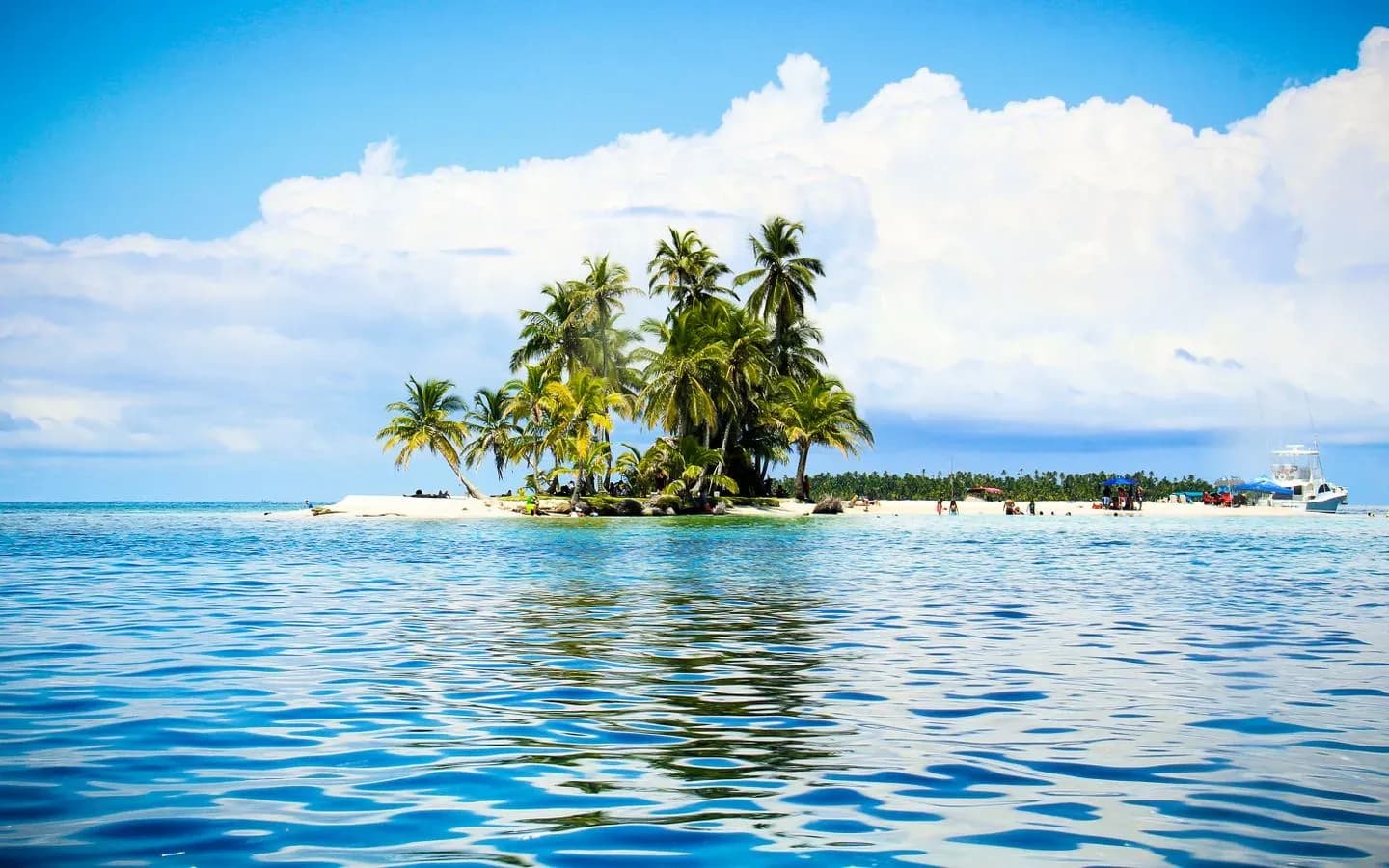
Panama Drone Laws 2026: The Rules for Travellers
Can you fly a drone in Panama? 2026 AAC rules: registration at Albrook, the Panama Canal no-fly zone, customs limits and tips for travelling pilots.
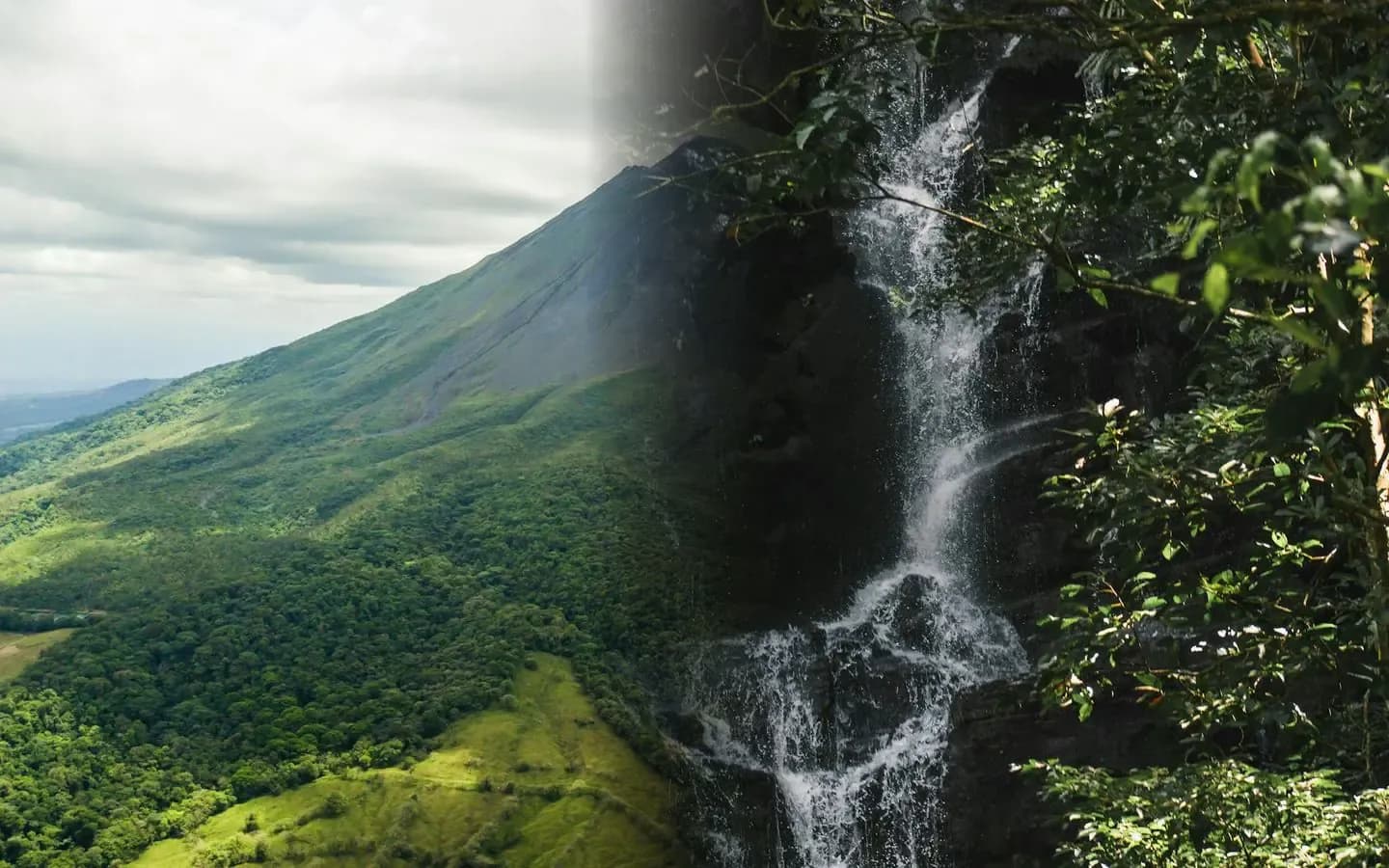
Is Costa Rica Safe? What UK Travellers Need to Know
Is Costa Rica safe for UK travellers? What the FCDO says, crime, safe areas, solo and family travel, health, driving and scams to avoid.
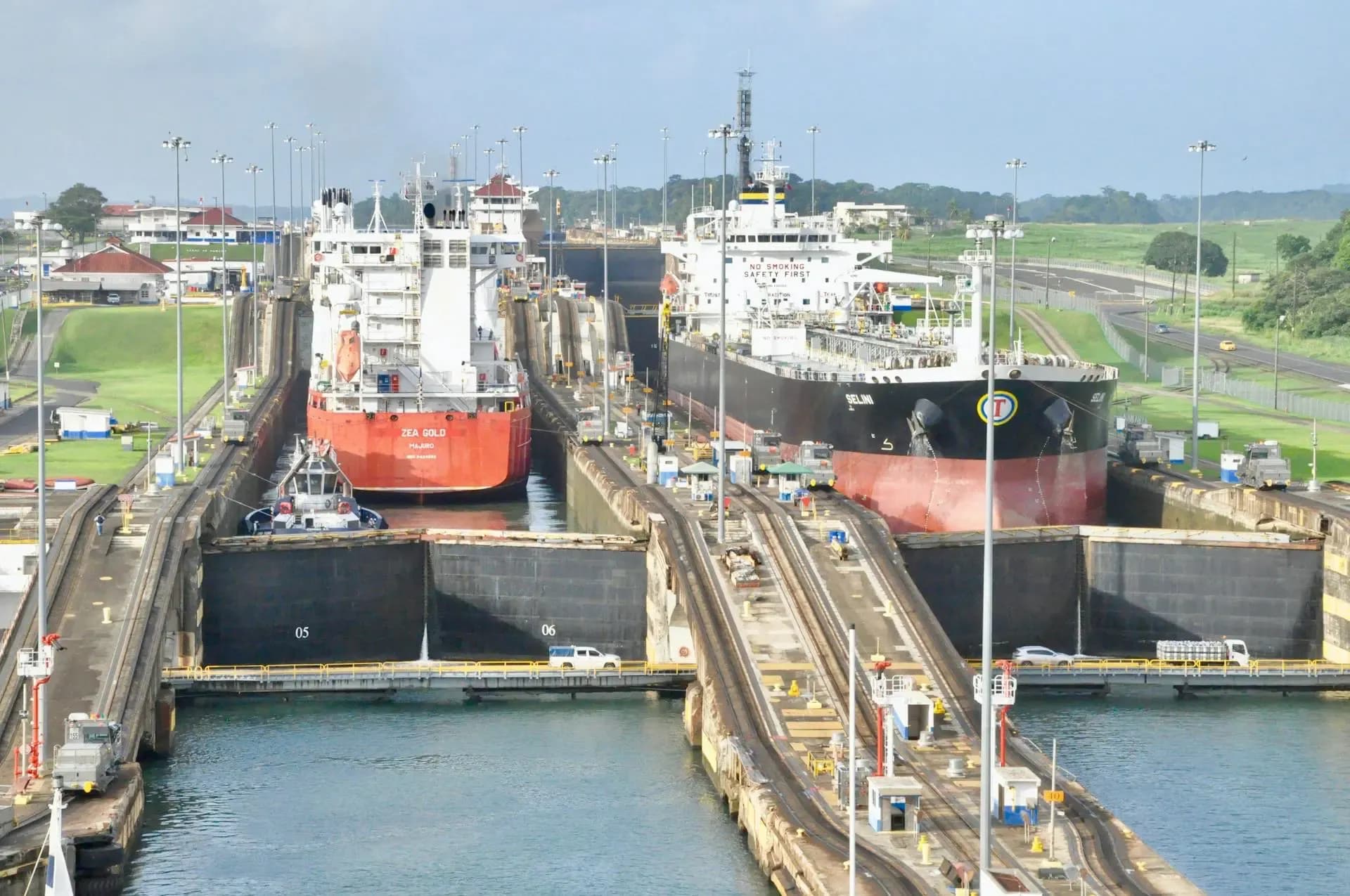
Panama Canal Cruise: What to Do on Land
Booked a canal cruise? How to see the locks from land, what is worth your time in Panama City, and how many days to add before or after you sail.
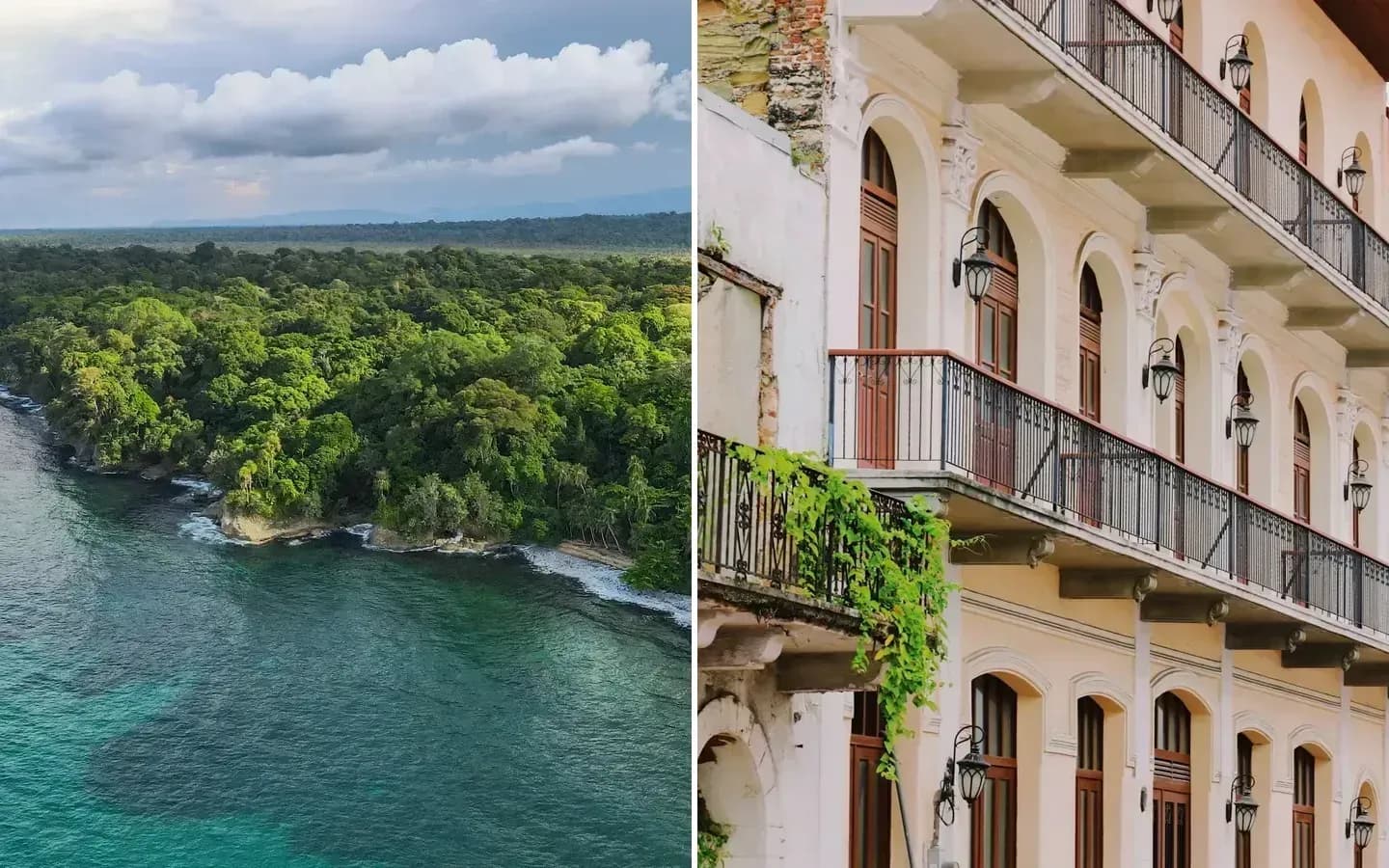
Costa Rica and Panama Itinerary: Two Weeks from the UK
How to combine Costa Rica and Panama in one two-week trip from the UK: a night-by-night route, how to cross between the two, and when to fly instead.
Do You Need an ESTA to Transit the USA? How to Fly to Latin America Without One
Yes, even for a two-hour connection. What a US transit involves, who cannot get an ESTA, and how to reach Latin America from the UK without the USA.