
PRACTICAL TRAVEL TIPS
Is Costa Rica Safe? What UK Travellers Need to Know
Is Costa Rica safe for UK travellers? What the FCDO says, crime, safe areas, solo and family travel, health, driving and scams to avoid.

Costa Rica is one of the safest countries in Latin America, and for most UK travellers it feels calm, welcoming and easy to get around. It's a stable democracy that abolished its army in 1948, it scores higher than any of its neighbours on the Global Peace Index, and its whole economy is built around looking after visitors. The main thing to manage isn't danger, it's petty theft, the kind you'd guard against in any busy holiday spot.
That's the honest version we'd give you on the phone. Below is the detail: where you can relax, the few places to be a bit more careful, and the practical risks (riptides, mountain roads, mosquitoes) that catch people out more often than crime does. We run trips to Costa Rica on established routes with local guides, ATOL 10898 protected, so we'll be straight with you rather than alarmist.
Is Costa Rica safe to visit?
Yes. Costa Rica is consistently rated among the safest countries in Central and Latin America, and serious crime against tourists is rare. The realistic risk is opportunistic petty theft, bag-snatching, things taken from a parked rental car, a phone left on a beach towel. Violent crime exists, as it does anywhere, but it's concentrated in specific areas that aren't on a normal tourist route. Use the same common sense you would in any unfamiliar city and you're very unlikely to have any trouble. The tourist regions, Arenal, Monteverde, Manuel Antonio, the Guanacaste coast, are about as relaxed as travel gets.
How safe is Costa Rica, really?
Some context helps. Costa Rica has no army, a long record of political stability, and tourism makes up a huge share of its income, so the country invests heavily in keeping visitors safe and the experience smooth. Tourist police patrol the busy areas, the infrastructure is good, and English is widely spoken in the travel trade.
What that doesn't remove is everyday petty crime, which has ticked up in the cities in recent years. The pattern is almost always opportunistic rather than confrontational: a bag lifted from the back of a chair, a smash-and-grab from a car left with valuables on the seat, a distraction at a bus station. None of it is unique to Costa Rica, and none of it should put you off, it just means you don't leave temptation lying around.
Areas to know
Most of Costa Rica is reassuringly safe, and a few spots simply deserve a little more care:
San José, the central tourist areas are fine in daytime. Avoid wandering quiet streets late at night, and steer clear of the area around the Coca-Cola bus terminal after dark.
Limón and Puntarenas, these working port cities have rougher neighbourhoods. You'll usually pass through rather than stay, and your guide will keep you to the right areas.
Empty beaches and car parks, don't leave anything visible in a parked car, and don't leave bags unattended on the sand.
The national parks and tourist towns, Arenal/La Fortuna, Monteverde, Manuel Antonio, Tamarindo, Nosara and the Nicoya Peninsula are all very safe and used to international visitors.
Is Costa Rica safe for solo travellers?
Yes, and it's a popular choice for them. Costa Rica is one of the easier Latin American countries to travel solo, including for solo female travellers, the tourist trail is well-worn, hostels and lodges are sociable, and organised day tours make it simple to do the big experiences with others. Take the usual precautions: keep an eye on drinks, use registered transport at night, and don't broadcast expensive kit. Occasional catcalling happens but is rarely threatening.
Is Costa Rica safe for families?
Very. It's one of the most family-friendly destinations in the region, short distances between attractions, wildlife that children love, and well-run lodges set up for families. The things to watch are practical rather than criminal: strong sun, riptides on the Pacific beaches, and long winding drives that can be tiring with young children. Our Costa Rica Nature Lovers trip is an easy, wildlife-rich route that works well for families.
The risks that actually catch people out
Crime is rarely the problem in Costa Rica. These are:
Riptides. The Pacific coast has powerful currents and a real drowning risk. Swim only at beaches with lifeguards or local advice, and never swim alone or after drinking.
The roads. Mountain routes are narrow, foggy and poorly lit, with sudden potholes and rain. A 4x4 is worth it, and you should avoid driving in remote areas after dark. Many travellers prefer a private driver, which we can arrange.
Wildlife and water. Don't feed or handle wildlife, watch for crocodiles near river mouths, and use insect repellent, dengue is mosquito-borne and present in lowland areas. Tap water is safe to drink in San José and most tourist areas.
Sun and heat. The tropical sun is stronger than it feels under cloud cover. Cover up and hydrate, especially on hikes.
Scams and money
The scams are minor and easy to dodge. Stick to official taxis (the red ones with a yellow triangle, or orange ones at the airport) or use Uber in San José, and agree the fare or insist on the meter. Be wary of "guides" who approach you unprompted, and read the small print on rental-car insurance, where upselling is common. Carry only the cash you need, use ATMs inside banks or malls during the day, and split your cards and cash between bag and pocket.
Emergencies and travel advice
Costa Rica uses 911 for all emergencies, and operators in tourist areas often speak English. Before you travel, read the current FCDO travel advice for Costa Rica and make sure your travel insurance covers any activities you're planning (zip-lining, rafting, surfing). Keep a copy of your passport and insurance details separate from the originals.
How we keep your trip safe
A guided or tailor-made trip removes most of the small risks before they arise. We build Costa Rica itineraries on established routes, use vetted local guides and drivers who know which areas to use and which to skip, book lifeguarded beaches and reputable activity operators, and keep you supported throughout, all ATOL 10898 protected. If you're weighing Costa Rica against somewhere else, our Costa Rica vs Cuba comparison and the best time to visit Costa Rica are good next reads, and the 10-day Costa Rica itinerary shows a typical safe route.
Reassured? Start with our private Costa Rica Coast to Coast journey and the best places to visit in Costa Rica.
For routes, flight times and what a return costs, see our guide to flights to Costa Rica from the UK.
Ready to plan it properly? Tell us what you're hoping to do and we'll put together a route that's as safe as it is memorable. You can also see our Costa Rica holidays for inspiration, or check the flights to Costa Rica from the UK.
Frequently Asked Questions
Yes. Costa Rica remains one of the safest countries in Latin America for visitors, with serious crime against tourists rare and the main risk being opportunistic petty theft. The popular regions, Arenal, Monteverde, Manuel Antonio and the Guanacaste coast, are very safe and well set up for international travellers. Check the current FCDO advice before you travel, as you would for any destination.
Plan a Safe, Well-Run Costa Rica Trip
Our specialists build Costa Rica itineraries on established routes with vetted local guides and drivers, ATOL 10898 protected, with support throughout your trip.
MORE FROM TRAVELFAB
Holidays you might like
DESTINATIONS
Explore these places
KEEP READING
More stories
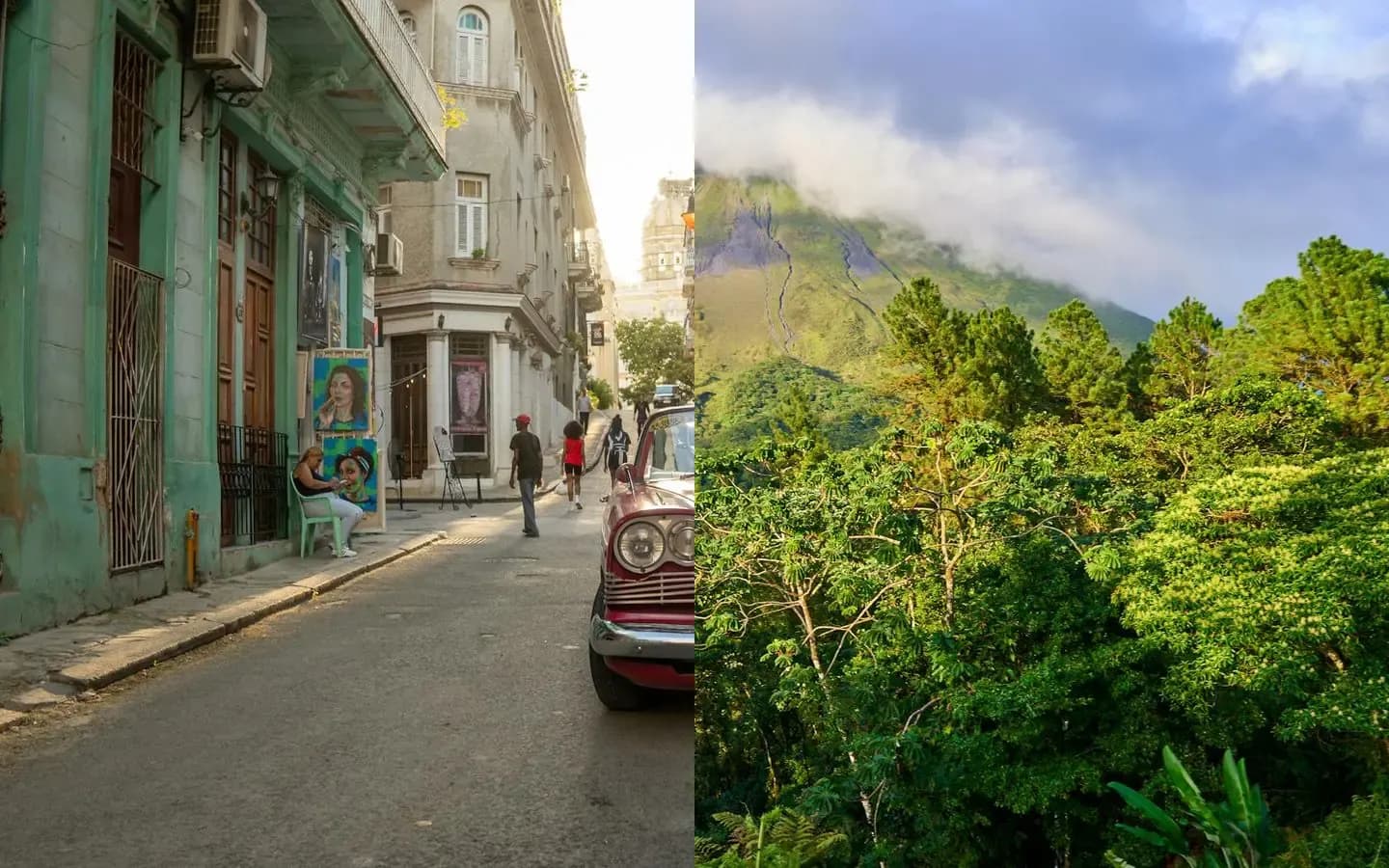
Costa Rica vs Cuba: An Honest Comparison for UK Travellers
Cuba or Costa Rica? An honest UK comparison, beaches, wildlife, culture, cost and safety, plus how to combine both in one trip.

Costa Rica Itinerary: The Perfect 10 Days for UK Travellers (2026)
A specialist's day-by-day 10-day Costa Rica itinerary for UK travellers, Arenal, Monteverde cloud forest and Manuel Antonio, plus when to go.
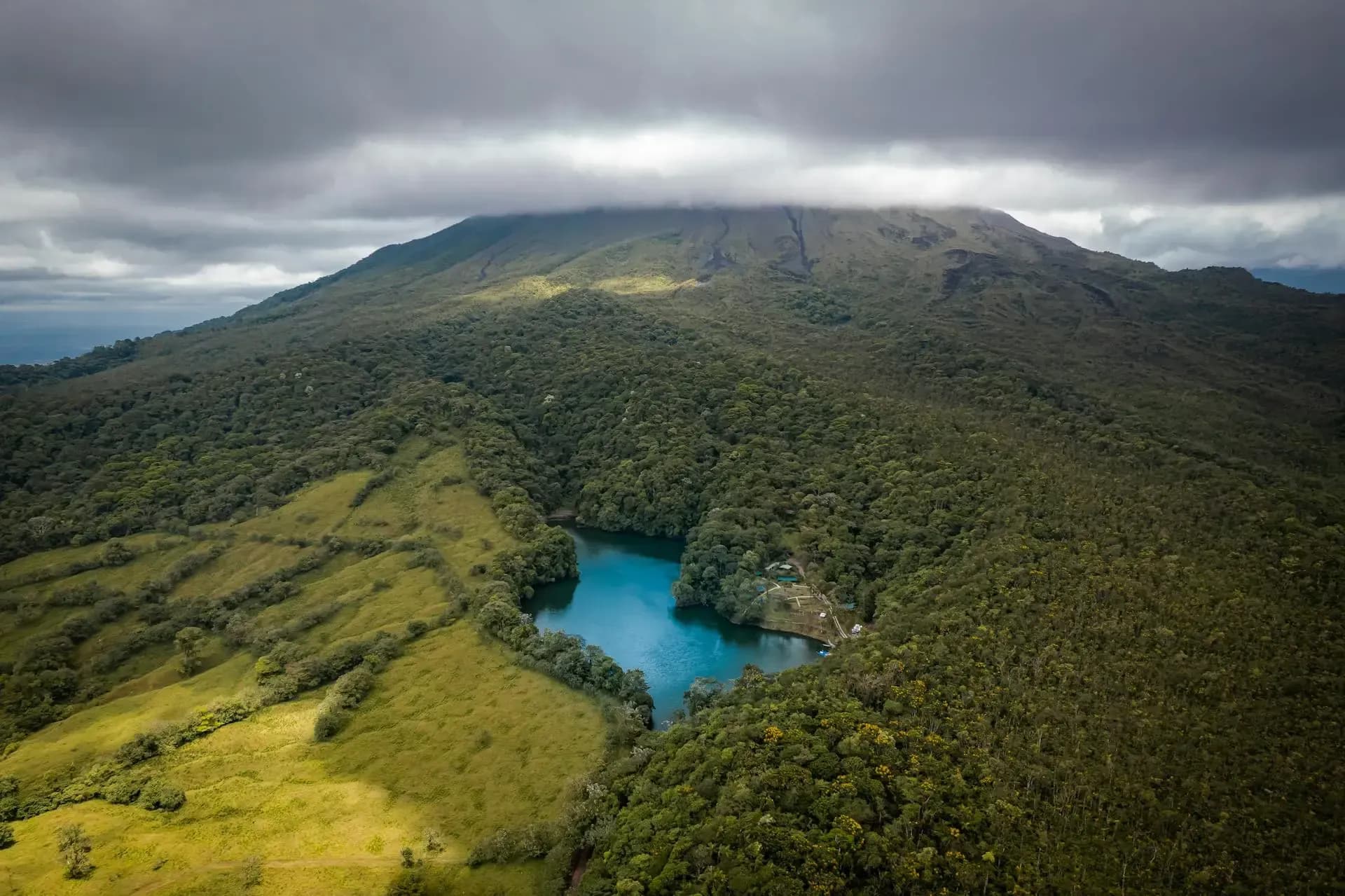
Best Time to Visit Costa Rica: Weather, Wildlife & Where to Go
A Costa Rica specialist's month-by-month guide, weather, wildlife seasons and the surprising best time to go. Plan your trip with Travelfab.
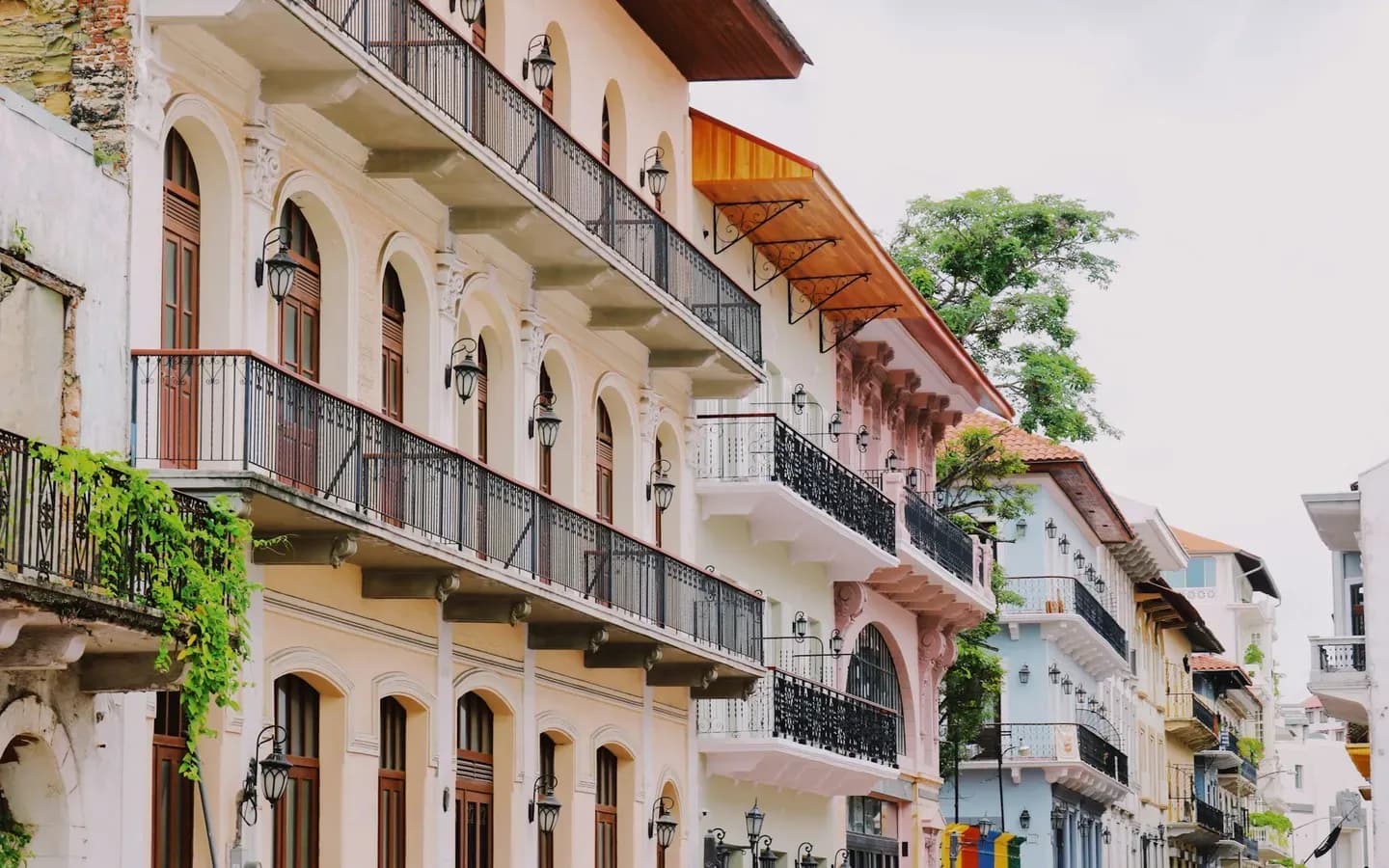
Is Panama Safe? What UK Travellers Need to Know
Panama is one of Central America's safest countries, with clear exceptions. What the FCDO says, where to take care, and the Darién Gap explained.