DESTINATION GUIDES
Best Time to Visit Costa Rica: Weather, Wildlife & Where to Go
A Costa Rica specialist's month-by-month guide, weather, wildlife seasons and the surprising best time to go. Plan your trip with Travelfab.

The short answer
Want the safest bet for sunshine? Go between December and April. That's Costa Rica's dry season: clear Pacific skies, reliable beaches, dry rainforest tracks. It's also peak season, so you pay more and share the place with everyone else who read the same advice.
But "best" depends on what you came for. If your trip is built around wildlife, value, or simply having a national park to yourself, the green season (May to November) is a serious contender. There's one month in particular we'd pick over all the others, and I'll make the case for it further down.
And here's the thing almost every guide gets wrong: Costa Rica doesn't have one climate. The Caribbean coast runs on its own calendar completely, and once that clicks, the whole map of when to go changes. So let's start there.
Costa Rica's two seasons (and the Caribbean exception)
On the Pacific side and through the central highlands, the year splits cleanly in two:
Dry season (mid-December to April). Locals call it verano, summer: bright mornings, little rain, golden Guanacaste. December and Easter are the busiest, priciest weeks of the year.
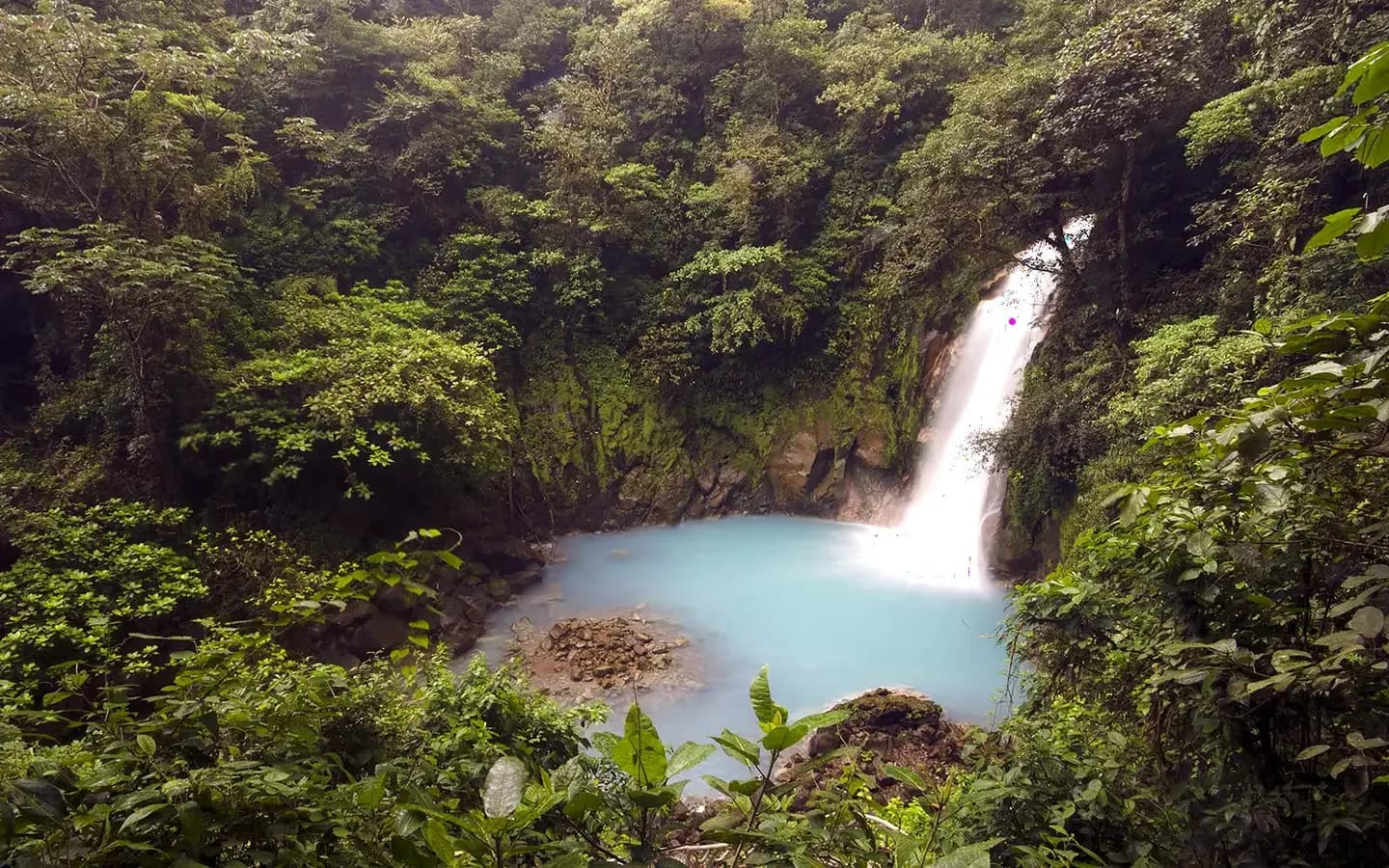
Green season (May to November). Invierno, winter. Mornings are usually clear; the rain tends to arrive as a heavy afternoon downpour that clears by evening. The land turns properly green, the waterfalls thunder, and prices drop. September and October are the wettest months on the Pacific.
Here's the part that catches people out. The Caribbean coast ignores all of that. The Talamanca mountains wring the moisture out of the trade winds, so Tortuguero, Puerto Viejo and Cahuita get their driest, sunniest stretch in September and October, the exact weeks the Pacific is at its soggiest. A "bad weather" month on one coast is the best beach weather of the year on the other. If you're planning around the rain, that's the single most useful thing to know.
Month by month
When | Weather | Crowds & prices | Wildlife highlights |
|---|---|---|---|
Dec–Feb | Peak Pacific dry season, warm, bright, low rain | Busiest & priciest (Christmas, New Year, Feb half-term) | Northern humpbacks arrive (peak Jan–Feb); quetzals gather; clear Arenal & Monteverde |
Mar–Apr | Last reliable dry weather; hottest in Guanacaste; first showers by late April | Easter (Semana Santa) spikes; quieter either side | Prime resplendent quetzals at San Gerardo de Dota; best cloud forests |
May–Jun | Green season begins, sunny mornings, heavy afternoon downpours | Low-season value; far fewer people | Forest comes alive; leatherback & green turtles start nesting (Caribbean) |
Jul–Aug | Green season; short drier "veranillo" spell in July | Mini-peak (school holidays); book popular lodges ahead | Tortuguero green-turtle nesting peaks; olive ridley arribadas build; southern humpbacks (peak Aug–Sep) |
Sep–Oct | Wettest on the Pacific, but driest & sunniest on the Caribbean | Quietest & cheapest of the year | Wildlife heart of the year: olive ridley arribadas peak, Tortuguero turtles, raptor migration |
Nov | Rain eases; dry season returns by late November | Quiet, smart shoulder before December prices | Green landscapes, full rivers, returning sunshine |
December–February
Weather: Peak dry season on the Pacific. Warm, bright, low rain. The northern Guanacaste beaches are at their most dependable.
Crowds & prices: The busiest, most expensive window, especially Christmas, New Year and February half-term. Book early or miss out on the best lodges.
Wildlife & highlights: Northern-hemisphere humpback whales arrive on the south Pacific (peaking January–February). Resplendent quetzals begin gathering in the highlands. Arenal and Monteverde are at their clearest.
March–April
Weather: The last of the reliable dry weather, and the hottest, driest stretch in Guanacaste. The first afternoon showers creep in by late April.
Crowds & prices: Easter (Semana Santa) is a major local holiday: beaches fill with Costa Rican families and prices spike for that week. Either side of it is quieter.
Wildlife & highlights: Prime time for resplendent quetzals in San Gerardo de Dota, when the birds are nesting and easiest to find. Excellent for the cloud forests before the rains.
May–June
Weather: The green season begins. Lush, warm, with short heavy downpours most afternoons and sunny mornings.
Crowds & prices: Low season value kicks in: noticeably cheaper flights and lodges, far fewer people.
Wildlife & highlights: The forest comes alive with frogs, insects and birdlife. Leatherback and green turtles begin nesting on the Caribbean. A lovely, quiet time for Arenal and the cloud forest.
July–August
Weather: Green season continues, often with a short drier spell in July that locals call the veranillo, the little summer.
Crowds & prices: A mini-peak as European and North American school holidays land. Still better value than winter, but book the popular lodges ahead.
Wildlife & highlights: Green turtle nesting at Tortuguero hits its peak (August–September), the largest green turtle colony on Earth, while the first olive ridley arribadas build at Ostional. Southern-hemisphere humpback whales are on the south Pacific, with August and September the standout months for them.
September–October
Weather: The wettest weeks on the Pacific, and the driest, sunniest on the Caribbean. Point your trip at the Caribbean and the wildlife and it's a completely different holiday to the one most people picture.
Crowds & prices: The quietest, cheapest time to travel. You'll have parks and beaches close to yourself.
Wildlife & highlights: The wildlife heart of the year. Olive ridley arribadas at Ostional peak (September–November), green turtles are still nesting at Tortuguero, and the raptor migration streams down the Caribbean slope: millions of hawks and vultures over Kèköldi in September and October. Whale watching is just tailing off after its August–September peak.
November
Weather: The rain eases through the month and the dry season returns by late November. One of the best-value, best-weather windows of the year if you time it right.
Crowds & prices: A quiet, smart shoulder month before December prices arrive.
Wildlife & highlights: Green landscapes, full rivers and returning sunshine. A genuinely underrated time to go.
The wildlife calendar: when to see what
Costa Rica's wildlife runs to a schedule, and timing your trip to it is the difference between "we saw some birds" and a trip you talk about for years. Here's the calendar we plan Costa Rica trips around, month by month.
Olive ridley turtle arribadas (Ostional, Pacific): Tens of thousands of turtles come ashore to nest in synchronised waves. They happen year-round but peak in the green season, roughly September to November. It's one of the great wildlife spectacles anywhere.
Green turtle nesting (Tortuguero, Caribbean): July to mid-October, peaking August–September. This is the world's most important green turtle rookery.
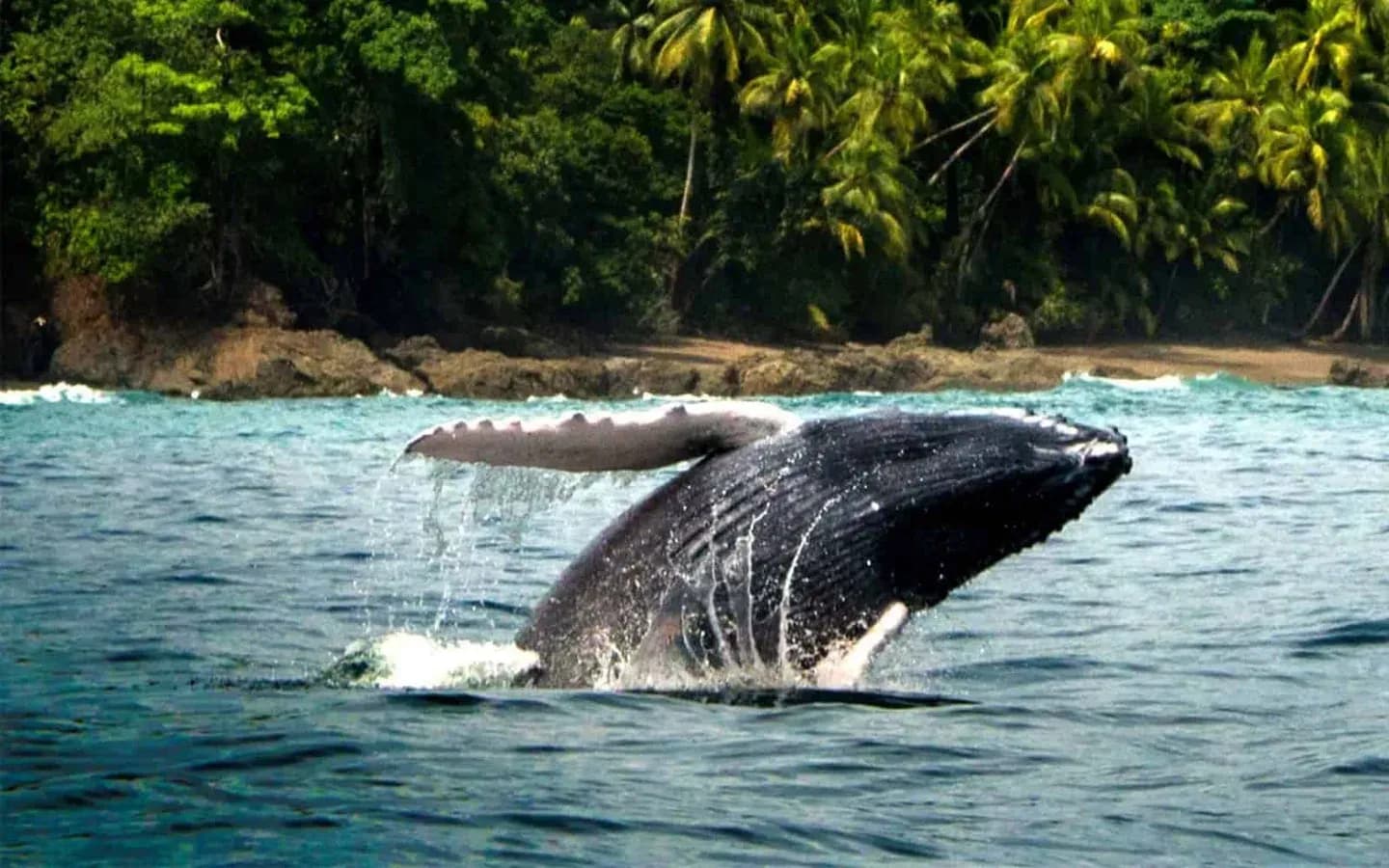
Humpback whales (Uvita / Marino Ballena, south Pacific): Costa Rica is the only place on Earth visited by humpbacks from both hemispheres. Southern-hemisphere whales come July to October (peak August–September); northern-hemisphere whales come December to April (peak January–February). Our Turtles, Whales & Dolphins itinerary is built around these windows.
Resplendent quetzals (highlands): You can see them year-round at San Gerardo de Dota, but the February–July breeding season (best April–May) is when these extraordinary birds are easiest to find.
Raptor migration (Caribbean slope): In September and October, millions of hawks, vultures and falcons funnel over the Caribbean lowlands near Kèköldi on their way south. It's one of the largest raptor migrations on the planet, and a big reason the wet months are quietly brilliant for birders.
Leatherbacks & bellbirds (spring): Leatherback turtles nest on the Caribbean at Gandoca-Manzanillo around April–May, the same window the three-wattled bellbird is calling in the Monteverde cloud forest.
Green-season abundance: May to November is when the rainforest is at its most alive: amphibians, insects and the birds that feed on them. If your trip is about nature rather than beach time, the wet months are the ones that pay off. That's the whole idea behind our Nature Lovers trip.
Best time by region
Costa Rica is small, but the weather is local. Roughly:
Guanacaste & North Pacific (beaches): December–April for dependable sun. The driest, sunniest part of the country.
Central & South Pacific (Manuel Antonio, Osa / Corcovado): December–April for easy access; green season for fewer people and lush forest, though October is genuinely wet here.
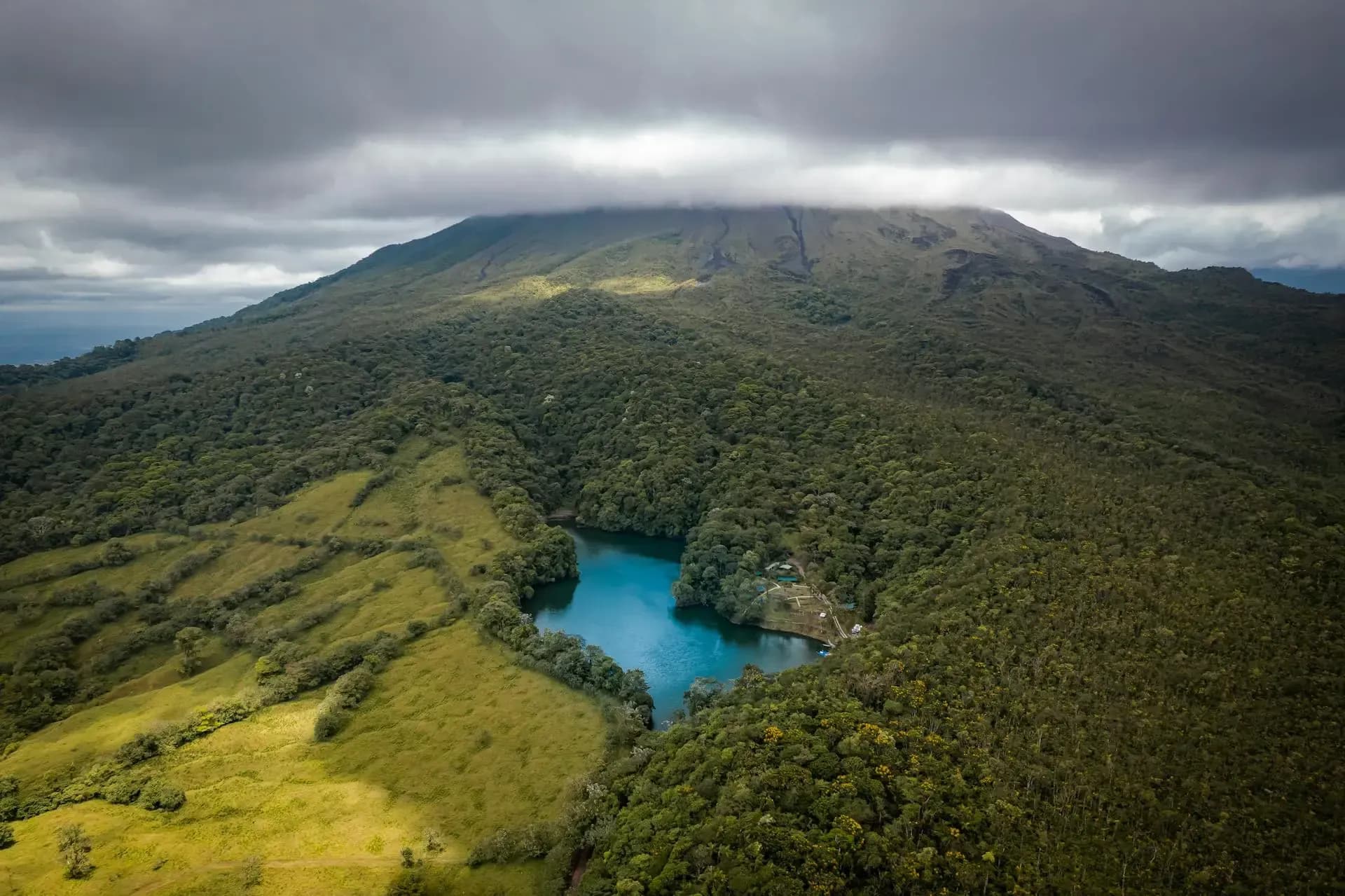
Arenal & the Northern Lowlands: Good year-round. Clearest volcano views in the dry season, but the green season is lush and quiet.
Monteverde cloud forest: Misty by nature in any month. Drier December–April; greener and quieter otherwise.
Caribbean (Tortuguero, Puerto Viejo): September–October and February–March are the sunny windows, the opposite of the Pacific.
For how these link into a route, our Costa Rica holidays pages map out the most popular combinations.
Best time for your kind of trip
Honeymoon: February to April gives you the most reliable beach-and-sunset weather for a Pacific finish, while the green season offers lush privacy and softer prices. Either way, this is a country built for two: wildlife by day, a quiet lodge by night. If a honeymoon's the plan, tell us and we'll pace it for romance rather than a checklist.
Families: July–August lines up with the school holidays and the turtle season, with the veranillo often giving you a drier spell.
Surfers: Pacific swells are biggest in the green season (May–November); the Caribbean's best surf is December–March.
Birders: The dry season for highland species and quetzals; the green season for sheer breeding-season volume, plus the September–October raptor migration on the Caribbean.
Budget travellers: September–October is the cheapest time to go, and if you weight your trip towards the Caribbean and wildlife, you lose very little to the rain.
Our verdict: the case for October
Ask around and you'll be told December or January. We'd send you somewhere less obvious: October. It goes against the standard advice, but line it up against the wildlife calendar and it's hard to argue with.
The reason is the wildlife. October sits in a sweet spot: the olive ridley arribadas at Ostional are peaking, green turtles are still nesting at Tortuguero, and the great raptor migration is pouring down the Caribbean slope, millions of hawks and vultures riding the thermals. The Caribbean coast, Tortuguero especially, is having its sunniest stretch of the year. And because most visitors have been told to stay away, you get the parks, the beaches and the lodges with a fraction of the crowds, at the lowest prices of the year.
The honest trade-off: October is the wettest month on the Pacific, so it's not the trip for guaranteed sun-lounger weather in Guanacaste. It's the trip for someone who came for the wildlife, the quiet and the value, and doesn't mind planning around an afternoon downpour. Put like that, October stops looking like a compromise and starts looking like a deliberate choice. If you can't picture which side of that line you're on, our Mexico or Costa Rica comparison is a useful gut-check on whether Costa Rica is your kind of trip.
Book earlier than you think
The one piece of advice every Costa Rica specialist agrees on: book well ahead. The country's best lodges are small and often family-run, whether that's the eco-lodges of the Osa Peninsula, the river cabins at Tortuguero, or the cloud-forest retreats around Monteverde. They sell out months in advance. For peak season (December–April) and the green-season wildlife windows, six to twelve months ahead is normal, not cautious.
Still planning? Read whether Costa Rica is safe, browse the best places to visit in Costa Rica, and see how it compares in Costa Rica vs Cuba.
It's also why a tailor-made approach pays off here. Getting the timing, the regions and the lodges to line up around what you actually want to see takes local knowledge and early booking, and that's the part we handle. When you're ready, tell us your dates and what's on your list and we'll take it from there.
Flights are part of that planning too, see our guide to flights to Costa Rica from the UK for routes, the San José vs Liberia airport choice, and the cheapest months to fly.
For official, up-to-date guidance on parks and seasons, the Costa Rica Tourism Board is a reliable reference alongside this guide.
Frequently Asked Questions
December to April is the safest choice for reliable sunshine, with February often singled out as the ideal dry-season month. But for wildlife, value and fewer crowds, October is our pick: peak turtle arribadas, the raptor migration, the Caribbean's sunniest weather, and the lowest prices of the year, with the trade-off of a wetter Pacific.
Plan Your Costa Rica Trip
Tell us what you want to see and roughly when, and our specialists will shape a tailor-made itinerary around the wildlife calendar. ATOL protected.
MORE FROM TRAVELFAB
Holidays you might like
DESTINATIONS