
DESTINATION GUIDES
Top Things to Do in Havana: A Local's Guide to Cuba's Capital
Havana in two days or a week: Old Havana's plazas, the Malecon at sunset, live music, the classic cars, and which of it is actually worth your time.

Havana is a city that stops you in your tracks. Crumbling colonial palaces sit next to vibrant street art. Classic American cars cruise past horse-drawn carts. Live music spills from every bar, and the Malecón waterfront is the world's greatest free show every sunset.
Whether you have two days or a full week, this guide covers the best things to do in Havana, from the must-see landmarks to the hidden gems that most tourists miss.
Old Havana (Habana Vieja)
The UNESCO World Heritage heart of the city. Allow at least a full day here, you could easily spend three.
Plaza de la Catedral
The most elegant square in Havana, dominated by the baroque Catedral de San Cristóbal (built 1748). The surrounding colonial buildings house art galleries, restaurants, and the Museo de Arte Colonial. Come in the morning before the tour groups arrive.
Plaza Vieja
A beautifully restored square with colourful buildings from four centuries of architecture. Highlights:
Cámara Oscura, a rooftop camera obscura offering 360-degree live views of the city
Factoría Plaza Vieja, Cuba's first microbrewery, good for a cold beer in the heat
Fototeca de Cuba, free photography exhibitions in a colonial building
Plaza de Armas
Havana's oldest square, surrounded by museums and the second-hand book market (daily). The Museo de la Ciudad in the former Palace of the Captains General is one of Cuba's best museums.
Calle Obispo
The main pedestrian street connecting Old Havana's plazas. Lined with shops, bars, galleries, and street musicians. Stop at El Floridita (Hemingway's favourite daiquiri bar) at the western end and Hotel Ambos Mundos (where Hemingway wrote For Whom the Bell Tolls) halfway along.
El Capitolio
Cuba's Capitol building, modelled on Washington DC's but taller. Recently restored to its original 1929 grandeur. You can visit the interior with a guided tour, the main hall with its 17-metre statue of the Republic is spectacular.
The Malecón
Havana's 8-kilometre seafront promenade is the social heart of the city. Every evening, thousands of Habaneros gather on the seawall to socialise, play music, fish, and watch the sunset.
The best stretch for walking is from the Hotel Nacional to Old Havana, about 4 kilometres. Go at sunset for the best atmosphere and light. On weekends, the Malecón comes alive with impromptu parties and music.
Vedado
Havana's mid-20th century neighbourhood, with tree-lined avenues, art deco buildings, and a more residential feel than the tourist centre.
Hotel Nacional de Cuba
Even if you are not staying here, visit for a cocktail in the garden bar overlooking the Malecón. The hotel has hosted everyone from Churchill to Nat King Cole. The underground tunnels from the 1962 Missile Crisis can be visited with a guide.
Necrópolis Cristóbal Colón
One of the most important cemeteries in the Americas. Over 500 major mausoleums and monuments across 56 hectares. The marble sculptures and ornate tombs are extraordinary, it is an open-air art gallery. Entry costs about £3.
Fábrica de Arte Cubano (FAC)
Havana's most exciting cultural venue, a converted cooking oil factory that hosts art exhibitions, live music, films, theatre and dance performances. Opens Thursday to Sunday from 8pm. Entry is about £2. This is where Havana's creative scene comes alive. Do not miss it.
Plaza de la Revolución
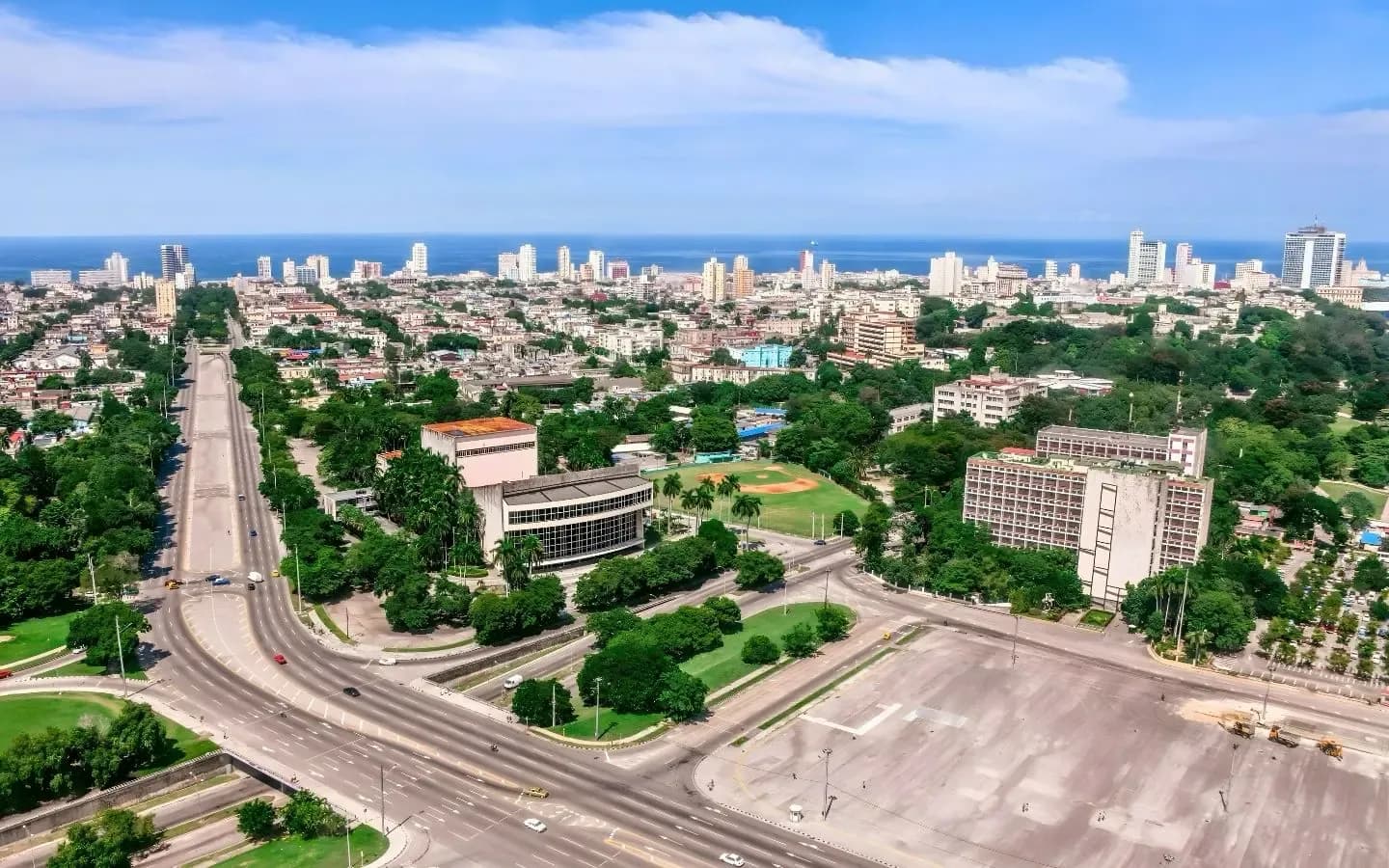
The vast square where Fidel Castro addressed millions. The iconic Che Guevara mural on the Ministry of the Interior building is unmistakable. Best visited early morning for photos without crowds. The José Martí Memorial tower offers the best panoramic view of Havana.
Centro Habana
Callejón de Hamel
A narrow alley transformed into an Afro-Cuban art installation, murals, sculptures, and shrines dedicated to Santería orishas. On Sundays at noon, there is a live rumba performance that is one of the most authentic musical experiences in Havana. Free entry.
Chinatown (Barrio Chino)
Cuba's small Chinatown is more atmospheric than culinary these days, but the ornate gate on Calle Dragones is worth a photo, and a few decent Chinese-Cuban fusion restaurants remain.
Fusterlandia
José Fuster's extraordinary mosaic art neighbourhood in the Jaimanitas suburb, about 20 minutes west of central Havana. Fuster, often called the Gaudí of Cuba, has covered his house, his neighbours' houses, bus stops, benches and walls with colourful tile mosaics.
The studio is free to visit. Artworks are available to buy. Take a taxi or include it on a vintage car tour.
Experiences Not to Miss
Classic Car Tour
Hire a 1950s American convertible for a 2-hour tour of the city. Most tours cover the Malecón, Vedado, Plaza de la Revolución, Fusterlandia, and the Morro fortress. Negotiate the price before departure, expect £50–£80 for the whole car (up to 4 passengers).
Salsa Dancing
Take a salsa or son lesson in Havana. Options range from private sessions in a dance studio (£15–£25pp) to informal classes in a casa particular courtyard. Many hotels arrange evening classes for guests.
Cuban Cooking Class
Learn to make ropa vieja, moros y cristianos, and mojitos in a hands-on class. Several paladares offer morning cooking sessions that include a market visit, cooking lesson, and lunch with the dishes you prepare. From £30pp.
Rum Tasting
Visit the Museo del Ron Havana Club on the harbour for a guided tour of the rum-making process followed by a tasting session. Entry is about £7 including a rum cocktail. For a deeper experience, book a private rum tasting at the museum or at a specialist bar.
Live Music
Music is everywhere in Havana, but the best dedicated venues are:
La Bodeguita del Medio, traditional son and trova, tourist-heavy but atmospheric
Café Taberna, excellent live bands on Plaza Vieja
Jazz Café, the best jazz venue in Cuba, in Vedado above the Hotel Cohiba (formerly Meliá Cohiba)
La Zorra y el Cuervo, intimate underground jazz club on La Rampa
Day Trips from Havana
Viñales Valley (2.5 hours)
UNESCO-listed tobacco-growing valley with dramatic mogote limestone hills. Visit a tobacco farm, go horseback riding, or explore the Cueva del Indio by boat. Can be done as a long day trip but is better as an overnight stay.
Las Terrazas (1.5 hours)
An eco-community in the Sierra del Rosario biosphere reserve. Zip-lining, hiking, birdwatching, and the historic coffee plantation ruins at Cafetal Buenavista. A peaceful contrast to Havana.
Playas del Este (30 minutes)
Havana's local beaches, Santa María del Mar is the best, with fine white sand and warm shallow water. Popular with Habaneros at weekends. Much quieter than Varadero and easy to reach by taxi.
Practical Tips
Getting around: Havana is very walkable, Old Havana and Centro are best explored on foot. For longer distances, use yellow coco-taxis (£2–£5) or classic car taxis (negotiate first)
Safety: Havana is one of the safest capital cities in the Caribbean. Standard precautions apply, avoid poorly lit streets late at night and do not flash expensive electronics
Money: Bring cash (Euros or GBP). ATMs exist but are unreliable. Budget £30–£60 per day for food, drinks and activities
Internet: Available via ETECSA Wi-Fi cards (£1 per hour) in parks and hotel lobbies. 4G mobile data is expanding but still patchy
Best time to visit: November to April for the best weather. Havana is good year-round but July–August is very hot and humid
Why Visit Havana with Travelfab?
We have been arranging Havana city breaks and Cuba holidays for over 18 years. Our team knows the best casas, restaurants, guides and experiences, and every trip is ATOL protected (licence 10898).
Whether you want a long weekend city break or Havana as part of a wider Cuba itinerary, we will build it around your interests.
FAQ
How many days do I need in Havana?
Three to four days is ideal for seeing the highlights. Two days covers the essentials but feels rushed. A week allows you to explore deeper and take day trips.
Is Havana safe for tourists?
Yes, Havana is one of the safest capitals in the Caribbean. Petty crime (bag snatching, scams) exists but violent crime against tourists is very rare. See our Cuba safety guide for details.
What is the best area to stay in Havana?
Old Havana (Habana Vieja) is the best base for first-time visitors, central, atmospheric, and walking distance to most attractions. Vedado is quieter with more local flavour.
Can I walk around Havana?
Absolutely. Old Havana and Centro are compact and walkable. The Malecón walk from Vedado to Old Havana is about 4km and one of the city's great experiences. Comfortable shoes are essential, pavements are uneven.
When is the best time to visit Havana?
November to April for the best weather. January features the Havana Jazz Festival. February has the Cigar Festival. March and April offer excellent weather with slightly lower prices.
Frequently Asked Questions
We recommend a minimum of two full days to cover the highlights of Old Havana, the Malecon and Vedado. Three days allows a more relaxed pace with time for day trips and deeper exploration.
Explore Havana Your Way
Want to explore Havana with a specialist? Let us plan your perfect Cuba holiday with private guides, classic car tours and the best local experiences.
DESTINATIONS
Explore these places
KEEP READING
More stories

Cuba Travel Guide 2026: Everything You Need to Know
Plan your Cuba holiday with our 2026 guide covering flights, visas, best time to visit, top destinations, and tailor-made packages.

Day Trips from Varadero: 8 Excursions Beyond the Beach
The best day trips from Varadero, Cuba. Visit Havana, Matanzas, the Bay of Pigs, caves and more. Expert picks from Travelfab, ATOL-protected holidays.