
DESTINATION GUIDES
World Cup 2026 Mexico: The UK Traveller's Guide to Football and Beyond

The 2026 FIFA World Cup kicks off on 11 June in Mexico City, and for the first time since 1986, the Estadio Azteca will host World Cup football. With 13 matches across three Mexican cities, Mexico City, Guadalajara and Monterrey, and England playing their group games just a short flight away in the USA, there has never been a better reason to combine a football tournament with a proper Latin American holiday.
Travel searches for Mexico from the UK have surged by 125% since the draw, and England fan interest is up over 200%. The tournament runs until 19 July, giving you more than five weeks to plan the perfect trip: catch the opening match at the Azteca, explore ancient ruins and colonial cities, and finish with a few days on the Caribbean coast. Here is everything you need to know.
Mexico's Three Host Cities
Mexico is hosting matches across three very different cities, each with its own character. Unlike England's group games (which are all in the USA), the Mexican venues feature some of the tournament's most exciting fixtures, including the opening match and a blockbuster Spain vs Uruguay clash.
Mexico City, Estadio Azteca (Capacity: 87,523)
The Azteca is the only stadium in the world to have hosted three FIFA World Cups (1970, 1986, and now 2026). It hosted Maradona's "Hand of God" and "Goal of the Century" against England in 1986, a pilgrimage for any football fan.
Mexico City matches:
- 11 June, Mexico vs South Africa (opening match)
- 17 June, Uzbekistan vs Colombia
- 24 June, Mexico vs UEFA Playoff D winner
- 30 June, Round of 32
- 5 July, Round of 16
Guadalajara, Estadio Akron (Capacity: ~48,000)
Home to Club Deportivo Guadalajara (Chivas), the Estadio Akron sits in the suburb of Zapopan. Four group stage matches run from 11 to 26 June, including:
- 11 June, South Korea vs UEFA Playoff D winner
- 18 June, Mexico vs South Korea
- 23 June, Colombia vs FIFA Playoff 1 winner
- 26 June, Uruguay vs Spain
Monterrey, Estadio BBVA (Capacity: 50,113)
A modern, striking venue in the Guadalupe district. Four matches from 14 to 29 June, including a Round of 32 knockout game on 29 June.
For England fans: The Three Lions are in Group L alongside Croatia, Ghana and Panama, with matches in Dallas (17 June), Boston (23 June) and New Jersey (27 June). A two-hour flight from Dallas to Mexico City makes it perfectly realistic to combine England's group games with a Mexico leg of your trip.
What to Do in Mexico City
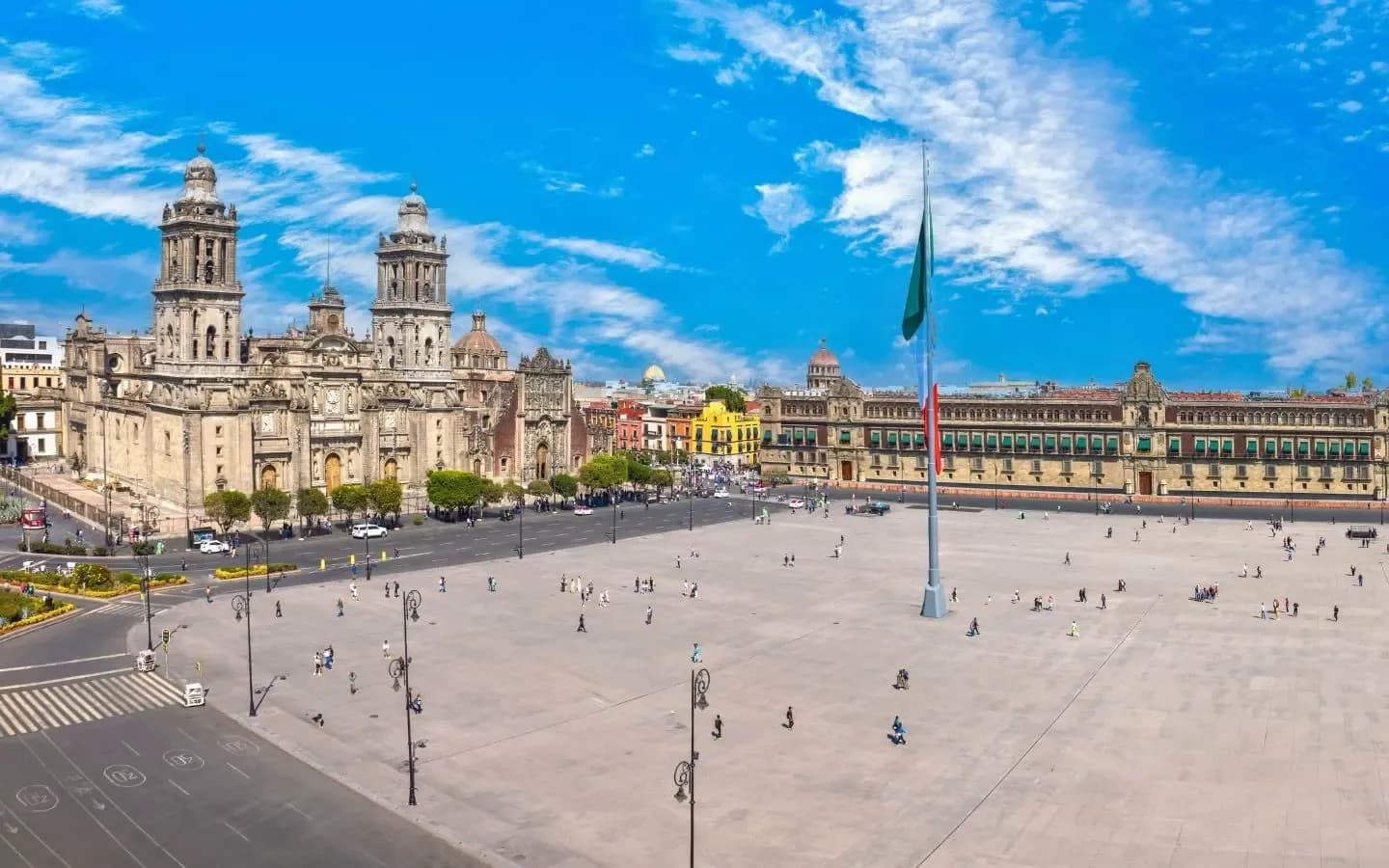
Mexico City is one of the world's great capitals, and even if football were not on the agenda, it would deserve at least four or five days. With 300+ museums, a food scene that rivals any European city, and pre-Columbian ruins within easy reach, there is plenty to fill the days between matches.
Must-see highlights:
- Palacio de Bellas Artes, The art nouveau masterpiece with its iconic golden dome. Diego Rivera's murals inside are worth the queue alone.
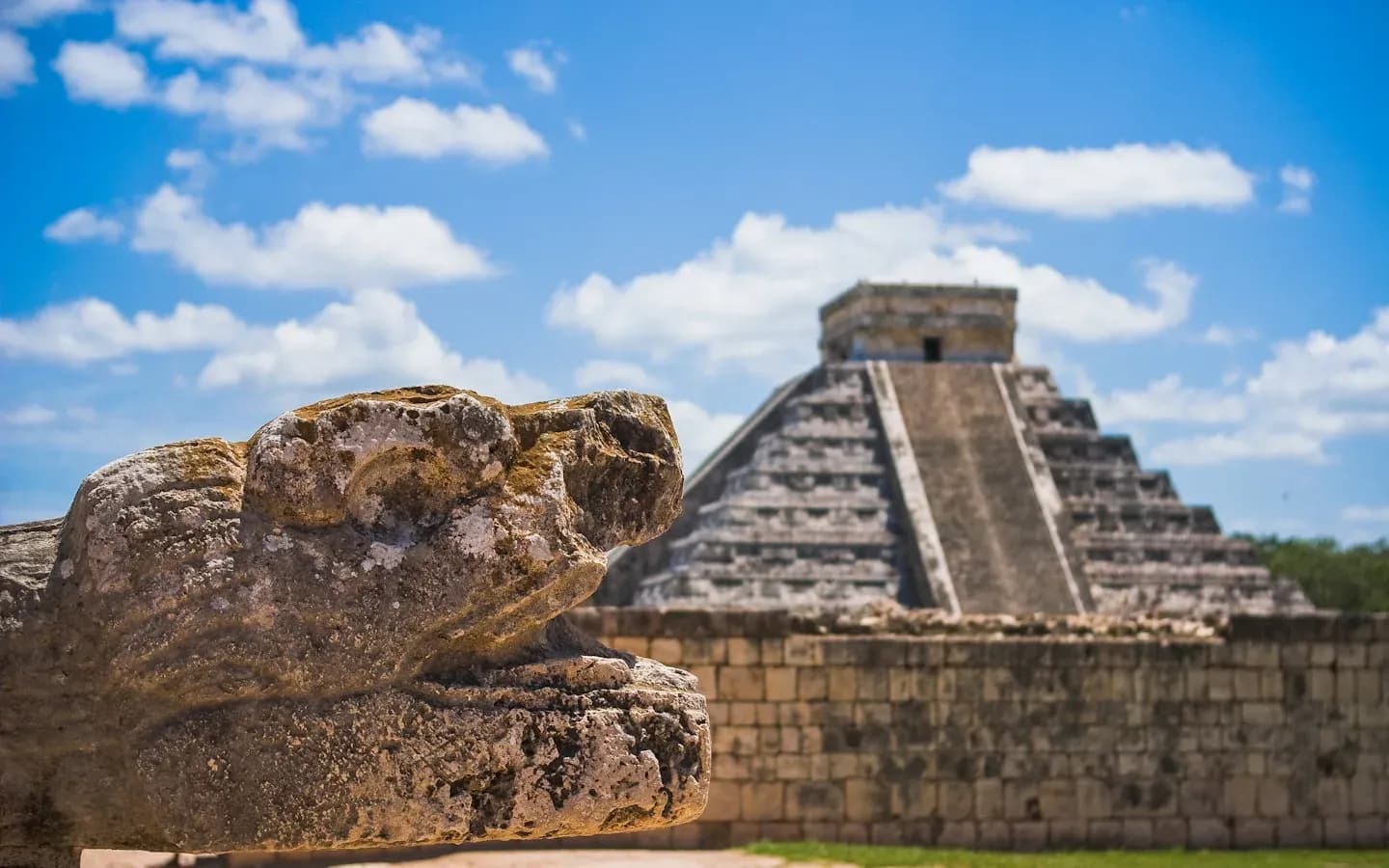
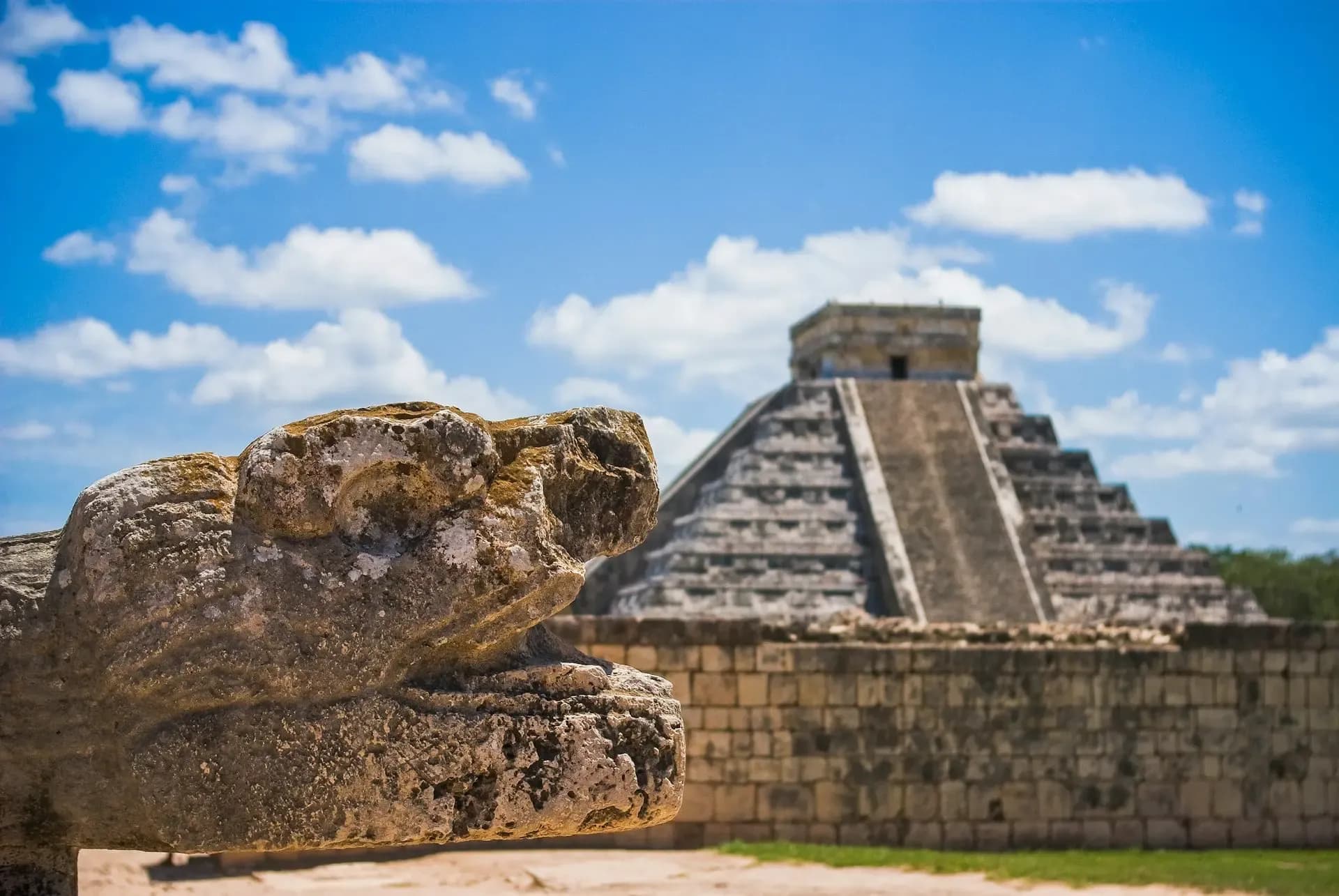
- Teotihuacan, The ancient city of pyramids is just an hour's drive from the centre. Climb the Pyramid of the Sun for sweeping views across the Valley of Mexico.
- Chapultepec Castle, The only royal castle in the Americas, perched atop a hill in the vast Chapultepec Park. The views over Paseo de la Reforma are superb.
- Coyoacan, The bohemian neighbourhood is home to the Frida Kahlo Museum (Casa Azul). Book ahead, tickets sell out weeks in advance.
- Street food, Tacos al pastor in the Roma Norte neighbourhood, churros from El Moro, and tlacoyos at the Mercado de la Merced. Budget around £5–10 per meal from street stalls.
For a guided experience that includes many of these highlights, our Great Mexico itinerary covers Mexico City alongside the Yucatan and Pacific coast.
What to Do in Guadalajara
Guadalajara is Mexico's second-largest city and the cultural heart of Jalisco, the birthplace of tequila, mariachi music, and the charreada (Mexican rodeo). It is more relaxed than the capital but just as rewarding.
Highlights beyond the stadium:
- Tequila town, An hour west of the city, the town of Tequila sits among fields of blue agave. Visit a distillery, learn the production process, and sample the real thing straight from the barrel. Our Colonial Treasures & Tequila holiday includes this as a centrepiece.
- Tlaquepaque, A charming artisan village (now absorbed into the Guadalajara metro) with cobblestone streets, blown-glass workshops, and colourful galleries.
- Lake Chapala, Mexico's largest freshwater lake, about 45 minutes south. The town of Ajijic on its shore has a large expat community and excellent waterfront dining.
- Historic centre, The Hospicio Cabanas, a UNESCO World Heritage Site, houses Jose Clemente Orozco's extraordinary ceiling murals. The twin-spired Cathedral of Guadalajara anchors the city's central plazas.
Extend Your Trip: Beaches After the Beautiful Game
One of the best things about watching football in Mexico is what comes next. Once the final whistle blows, you can swap the stadium for a sun lounger with a surprisingly short domestic flight.
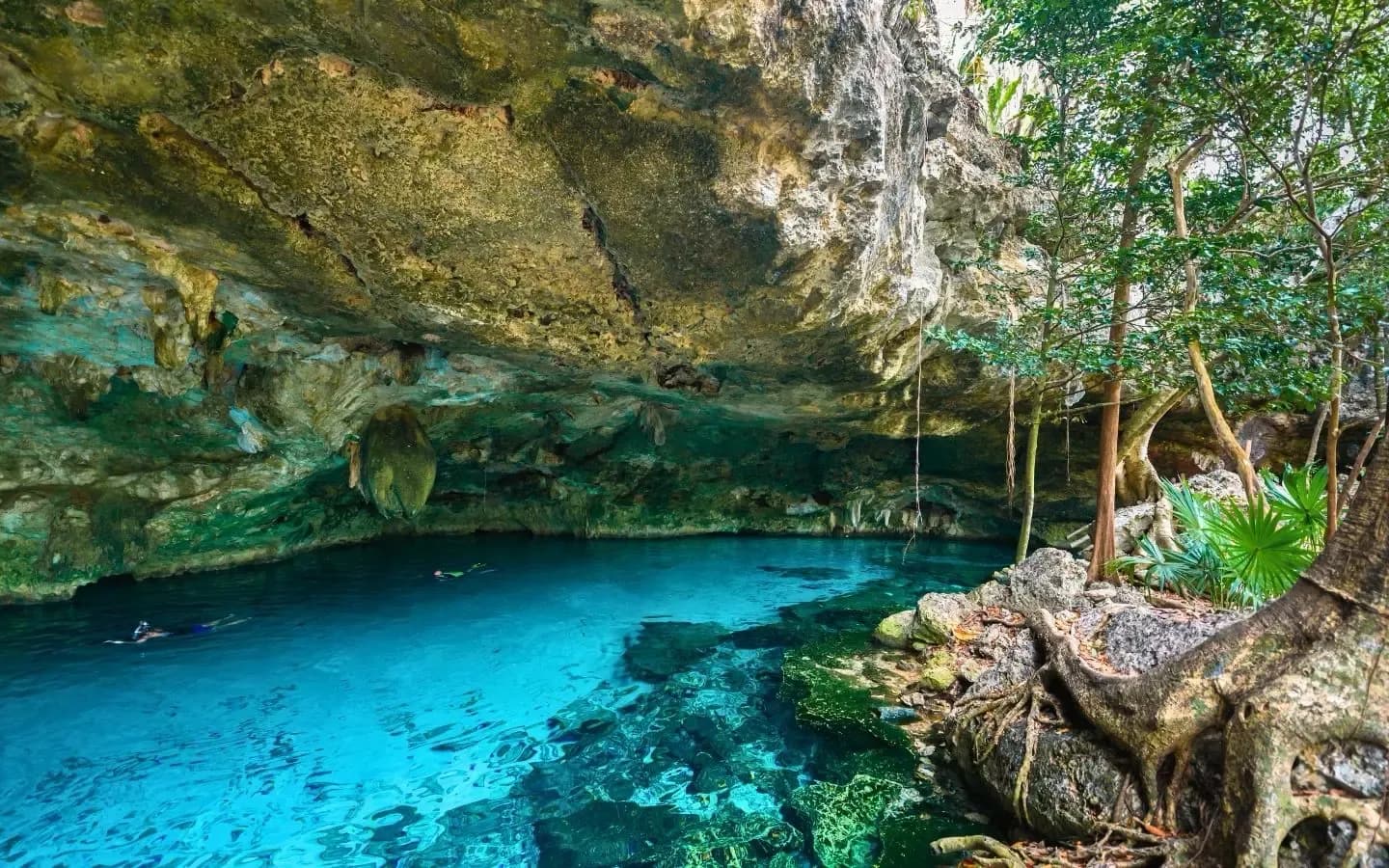
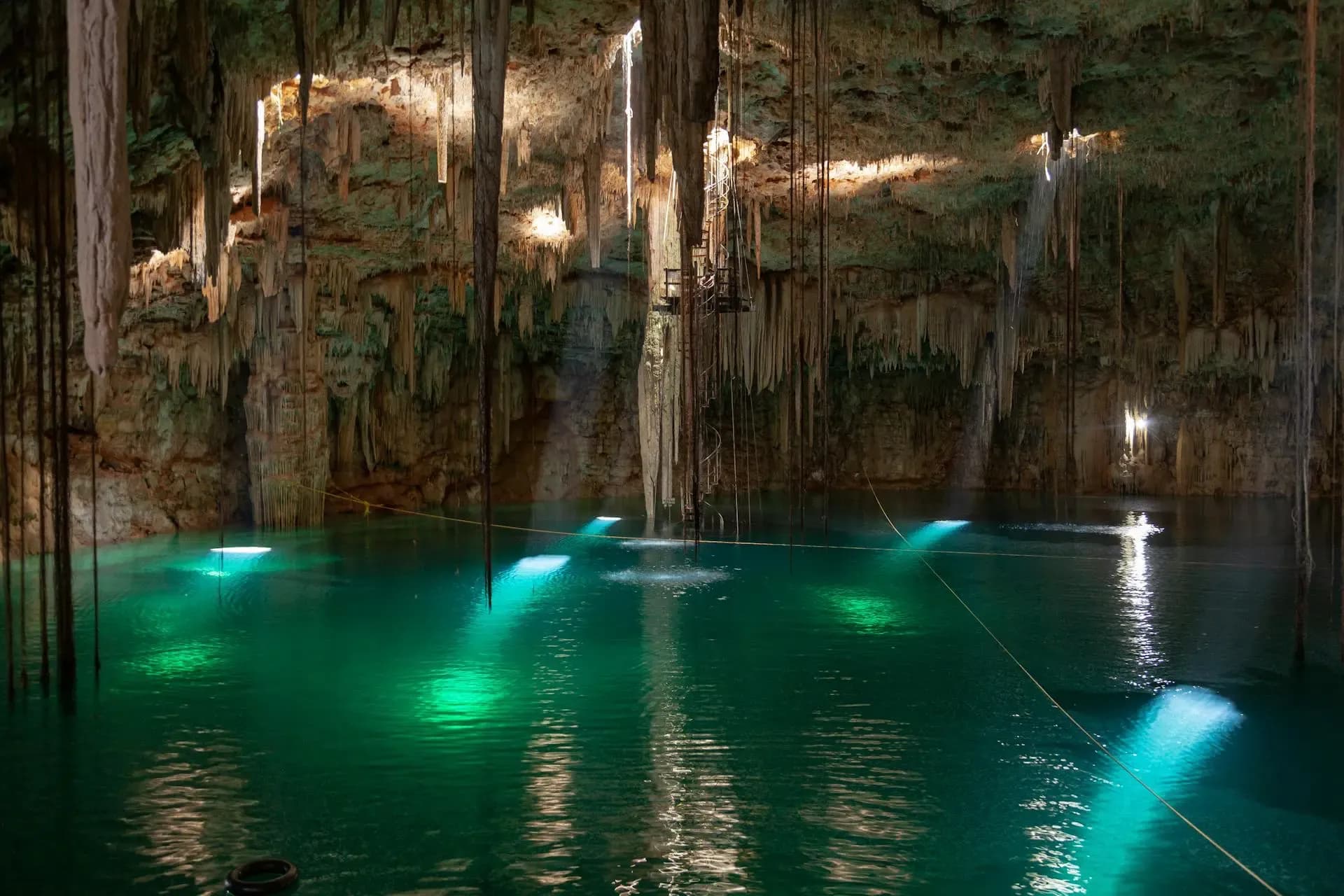
Cancun and the Riviera Maya, A two-hour flight from Mexico City or Guadalajara lands you on the Caribbean coast. White-sand beaches, the turquoise waters of the Yucatan, and the chance to swim in cenotes (natural limestone sinkholes) make this the ideal wind-down after the intensity of tournament football. Our Mayan Ruins & Cenotes itinerary is built around exactly this combination.
Pacific coast, Puerto Vallarta (a 45-minute flight from Guadalajara) offers a more relaxed, less touristy alternative. Whale watching season is over by June, but the sunsets, seafood, and surf are year-round.
Oaxaca, For something more cultural than coastal, fly south to Oaxaca (1.5 hours from Mexico City). This is Mexico's food capital, home to mole negro, mezcal, and the ancient Zapotec ruins of Monte Alban.
A well-planned itinerary might look something like this: fly into Mexico City for the opening match (11 June), catch another game or two, then head to the Riviera Maya for five days before flying home. Our Mini Tour: Classic Mexico covers many of these highlights in a compact format. For more on the country as a whole, see our Mexico Travel Guide.
Practical Information for UK Travellers
Flights
British Airways operates direct flights from London Heathrow to Mexico City (approximately 12 hours). Aeromexico also runs a direct Heathrow-to-Mexico City service. Expect to pay £600–900 return in economy during the tournament period, though prices will rise as June approaches, booking early is essential.
For Guadalajara and Monterrey, you will need a connection, either through Mexico City or via a US hub such as Dallas, Houston or Miami.
Visa
British passport holders do not need a visa for Mexico. You can stay for up to 180 days as a tourist. You will receive an FMM (tourist card) on arrival, the fee is included in your air ticket. Fill in the online form before you fly to speed things up at immigration.
If you are combining Mexico with England's group games in the USA, you will need an ESTA (Electronic System for Travel Authorisation), which costs $40 and is valid for two years.
Budget
Mexico is significantly cheaper than the USA or Canada for day-to-day expenses. As a rough guide:
- Mid-range hotel: £60–120 per night
- Street food meal: £3–8
- Restaurant dinner: £15–30
- Uber across Mexico City: £3–6
- Domestic flight (Mexico City to Cancun): £50–120 one way
- Match tickets: from approximately £45 (Category 4 group stage) to £550+ (Category 1 knockout round)
Safety
Mexico City and Guadalajara are generally safe for tourists who take sensible precautions, the same ones you would follow in any large city. Stick to well-known neighbourhoods (Roma, Condesa, Polanco, Centro Historico in CDMX; Providencia and Chapultepec in Guadalajara), use registered taxis or ride-hailing apps, and keep valuables out of sight.
The UK Foreign, Commonwealth and Development Office (FCDO) has published a dedicated World Cup 2026 travel advice page for Mexico. Check it before you travel for the latest guidance.
Weather
June and July fall within Mexico's rainy season, but the pattern is predictable: warm, sunny mornings followed by short, heavy downpours in the late afternoon or evening. Temperatures in Mexico City average 22–25°C (the city sits at 2,240m altitude, so it is cooler than you might expect). Guadalajara is warmer at 26–30°C, and the Riviera Maya will be 28–33°C with high humidity.
Pack a light rain jacket and plenty of sun cream. Evening matches will be comfortable in a t-shirt.
Frequently Asked Questions
No. British passport holders can enter Mexico visa-free for up to 180 days. You will need to complete an FMM (Forma Migratoria Multiple) tourist card, the fee is included in your air ticket, and you can fill in the form online before departure. If you plan to cross into the USA to watch England's group games, you will also need a valid ESTA ($40, valid for two years).
Turn the World Cup Into a Mexico Holiday
Our Latin America specialists will build a tailor-made itinerary around the tournament dates, flights, hotels, and experiences, all ATOL protected.
MORE FROM TRAVELFAB
Holidays you might like

DESTINATIONS