
DESTINATION GUIDES
Cartagena City Guide 2026: What to See, Do & Eat
Cartagena's walled Old Town, UNESCO listed since 1984: what to see, where to eat, when to go, and which of the nearby islands are worth the boat.
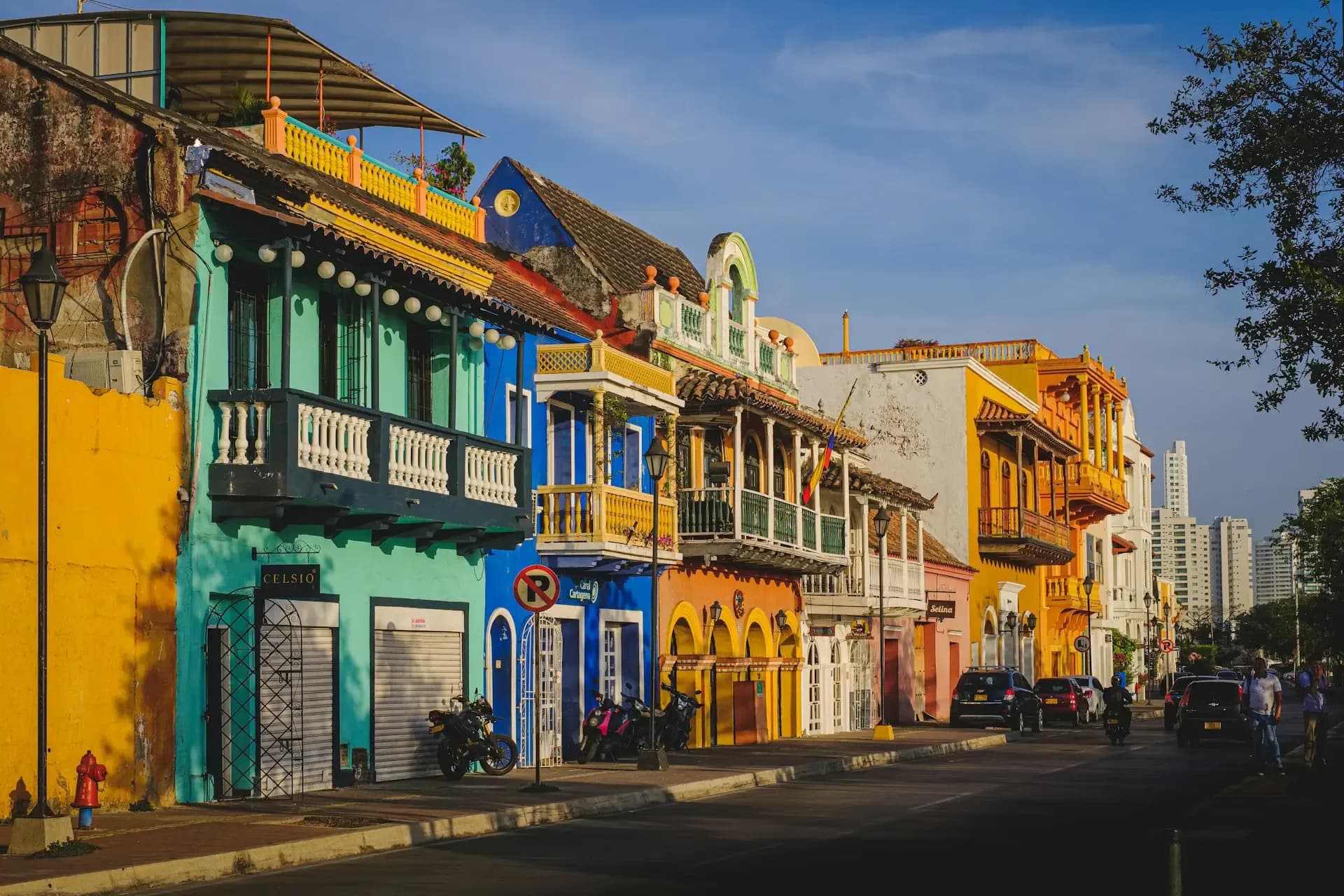
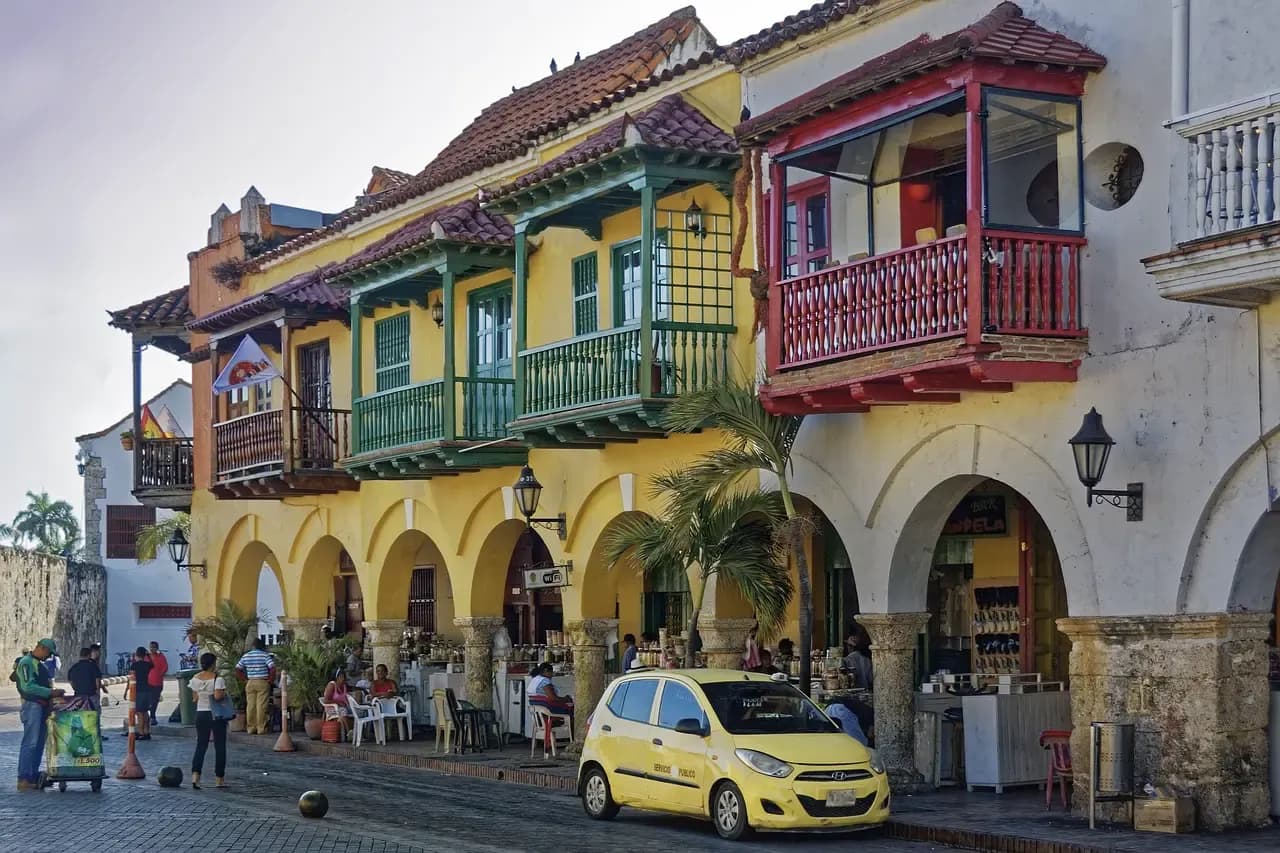
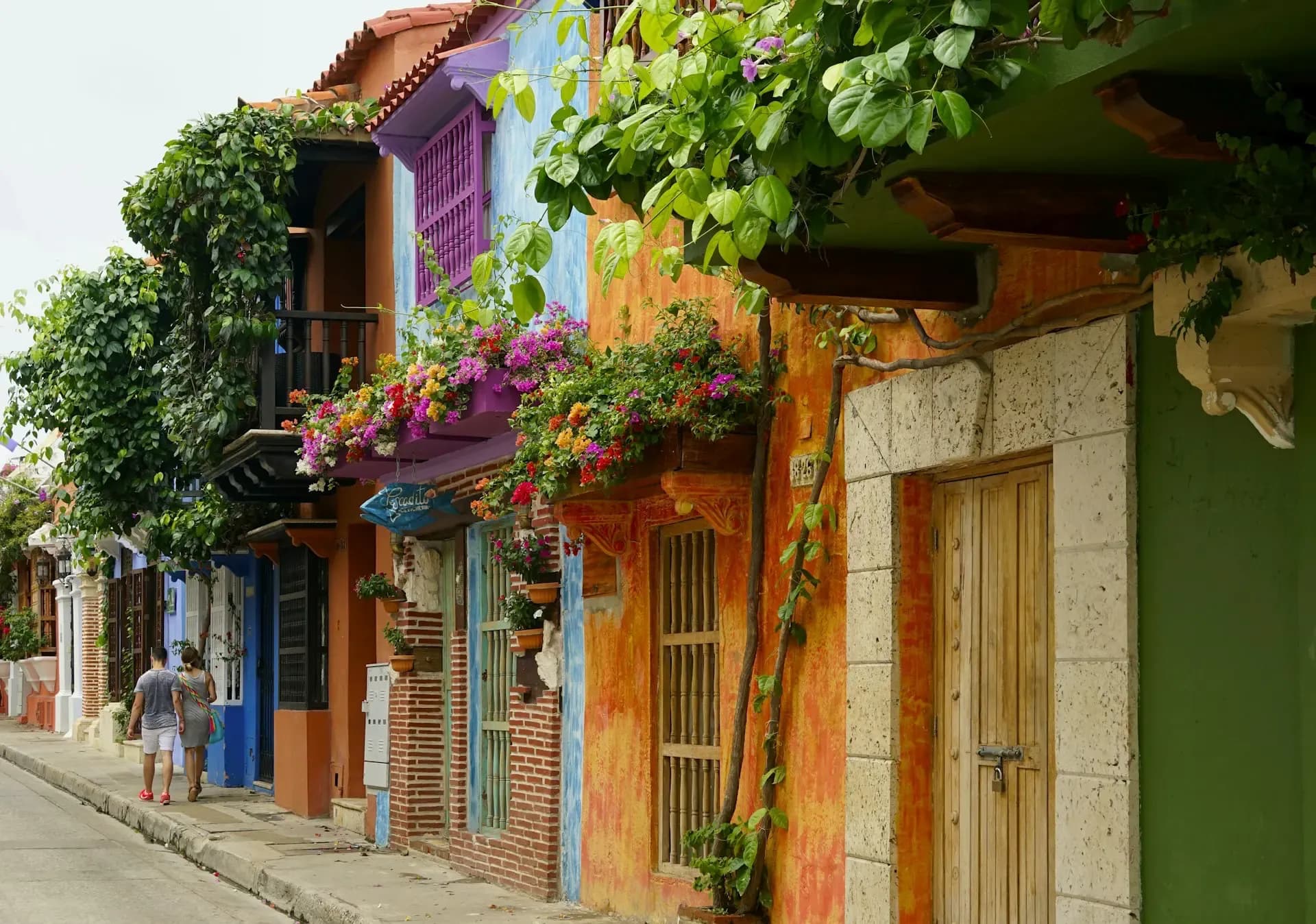
Cartagena de Indias is one of those rare places that actually exceeds the photographs. The walled Old Town, a UNESCO World Heritage Site since 1984, is a masterwork of colonial architecture, where pastel-painted mansions with bougainvillaea-draped balconies line cobblestone streets that open onto grand plazas with centuries-old churches. It is the jewel of Colombia's Caribbean coast and, for many UK travellers, the highlight of their entire South American trip.
But Cartagena is more than its looks. Beyond the walls, explore Getsemani's creative vibe, Bocagrande’s beachfront, and the Rosario Islands’ turquoise waters. The food scene mixes Caribbean and Colombian influences. Nightlife ranges from salsa clubs to cocktail bars. Locals' warmth makes it welcoming, not just scenic.
With its rich layers, Cartagena offers more than first impressions, so this guide connects the highlights with deeper experiences, seamlessly guiding you from historic sites through lively neighbourhoods and unforgettable cuisine.
The Old Town (Ciudad Amurallada)
Cartagena's walled city is the reason most people come, and it does not disappoint. Built by the Spanish from the 16th century onwards to protect their Caribbean trade route, the walls stretch for 11 kilometres around a perfectly preserved colonial centre that has been continuously inhabited for nearly 500 years.
The Walls and Fortifications
Begin at the city walls. Walking the ramparts at sunset is a top free experience, stone bastions overlook the Caribbean Sea and the Old Town. The best stretch runs from Baluarte de Santo Domingo past Cafe del Mar, a sunset cocktail spot, toward the Clock Tower, the main city gateway.
The Castillo de San Felipe de Barajas, sitting on a hill above the city, is the largest Spanish fortress ever built in the Americas. Construction began in 1536 and continued for over two centuries. Walk the network of underground tunnels, designed so that a whisper at one end could be heard at the other, allowing defenders to detect approaching enemies. The views from the top are panoramic.
Plazas and Landmarks
The Old Town is organised around a series of plazas, each with its own character:
Plaza Santo Domingo, The liveliest square in the city. Surrounded by restaurants with outdoor seating, anchored by Botero's famous reclining sculpture "La Gorda Gertrudis." Live music fills the square most evenings.
Plaza de Bolívar, The formal heart of the city, with the Cathedral, the Palace of the Inquisition and a statue of Simón Bolívar surrounded by mature trees. Quieter and more stately than Santo Domingo.
Plaza San Pedro Claver, Named after the 17th-century Jesuit priest who dedicated his life to enslaved Africans arriving at Cartagena's port. The adjacent Iglesia y Convento de San Pedro Claver houses a museum and a courtyard with Claver's remains.
Churches and Architecture
Cartagena's churches are worth visiting even if you are not particularly interested in religious architecture:
Cathedral of Cartagena, A beautiful 16th-century cathedral on Plaza de Bolívar, with a distinctive stone facade and a serene interior.
Iglesia de Santo Domingo, Cartagena's oldest church, dating from 1539. According to legend, the slightly crooked tower was built that way by the devil to annoy the construction workers.
Convento de la Popa, An Augustinian monastery perched on the highest point in Cartagena (150 metres). The views from here encompass the entire city, the port and the Caribbean coastline.
Las Bóvedas
At the northern end of the walls, Las Bovedas are a series of 23 vaulted chambers built into the fortifications. Originally used as military storage rooms and later as prison cells, they now house artisan shops selling Colombian crafts, hammocks, jewellery, handmade sandals, woven baskets and emerald jewellery. The quality is mixed, but it is a pleasant place to browse, and the architecture is impressive.
Getsemani: The Creative Heart
Just outside the city walls, Getsemani is Cartagena's most exciting neighbourhood and best represents the city's modern identity. Once a working-class barrio considered rough around the edges, it has transformed over the past decade into a vibrant hub of street art, independent restaurants, boutique hostels and rooftop bars.
What Makes Getsemani Special
Street art dominates Getsemani. Nearly every wall is painted, some political, some playful, all colourful. Unlike the Old Town, Getsemani feels authentic and energetic. Local artists, musicians, and chefs flourish here; the area invites aimless exploration.
Plaza de la Trinidad is the social centre, a tree-shaded square where locals gather in the evenings to socialise, play football and listen to music. The surrounding streets are lined with restaurants and bars, from budget street food to creative cocktail lounges.
Where to Eat in Getsemani
La Cocina de Pepina, Traditional Cartagena home cooking in a simple, colourful setting. The fried fish with coconut rice and patacones (fried plantain) is outstanding.
Demente, A taco bar and rooftop cocktail spot with excellent mezcal cocktails and views over the neighbourhood.
Cafe Havana, An institution. This Cuban-inspired salsa bar with live bands is one of the best nights out in Cartagena. Arrive before 10pm to get a table.
Bocagrande: The Modern Beachfront
South of the Old Town, Bocagrande is Cartagena’s modern district, a peninsula with high-rise hotels, shopping centres, and a public beach. It lacks Old Town’s atmosphere but offers a different side of the city.
The beach is busy and popular with locals. Vendors sell fresh fruit, ceviche and cold beer. The water is warm year-round. For a quieter beach, head to Castillogrande at the tip of the peninsula or take a boat to the Rosario Islands. The dining scene is increasingly impressive. Several excellent seafood restaurants line the waterfront, and the area has Cartagena's best sushi, Italian and international options.
Rosario Islands Day Trip
The Islas del Rosario are a 45-minute speedboat ride from Cartagena and offer the Caribbean postcard experience: crystal-clear turquoise water, white sand, coral reefs and tiny islands with beach clubs and hammocks strung between palms. Key takeaway: A trip to the Rosario Islands is ideal for idyllic beach and water experiences.
What to Expect
The archipelago comprises 27 small islands, plus a surrounding marine park. Most day trips include:
Boat transfer from Cartagena's marina (departures typically 8-9am)
Snorkelling over coral reefs with colourful tropical fish
Beach time on a private island with sunloungers, lunch and drinks included
Optional activities: kayaking, paddleboarding, diving (PADI certified operators available)
Return to Cartagena by 3-4pm
The water visibility is excellent from December to April (the dry season). The islands are also accessible as an overnight stay, several have small eco-lodges for those who want to wake up surrounded by Caribbean water.
For a slightly different experience, Playa Blanca on the Baru peninsula is reachable by boat or road and offers a stunning white-sand beach with a more local atmosphere than the Rosario Islands.
The Street Food Guide
Cartagena's street food is some of the best in South America, cheap, fresh and everywhere. The Caribbean influence brings coconut, seafood, and tropical fruit into dishes that differ from those in Bogotá or Medellín.
Must-Try Street Foods
Arepas de huevo, Fried corn cakes filled with egg. The ones from street vendors in Getsemani are legendary. Best eaten hot, with a squeeze of lime and a dash of suero (a tangy cream sauce).
Ceviche de camaron, Fresh prawn ceviche served in small cups by vendors who walk the streets with cooler boxes. Lime, tomato, onion and aji pepper. Intensely fresh.
Empanadas, Crispy corn parcels filled with seasoned beef, chicken or cheese. Found on virtually every corner.
Patacones con hogao, Twice-fried plantain discs topped with a tomato and onion sauce. A perfect snack with a cold Club Colombia beer.
Fresh fruit, Vendors with carts of exotic fruit are everywhere. Try mamoncillo (a grape-like fruit you crack open with your teeth), zapote, nispero and the ever-present mango biche (unripe mango with salt and lime).
Cocadas, Coconut sweets in every colour and flavour, sold by Palenquera women in traditional dress.
Bazurto Market
For the most intense food experience in Cartagena, visit Bazurto Market, the city's main working market. This is not a sanitised tourist experience. It is loud, chaotic, packed with locals, and sells everything from whole fish and tropical produce to plastic housewares and pirated DVDs.
Go with a local guide who can navigate the maze of stalls and introduce you to the best food vendors. Sample fried fish cooked to order, bowls of sancocho (hearty meat and vegetable stew), fresh tropical juices and chicharron (fried pork belly). Bazurto is not for everyone, but for food lovers, it is one of the most memorable experiences in Colombia.
Nightlife and Dining
Cartagena's after-dark scene ranges from sophisticated to sweaty, with something for every taste.
Fine Dining
Cartagena has established itself as one of Colombia's top dining destinations:
Carmen, Contemporary Colombian cuisine in a beautifully restored Old Town mansion. Multi-course tasting menus showcasing Caribbean ingredients with modern techniques.
Celele, Chef Jaime Rodriguez's creative Colombian restaurant, which has appeared on Latin America's Best Restaurants lists. A celebration of coastal ingredients.
La Cevicheria, Famous for a reason. Fresh seafood ceviche and cocktails in a bright, casual Old Town setting. Expect a wait.
Cocktails and Bars
Alquimico, A multi-level cocktail bar in the Old Town with three distinct floors: a sophisticated ground-floor bar, a tropical terrace, and a rooftop with city views. One of the best cocktail bars in South America.
Cafe del Mar, Sunset cocktails on the city walls. Touristy but undeniably beautiful.
El Baron, A French-Colombian wine and cocktail bar on Plaza San Pedro Claver.
Salsa and Live Music
Cafe Havana (Getsemani), The definitive Cartagena salsa experience. Live Cuban-style bands, rum cocktails, and a packed dance floor. Even if you cannot dance, the atmosphere is electric.
Donde Fidel, A laid-back salsa bar near the Clock Tower. More local, less crowded, equally fun.
Day Trips from Cartagena
La Boquilla
A traditional fishing village 20 minutes north of Cartagena. Take a canoe tour through the mangrove forests with a local fisherman, peaceful, scenic, and a complete contrast to the city. Combine with a visit to a nearby beach.
Totumo Mud Volcano
A quirky and uniquely Colombian experience. El Volcan del Totumo is a small mud volcano about an hour north of Cartagena. Climb into the crater and float in warm, mineral-rich mud while a local masseur kneads your shoulders. Then wash off in the adjacent lagoon. Surreal, relaxing and surprisingly fun.
San Basilio de Palenque
An hour south of Cartagena, Palenque is a UNESCO Intangible Cultural Heritage site, the first free town for escaped enslaved Africans in the Americas, founded in the 17th century. The community maintains its own language (Palenquero), music traditions and cultural identity. A day visit with a local guide offers a profound connection to Afro-Colombian heritage.
Best Time to Visit Cartagena
Cartagena is hot and humid year-round, with temperatures between 28-33 degrees Celsius regardless of the month. The key variable is rain:
December to April, The dry season. Clear skies, lower humidity, and the best conditions for beaches and islands. This is peak tourist season.
May to November, The wet season. Rain falls in short, heavy afternoon bursts (typically 1-2 hours) then clears. Mornings are usually sunny. Fewer tourists, lower prices, and a quieter, more local atmosphere.
October and November, The wettest months. Some beach trips and boat excursions may be affected by rough seas.
Our recommendation: January to March for guaranteed sunshine, or May to June for a good balance of weather, fewer crowds and better hotel rates.
Getting There from the UK
There are no direct flights from the UK to Cartagena. The most common routes are:
Via Bogota: Fly direct London Heathrow to Bogota with Avianca (about 11 hours), then connect to Cartagena (1 hour 15 minutes). Same-day connections are easily achievable.
Via Madrid: Iberia flies to Bogota and some airlines offer connections to Cartagena.
Via Miami: American Airlines connects to Cartagena directly from Miami.
Most UK travellers combine Cartagena with other Colombian destinations, Bogota, the Coffee Region and Medellin, as part of a wider trip. See our Colombia travel guide for the full picture.
Where to Stay
Inside the Walled Old Town
The most atmospheric option. Boutique hotels in restored colonial mansions with courtyards, rooftop pools and candlelit restaurants. Walking distance to everything. Expect to pay £100-300 per night for good-quality accommodation.
Getsemani
More affordable than the Old Town and arguably more fun, you are surrounded by street art, local restaurants and Cartagena's best bars. Boutique hotels and high-quality guesthouses offer excellent value at £60-150 per night.
Bocagrande
Modern beachfront hotels, international chains, and beach access. Less character but more convenience for beach-focused stays. Good for families.
All our Colombia holidays include handpicked accommodation in Cartagena. Browse Favourites of Colombia (7 nights) or Colombia & Its Different Cultures (10 nights), both feature time in Cartagena with curated hotel options.
Practical Tips
Currency: Colombian pesos (COP). Cards are accepted in most restaurants and shops in tourist areas. ATMs are widely available, use those inside shopping centres or banks.
Language: Spanish. English is spoken in upscale hotels and tourist-focused restaurants, but is limited elsewhere. Basic Spanish phrases go a long way.
Safety: Cartagena's tourist areas (Old Town, Getsemani, Bocagrande) are safe and well-policed by tourist police. Use common sense, keep valuables out of sight, use registered taxis or ride-hailing apps, and avoid unlit streets after dark. See our Colombia safety guide for full details.
Tipping: 10% is standard in restaurants (often added as a "propina" to the bill, you can decline or adjust). Tip tour guides and drivers separately.
Sun protection: The Caribbean sun is intense. Apply sunscreen frequently, wear a hat, and carry water. Heatstroke is a genuine risk for UK travellers not accustomed to tropical heat.
What to wear: Light, breathable clothing. Smart-casual for evening dining. Comfortable walking shoes for cobblestone streets (heels are not advisable).
Frequently Asked Questions
We recommend 3-4 full days to experience the Old Town, Getsemani, a Rosario Islands day trip, and at least one day trip (Bazurto Market, La Boquilla or the mud volcano). If you are visiting as part of a wider Colombia trip, which we strongly recommend, Cartagena works perfectly as a 3-4-night finale after Bogotá, the Coffee Region, and Medellín.
Visit Cartagena With Travelfab
Cartagena features in all our Colombia holidays. Let our specialists build your perfect trip. ATOL protected.
MORE FROM TRAVELFAB
Holidays you might like
DESTINATIONS
Explore these places
KEEP READING
More stories

Is Colombia Safe? What UK Travellers Need to Know in 2026
Is Colombia safe? An honest answer for UK travellers: where the reputation is out of date, where care is still genuinely needed, and what the FCDO says.
Colombia Travel Guide 2026: Cartagena, Coffee Country & Beyond
Complete Colombia travel guide for UK visitors. Cartagena, Bogota, coffee region, Caribbean coast, safety tips and best time to visit.