
DESTINATION GUIDES
Costa Rica Wildlife Calendar: When to See What, Month by Month
A month-by-month Costa Rica wildlife calendar, when to see humpback whales, nesting sea turtles, quetzals and more, and where.

Costa Rica is one of the best wildlife destinations on earth, and the good news is there's something to see in every month of the year. Sloths, monkeys, toucans and scarlet macaws are residents you can spot whenever you visit. But the showpiece events, humpback whales offshore, sea turtles nesting by the thousand, quetzals in the cloud forest, each have their season. Get the timing right and you'll witness things most visitors miss.
This is our month-by-month Costa Rica wildlife calendar: what's happening when, where to see it, and how to plan a trip around it. We run wildlife-focused Costa Rica holidays with naturalist guides, ATOL 10898 protected, so this is the timing we plan around ourselves.
The short answer
For the most wildlife events at once, July to October is hard to beat: southern humpback whales are offshore, green turtles nest at Tortuguero, and olive ridley turtles come ashore in their thousands at Ostional, all during the green season, which also means lush forest and fewer crowds. For the resplendent quetzal, come February to May. For general wildlife with the easiest weather, the December to April dry season is reliable year-round. There's no bad month; it depends on what you most want to see.
Month by month
January, Peak dry season and superb all-round viewing: sloths, monkeys, toucans and coatis are easy to find, and North American migrant birds are still around. Northern-hemisphere humpback whales appear off the South Pacific.
February, Dry and bright. Resplendent quetzals begin their breeding season in the cloud forests, becoming far easier to spot as the males display.
March, One of the best months for quetzals, with males in full plumage feeding on wild avocado at Monteverde and San Gerardo de Dota. Leatherback turtles nest on Pacific beaches.
April, Still dry, still excellent for quetzals and general wildlife, with the green season arriving late in the month. A quieter, good-value window before the rains.
May, The green season begins. Amphibians and insects come alive, this is prime time for the red-eyed tree frog, and the forest is at its most vivid.
June, Lush and quiet. Leatherback turtles nest at Tortuguero on the Caribbean coast, and the rain mostly holds off until the afternoons.
July, A turning point: southern-hemisphere humpback whales arrive off the South Pacific, green turtles start nesting at Tortuguero, and the first olive ridley arribadas begin at Ostional.
August, Among the richest months. Humpback whale watching is in full swing off Uvita and the Osa, and green turtle nesting peaks at Tortuguero.
September, The single best month for marine wildlife: humpbacks offshore, green turtle hatchlings emerging, and the huge olive ridley arribadas at Ostional, usually around the last-quarter moon. It's also the wettest on the Pacific, so plan around the rain.
October, Humpbacks and turtle action continue, and the Caribbean coast is often drier and lovely now. A wonderful, uncrowded month for wildlife if you don't mind some rain.
November, Southern humpbacks tail off and turtle nesting winds down as the green season ends. Migrant birds begin arriving from the north.
December, The dry season returns with excellent all-round viewing, and northern-hemisphere humpback whales reappear off the South Pacific. A festive, wildlife-rich month.
Humpback whales
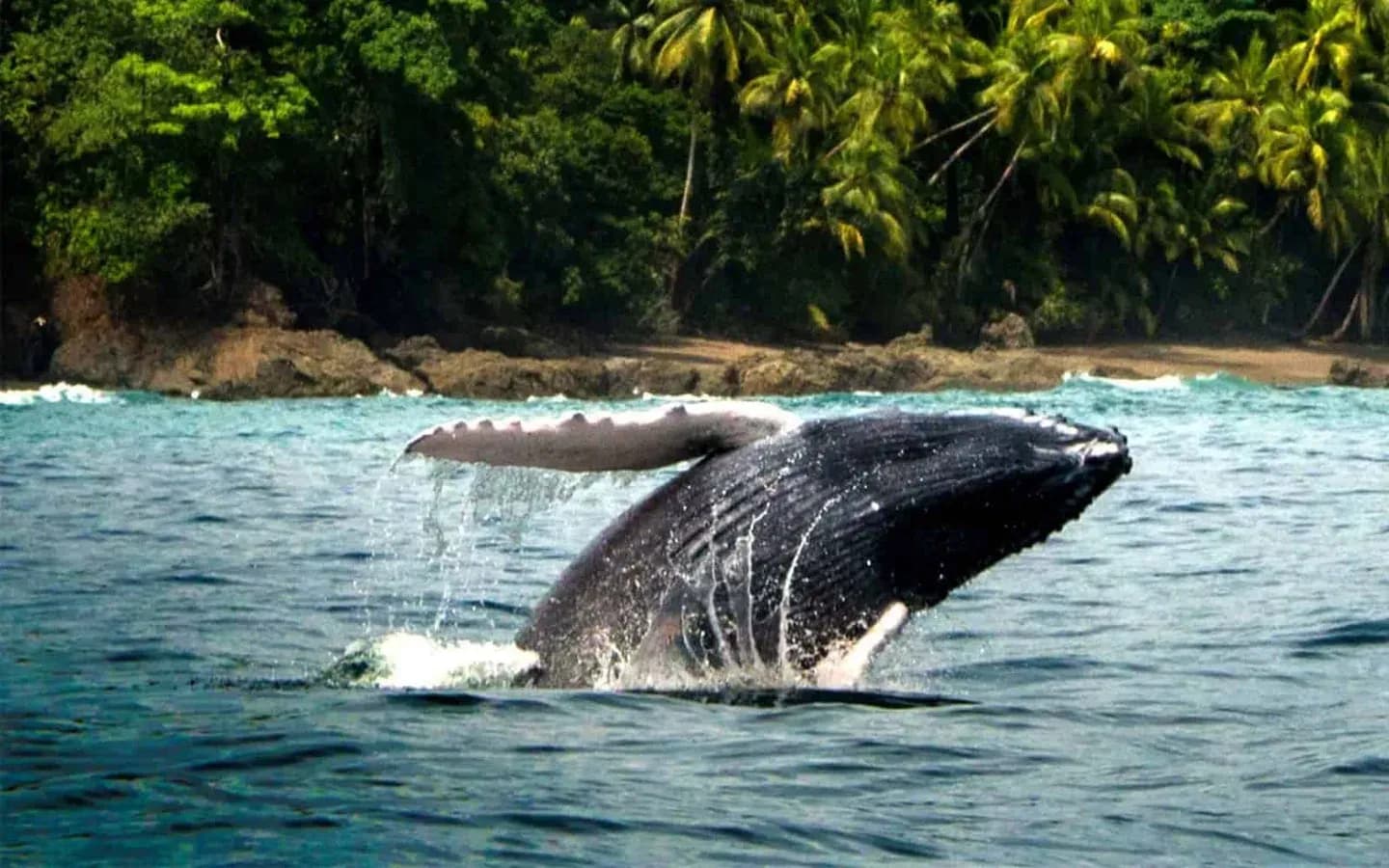
Costa Rica has one of the longest humpback whale-watching seasons in the world, because two separate populations visit. Whales from the northern hemisphere arrive roughly December to April, and the larger group from the southern hemisphere comes July to November, with August and September the peak. The action centres on the South Pacific, Marino Ballena National Park at Uvita (whose famous "Whale's Tail" sandbar is fitting), Drake Bay and the Osa Peninsula. Dolphins are present year-round on both coasts. Our Costa Rica wildlife holiday is built around the marine season.
Sea turtles
Four species nest in Costa Rica, at different times and places:
Green turtles at Tortuguero on the Caribbean coast nest from July to October, peaking in August and September, the country's headline turtle event.
Olive ridleys stage arribadas (mass synchronised nestings of thousands of turtles) at Ostional on the Nicoya Peninsula, mainly July to December and usually timed to the last-quarter moon.
Leatherbacks, the giants, nest on Pacific beaches such as Playa Grande and on the Caribbean side roughly March to June.
Hawksbills appear in smaller numbers, mostly on the Caribbean coast.
Turtle watching is always done at night with licensed guides and strict rules, which we arrange.
Resplendent quetzals and birds
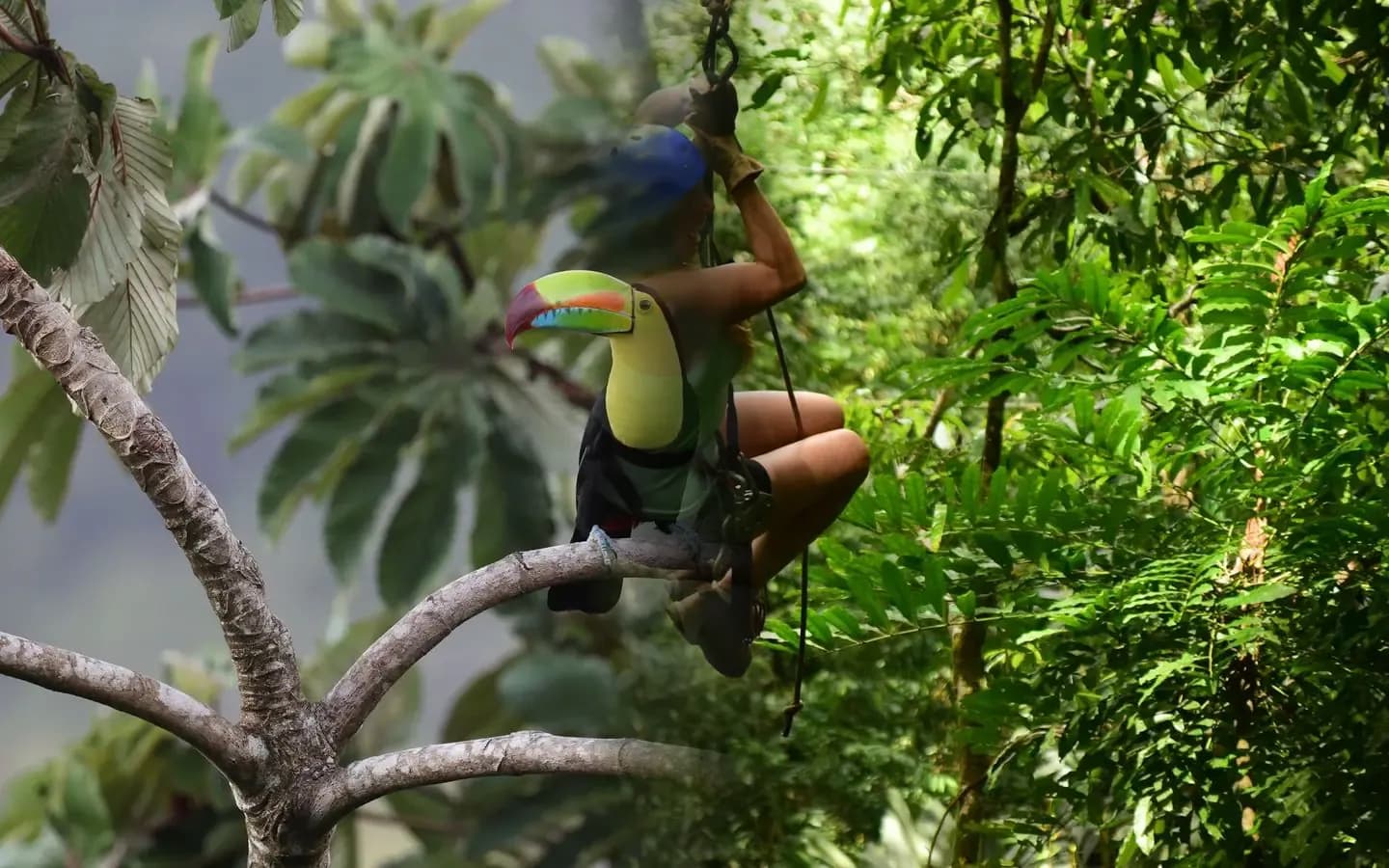
The resplendent quetzal, arguably Central America's most beautiful bird, is most reliably seen during its breeding season, February to May, when males grow their long tail streamers and feed openly on wild avocado in the cloud forests of Monteverde, San Gerardo de Dota and Los Quetzales National Park. More broadly, Costa Rica has over 900 bird species; North American migrants swell the numbers from roughly September to April, while resident toucans, motmots and scarlet macaws are around all year.
Year-round residents
You don't need to time a trip to see most of Costa Rica's famous animals. Two- and three-toed sloths, four species of monkey (howler, capuchin, spider and squirrel), toucans, scarlet macaws, coatis and countless frogs and lizards are present all year, especially in Manuel Antonio, the Osa Peninsula, Tortuguero and the cloud forests. For where to base yourself, see our guide to the best places to visit in Costa Rica and the classic volcanoes and cloud forests route.
Planning around the wildlife
The trick is to pick one or two events you really want and build the trip around them, then fill in with the year-round wildlife and scenery. Whale-and-turtle travellers do best in the green season; quetzal-seekers in spring; everyone else can come whenever suits. For the weather side of the decision, see the best time to visit Costa Rica.
Want to see it all with a private guide? Our Costa Rica Coast to Coast tour is built around the wildlife, and first-timers should read whether Costa Rica is safe.
Tell us what you most want to see and we'll match the season and the places, with naturalist guides who know exactly where to look.
Frequently Asked Questions
Costa Rica has two humpback whale seasons because two populations visit. Northern-hemisphere whales are present roughly December to April, and the larger southern-hemisphere group comes July to November, with August and September the peak. Both centre on the South Pacific around Marino Ballena National Park at Uvita, Drake Bay and the Osa Peninsula. Between them, that gives one of the longest whale-watching seasons on earth.
Time Your Trip Around the Wildlife
Tell us what you most want to see, whales, nesting turtles, quetzals, and we'll build a Costa Rica trip around the right season and the right places. ATOL 10898 protected, with naturalist guides throughout.
MORE FROM TRAVELFAB
Holidays you might like
DESTINATIONS
Explore these places
KEEP READING
More stories
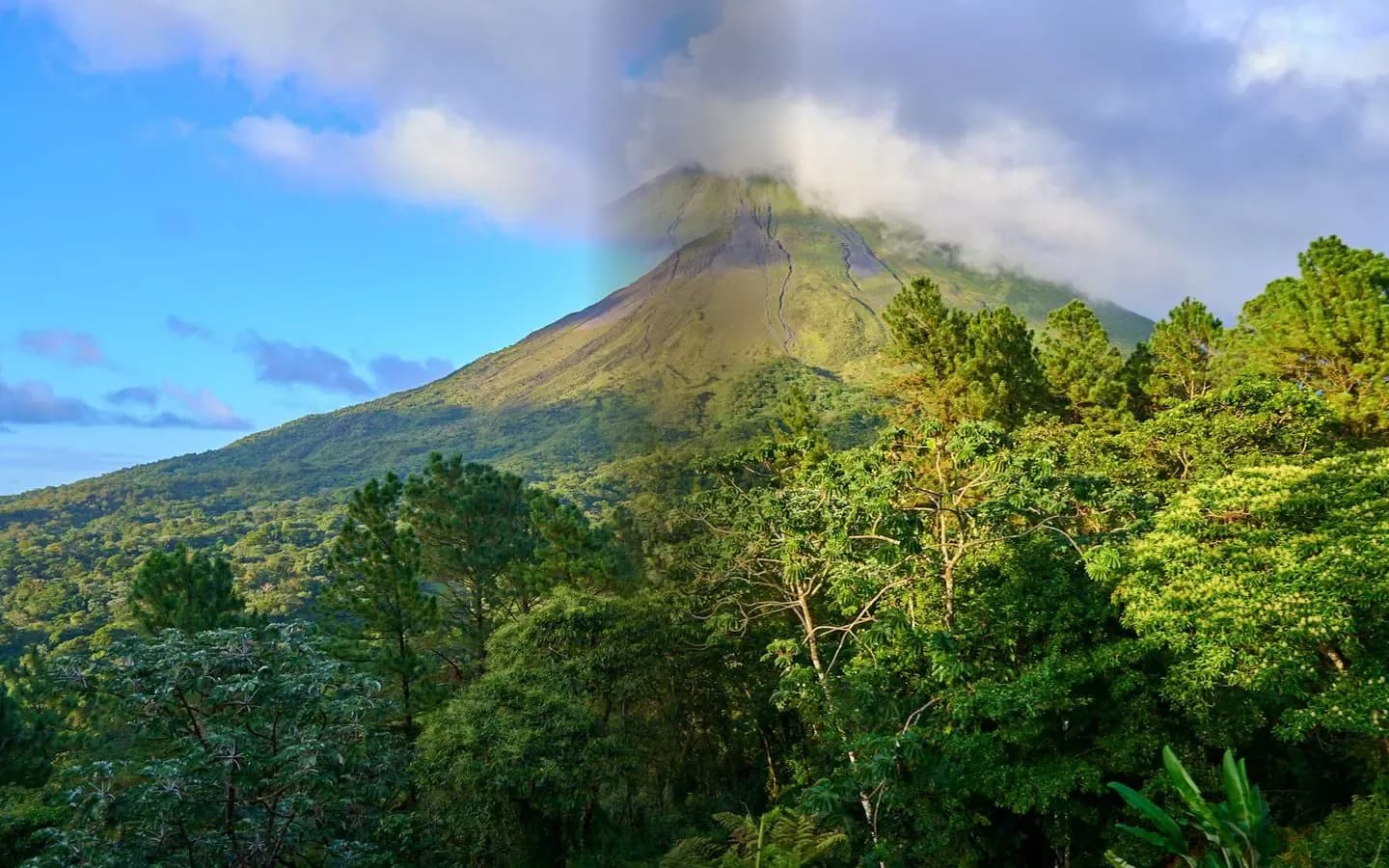
Costa Rica Volcanoes and Cloud Forests: How to Plan the Classic Trip
Plan a Costa Rica volcanoes and cloud forests holiday, Arenal, Monteverde and beyond, how to combine them, and when to go.
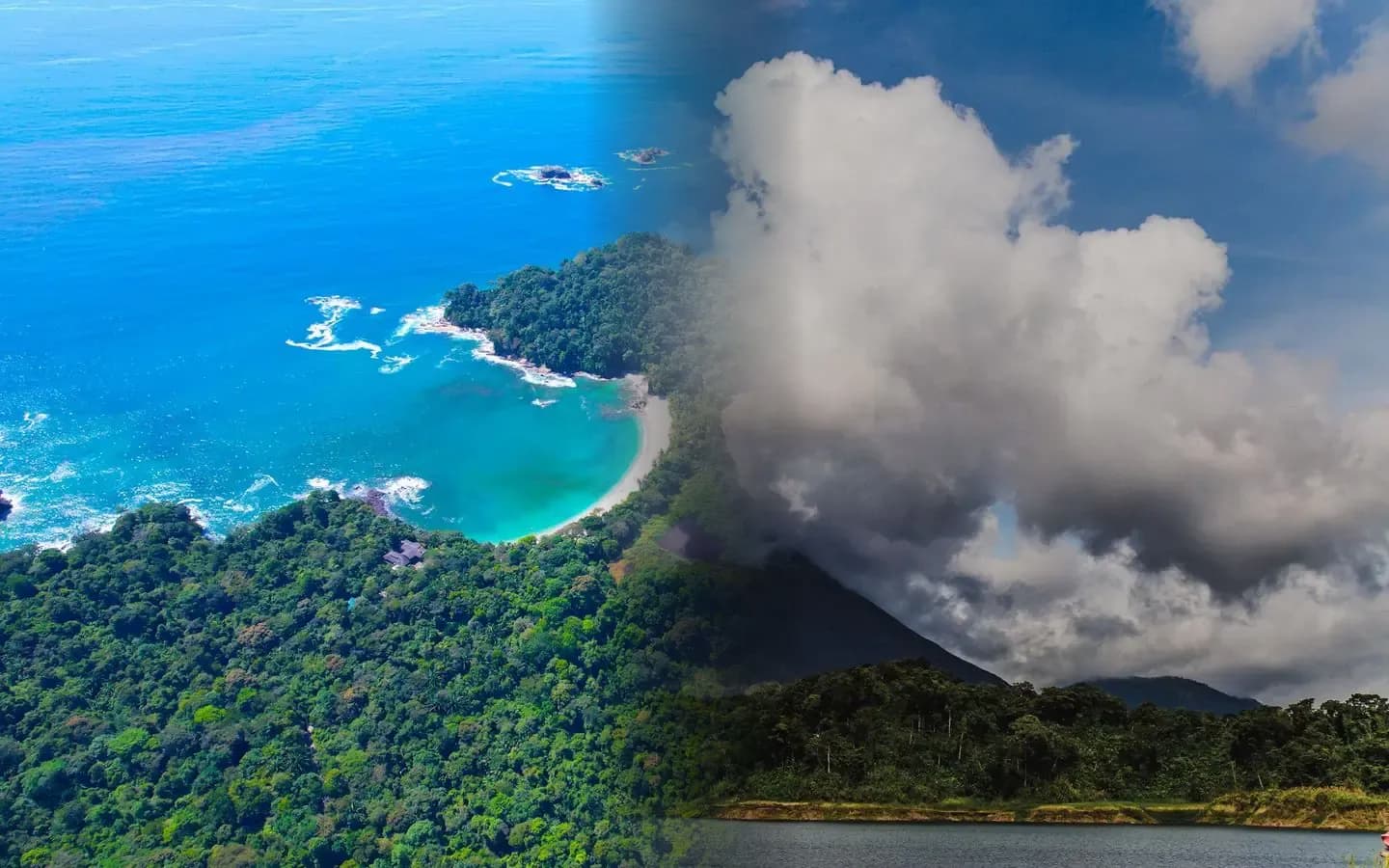
The Best Places to Visit in Costa Rica: A UK Traveller's Guide
The best places to visit in Costa Rica, volcanoes, cloud forest, wildlife parks and Pacific beaches, plus how to combine them.
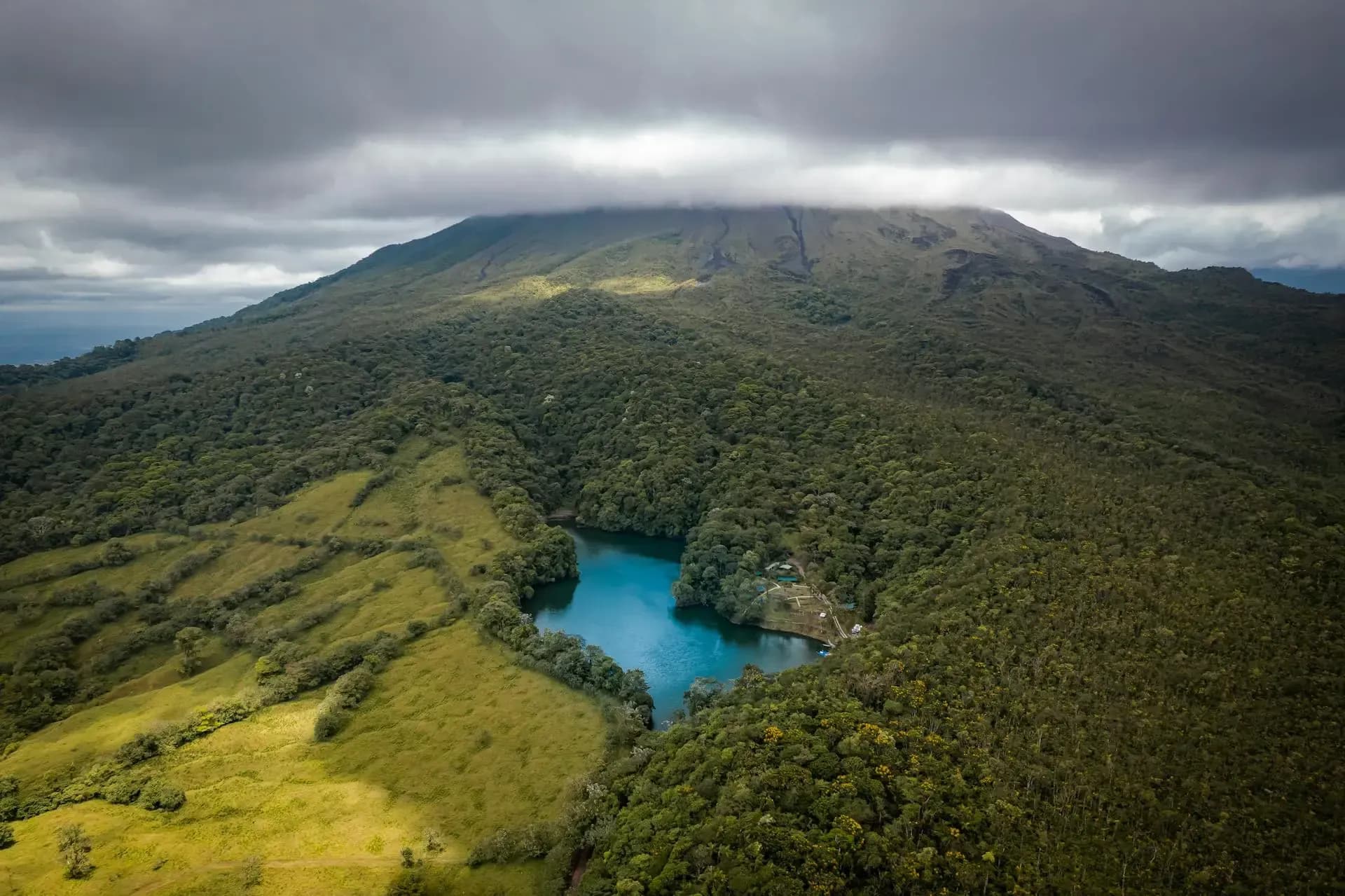
Best Time to Visit Costa Rica: Weather, Wildlife & Where to Go
A Costa Rica specialist's month-by-month guide, weather, wildlife seasons and the surprising best time to go. Plan your trip with Travelfab.